Content Menu
● What Is Lidocaine Hydrochloride?
● The Chemical and Physical Differences
● Advantages of Understanding Both Forms for OEM Manufacturing
● Frequently Asked Questions (FAQs)
>> 1. What is the main difference between Lidocaine and Lidocaine Hydrochloride?
>> 2. Which form acts faster during anesthesia?
>> 3. Can Lidocaine free base be used for injections?
>> 4. Are side effects different between the two forms of lidocaine?
>> 5. How can I source high-quality Lidocaine products for international markets?
Lidocaine and Lidocaine Hydrochloride (Lidocaine HCL) are vital compounds extensively used in the fields of biotechnology, pharmaceuticals, and medical devices for their anesthetic and therapeutic properties. Both forms are essential in providing local anesthesia and managing cardiac arrhythmias. Although the terms are often used interchangeably, each has distinct chemical properties, mechanisms of action, and clinical applications. This article thoroughly explains these differences and their practical implications to help overseas brands, wholesalers, and manufacturers make informed decisions about OEM sourcing and formulation development.
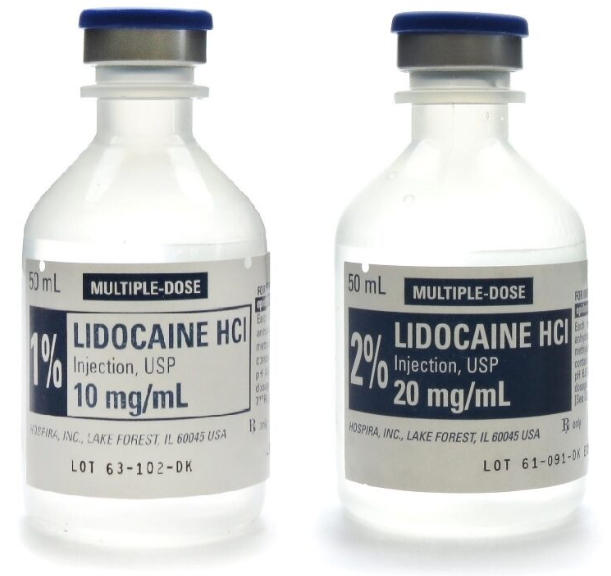
Lidocaine is a member of the amino amide class of local anesthetics discovered by Swedish chemists Nils Löfgren and Bengt Lundqvist in 1942. It functions by blocking nerve signal transmission, thereby numbing a targeted area to relieve pain temporarily.
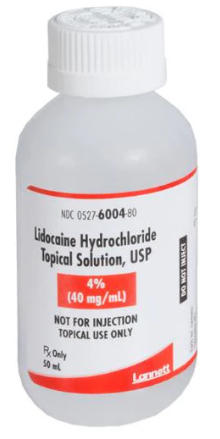
In its pure form, lidocaine exists as a free base, which is not soluble in water but dissolves well in oils and alcohols. This form is typically oily and used topically on the skin for preemptive anesthesia before minor procedures.
Lidocaine Hydrochloride is the hydrochloride salt form of lidocaine. The addition of hydrochloride makes the compound water soluble, facilitating its use in injections, sprays, gels, and aqueous topical formulations. Lidocaine HCL commonly appears as a white crystalline powder and is the preferred form for injectable anesthetics due to its rapid onset and ease of administration.
The key chemical distinction is that lidocaine free base is non-ionized and oil-soluble, whereas lidocaine hydrochloride is ionized and water-soluble. This difference results in distinct pharmacokinetics and solubility profiles:
- Molecular Weight: Lidocaine free base (234.34 g/mol) vs. Lidocaine HCL (288.82 g/mol with water of hydration).
- Solubility: Lidocaine free base is insoluble in water but lipid-soluble; lidocaine HCL is highly water-soluble.
- pH: Aqueous solutions of lidocaine HCL are acidic (pH 4–5), while lidocaine free base solutions generally have a neutral to alkaline pH (>7).
Because of these properties, lidocaine free base penetrates fatty tissues more effectively, making it suitable for topical skin applications. In contrast, lidocaine HCL's water solubility suits injections and mucosal applications where fast systemic absorption is needed.
Both lidocaine free base and lidocaine HCL target voltage-gated sodium channels on nerve cell membranes, preventing sodium influx. This inhibition blocks the generation and conduction of action potentials, which are signals for pain perception in nerves.
Lidocaine HCL, being ionized in aqueous solutions, preferentially blocks sodium channels in their activated state—a feature called state-dependent blockade. This allows for quicker and more effective anesthetic action in nerves already firing due to pain or injury.
Lidocaine free base, being nonionized, diffuses through nerve membranes more effectively, making it ideal for anesthetic use before a painful procedure. It easily penetrates intact skin to numb superficial layers.
- Lidocaine Hydrochloride:
- Injectable solutions for local anesthesia in minor surgeries, dental work, and regional nerve blocks.
- Topical gels, creams, nasal sprays, and oral rinses.
- Intravenous use as an antiarrhythmic drug to treat ventricular arrhythmias.
- Lidocaine Free Base:
- Topical anesthetic creams, ointments, and sprays applied to intact skin.
- Lip balms and other anhydrous formulations.
- Preparations needing enhanced skin penetration prior to procedures.
The choice of lidocaine form depends on the formulation vehicle and intended use:
- Aqueous formulations (<pH7) use lidocaine HCL for solubility and stability.
- Anhydrous vehicles or oils for topical application use lidocaine free base for better skin penetration.
- Concentrations vary depending on route, such as 0.5–5% for lidocaine HCL gels and 1–23% for topical lidocaine free base products.
Advanced compounding techniques, such as buffer adjustment and occlusive dressing, optimize anesthetic effects by modulating drug delivery and absorption.
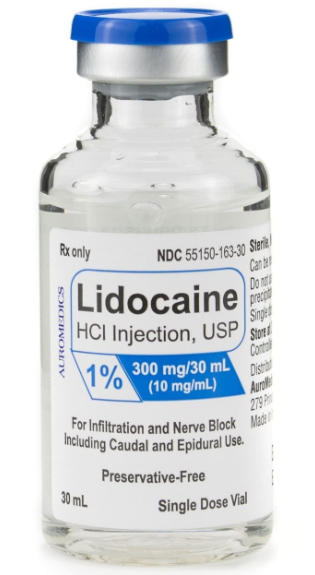
Overdose of either form can lead to systemic toxicity affecting the central nervous and cardiovascular systems. Symptoms include dizziness, tinnitus, numbness, seizures, hypotension, and arrhythmias.
- Maximum safe dosage depends on administration route; intravenously, up to 300 mg of lidocaine HCL is recommended.
- Buffered lidocaine solutions (adjusted to neutral pH) reduce injection pain and improve patient comfort.
- Both forms require careful dosing and monitoring, especially in vulnerable populations.
For international brands and manufacturers sourcing lidocaine products, knowing these chemical and clinical differences is essential:
- Ensures product formulations meet regulatory and efficacy standards.
- Guides packaging, labeling, and handling for export markets.
- Enables tailored product development for different patient needs and treatment modalities.
Our factory specializes in providing high-quality OEM services for both lidocaine free base and hydrochloride formulations, supporting overseas wholesalers, brand owners, and pharmaceutical manufacturers with strict quality assurance, GMP compliance, and technical support.
Lidocaine and Lidocaine Hydrochloride are chemically related but pharmacologically distinct. Lidocaine hydrochloride's water solubility makes it ideal for injections and aqueous applications, providing rapid onset to relieve existing pain. Lidocaine free base is lipid-soluble and preferred for topical skin anesthesia before painful stimuli.
Choosing the correct form influences clinical outcomes and product performance. With expert manufacturing and quality control, our Chinese factory is your trusted partner to supply premium lidocaine and lidocaine HCL products for global medical and pharmaceutical markets.
Contact us today to discuss your lidocaine formulation and OEM production needs, and how we can help bring your product to the international stage with excellence and reliability.
Lidocaine is the oil-soluble free base form, while Lidocaine Hydrochloride is the water-soluble salt form. This difference affects solubility, clinical application, and speed of onset.
Lidocaine Hydrochloride works faster on nerves in an activated state due to better ionic binding and water solubility, making it effective for immediate pain relief.
No, lidocaine free base is not water-soluble and not suitable for injectable formulations, which require the hydrochloride salt form for safe delivery.
Side effects can be similar but lidocaine HCL's acidic nature may cause more local irritation. Systemic toxicity symptoms are consistent for both with overdose.
Partnering with experienced OEM manufacturers specializing in pharmaceutical-grade lidocaine products ensures quality, compliance, and tailored solutions for export markets.
[1](https://www.pccarx.com/Blog/lidocaine-vs-lidocaine-hci3)
[2](https://pubmed.ncbi.nlm.nih.gov/28538371/)
[3](https://pubmed.ncbi.nlm.nih.gov/12208437/)
[4](https://www.longdom.org/open-access-pdfs/comparative-study-of-10-lidocaine-hydrochloride-solution-with-lidocaineprocaine-emulsion-prior-to-local-anesthetic-injec.pdf)
[5](https://www.sciencedirect.com/science/article/pii/S2405844024115642)
[6](https://www.nbinno.com/article/active-pharmaceutical-ingredients-apis/lidocaine-base-vs-lidocaine-hcl-navigating-uses-anesthesia-beyond-wy)
Hot tags: Lidocaine HCL Benefits, Lidocaine HCL Side Effects, Lidocaine HCL Dosage, Lidocaine HCL Uses, Lidocaine HCL Injection, Lidocaine HCL vs Lidocaine, Lidocaine HCL for Pain, Lidocaine HCL Topical, Lidocaine HCL Safety, Lidocaine HCL Information