Content Menu
● Chemical and Mechanistic Differences
● Cost and Market Availability
● OEM and Manufacturing Insights
● Frequently Asked Questions (FAQs)
>> 1. What is the main chemical difference between Pramoxine HCL and Lidocaine?
>> 2. Can Pramoxine HCL replace Lidocaine in all topical anesthetic uses?
>> 3. What are common side effects of Pramoxine and Lidocaine?
>> 4. Are there any precautions when using these anesthetics with other medications?
>> 5. How can OEM customization be tailored for these anesthetics?
In the biotechnology, pharmaceutical, and medical device industries, understanding the distinctions between topical anesthetics like Pramoxine HCL and Lidocaine is crucial for developing effective products and providing optimized OEM services. Both Pramoxine HCL and Lidocaine serve as topical local anesthetics designed to relieve pain, itching, and discomfort from minor skin and mucous membrane conditions. However, they differ fundamentally in chemical composition, mechanisms of action, potency, applications, safety profiles, and patient tolerability.
This article provides an in-depth exploration of Pramoxine HCL and Lidocaine, detailing their differences and similarities to assist brands, wholesalers, and healthcare providers in selecting the most appropriate anesthetic for diverse needs. It also highlights opportunities for customization and manufacturing partnerships for international markets.
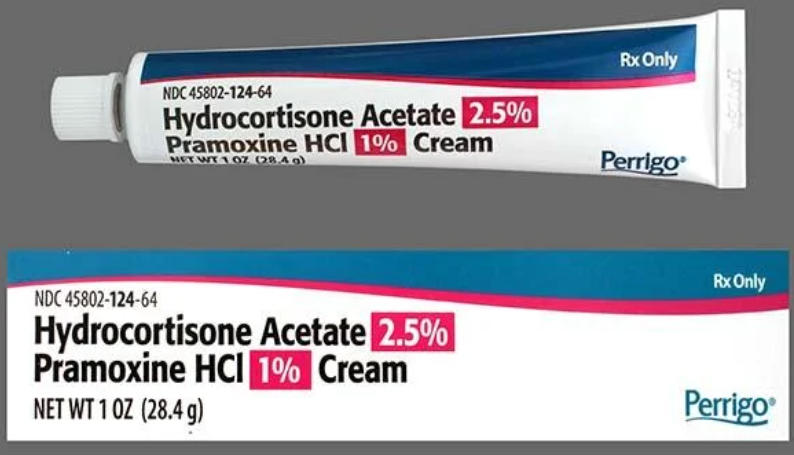
Pramoxine hydrochloride (Pramoxine HCL) is a topical anesthetic first introduced in the 1950s. It belongs to a unique chemical class distinct from the more common amide and ester local anesthetics. Pramoxine works by stabilizing neuronal membranes, decreasing sodium ion permeability, and thus preventing depolarization and nerve impulse transmission. This results in local numbness and relief from pain or itching.
Pramoxine is commonly formulated in creams, ointments, gels, and other topical products to relieve symptoms from:
- Minor burns and sunburns
- Minor skin irritations such as insect bites and rashes
- Hemorrhoids and associated anal irritation
- Itching caused by dermatologic conditions
Its chemical uniqueness makes it less likely to cause cross-sensitivity or allergic reactions compared to amide anesthetics like Lidocaine.
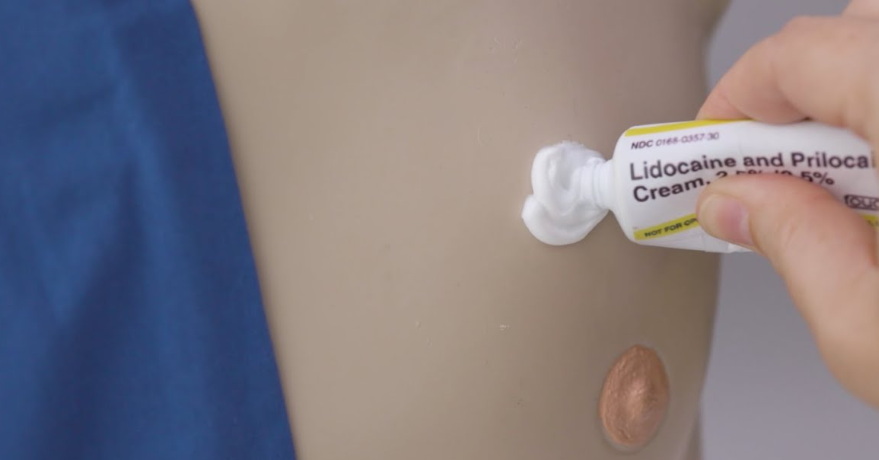
Lidocaine is a well-established, amide-type local anesthetic invented in 1948 and widely used in clinical and topical applications. It blocks sodium ion channels on nerve cell membranes, thereby preventing the initiation and propagation of nerve impulses. Lidocaine is generally more potent with a quicker onset and a longer duration of anesthetic effect compared to Pramoxine.
Lidocaine has broad uses beyond topical pain relief. It is used in minor surgical procedures, dental anesthesia, cardiac arrhythmia management, and for relief of pain and irritation from:
- Burns and sunburns
- Minor cuts and abrasions
- Insect bites and stings
- Hemorrhoids and anal discomfort
Chemically, Pramoxine contains an ether linkage which differentiates it from Lidocaine's amide structure. This difference is significant for allergy considerations as patients sensitive to amide anesthetics often tolerate Pramoxine well.
Mechanistically:
- Pramoxine stabilizes neuronal membranes, reducing sodium ion permeability.
- Lidocaine blocks sodium channels and to some extent potassium channels, providing a stronger anesthetic effect.
Despite a similar goal of numbing nerves, their molecular distinctions result in different potency, onset times, and patient safety profiles.
| Feature | Pramoxine HCL | Lidocaine |
|---|---|---|
| Onset of action | Moderate, several minutes | Rapid, within 1-2 minutes |
| Duration of anesthesia | Moderate | Longer-lasting |
| Potency | Effective for mild to moderate symptoms | Strong and highly effective |
| Common indications | Minor burns, insect bites, hemorrhoids, itching | Surgical anesthesia, minor injuries, nerve pain |
| Allergy considerations | Less cross-reactivity with other anesthetics | Potential cross-sensitivity with amides |
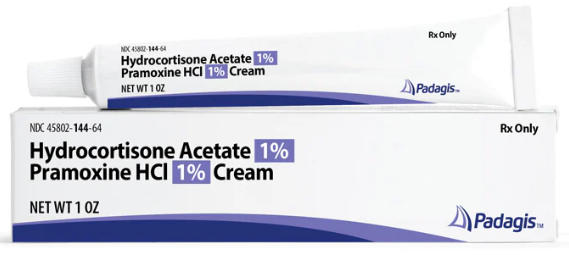
Both anesthetics are effective for topical use to relieve localized pain and itching. Lidocaine tends to provide faster and stronger relief, making it ideal for procedures requiring intense numbing or deeper tissues. Pramoxine is preferred for patients with sensitive skin or history of anesthetic allergies due to its lower risk of hypersensitivity reactions.
Side effects are generally mild for both drugs but can include local irritation, redness, or rash. Serious adverse effects like systemic toxicity are rare when used as directed but more common with Lidocaine if overused.
Lidocaine products generally dominate the market with multiple formulations including creams, patches, and sprays, often priced between $20 to $40 per tube or patch. Pramoxine, available as generics or under various brands, typically costs $10 to $30 per tube. These price variations can influence purchasing decisions depending on target markets and consumer affordability.
For OEM manufacturers and international brands, choosing between these two anesthetics requires consideration of:
- Target patient demographic and sensitivity profiles
- Desired onset speed and duration of anesthesia
- Compatibility with other formulation ingredients (e.g., corticosteroids)
- Regulatory compliance for markets served
- Cost, availability, and supply chain reliability
Custom formulations can be developed to meet specific concentration requirements and packaging preferences. Our Chinese factory specializes in producing reliable, quality-controlled Pramoxine HCL and Lidocaine topical products for global clients, ensuring scalable production and timely delivery.
Pramoxine HCL and Lidocaine are not the same substances but share a common purpose as topical anesthetics. Pramoxine's mild potency and allergy-friendly profile suit patients with sensitive skin or minor symptoms. Lidocaine's faster onset and greater strength make it ideal for intense pain relief and procedural anesthesia. Selecting the right anesthetic depends on clinical indication, patient needs, and market demands.
For brands and wholesalers seeking trusted OEM partners in biotechnology, pharmaceuticals, or medical devices, we offer expert manufacturing of both Pramoxine HCL and Lidocaine topical products tailored to your specifications. Contact us today to explore how we can support your business growth with secure, flexible supply solutions.
Pramoxine contains an ether group in its molecular structure, while Lidocaine is an amide-type anesthetic. This affects allergy potential and pharmacological properties.
No, Pramoxine is generally milder with slower onset and shorter duration. Lidocaine is preferred for stronger, faster anesthesia especially in procedures.
Both can cause localized skin irritation or allergic reactions. Serious systemic side effects are rare when used as directed.
Yes, consult healthcare professionals as interactions can occur, especially with drugs affecting blood disorders or other anesthetics.
OEM production can adjust concentration, formulation type, packaging, and regulatory compliance to meet specific brand and market needs.
[1](https://www.withpower.com/guides/pramoxine-vs-lidocaine-5a2f)
[2](https://www.goodrx.com/compare/pramoxine-vs-lidocaine)
[3](https://www.goodrx.com/compare/pramoxine-hcl-vs-lidocaine)
[4](https://go.drugbank.com/drugs/DB09345)
[5](https://www.sciencedirect.com/science/article/abs/pii/S173411401830207X)
[6](https://www.bayviewrx.com/formulas/Hydrocortisone-2-5-Lidocaine-2-Pramoxine-HCL-2-Rectal-Cream-Hemorrhoids-Anal-Fissures-Pruritus-Ani-Proctitis-Rectal-Inflammation)
[7](https://pmc.ncbi.nlm.nih.gov/articles/PMC7083119/)
[8](https://e-century.us/files/ijcem/11/3/ijcem0056142.pdf)
[9](https://www.canada.ca/en/health-canada/services/drugs-health-products/drug-products/applications-submissions/guidance-documents/nonprescription-drugs-labelling-standards/topical-anaesthetic-analgesic-antipruritic-labelling-standard.html)
Hot tags: Pramoxine HCL, Lidocaine Comparison, Topical Anesthetics, Pain Relief Creams, Local Anesthetics, Pramoxine Uses, Lidocaine Uses, Skin Numbing Agents, Anesthetic Efficacy, Over-the-Counter Anesthetics