Content Menu
● Understanding Scheduled Drugs
● Is Procaine a Scheduled Drug?
● Regulatory and Pharmaceutical Considerations
● International Trade and HS Classification
● OEM Services for Procaine and Pharmaceutical Products
● Frequently Asked Questions (FAQ)
>> 1. Is Procaine considered a narcotic or addictive drug?
>> 2. What are the regulatory requirements for manufacturing Procaine?
>> 3. Can Procaine be freely imported and exported internationally?
>> 4. Are there any health risks associated with Procaine?
>> 5. How can OEM manufacturers ensure the quality of Procaine products?
Procaine, also known by its trade name Novocain, is a synthetic local anesthetic that belongs to the ester group of local anesthetics. It has been widely used in medical and dental procedures to numb tissue in specific areas, helping to reduce pain during minor surgeries and dental work. Despite its common use, many may wonder about its legal status and whether Procaine is classified as a scheduled drug under drug control laws worldwide.
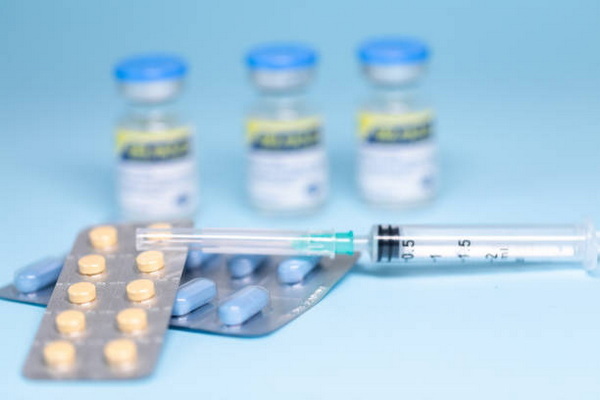
Scheduled drugs are substances regulated by government authorities based on their potential for abuse, medical utility, and safety concerns. These drugs are categorized into schedules or classes that determine how their manufacture, distribution, and use are controlled. Typically, scheduled drugs include narcotics, stimulants, depressants, and other substances with abuse potential or significant health risks. The classification ensures safe handling, prescription, and prevents illegal distribution.
Procaine is generally not classified as a scheduled drug under major drug control regulations such as the United States Controlled Substances Act or the Dangerous Drugs Ordinance in Hong Kong. The Drug Enforcement Administration (DEA) in the U.S. does not list Procaine as a controlled substance. This status is supported internationally, with no major regulatory body categorizing it as having abuse potential warranting scheduling.
The absence of scheduling reflects Procaine's low potential for abuse. It is used medically as a local anesthetic to block nerve impulses in targeted areas without psychoactive effects or narcotic properties. This classification enables pharmaceutical companies and healthcare providers to manufacture, distribute, and use Procaine under normal pharmaceutical regulatory frameworks without special controlled substance restrictions.
Even though Procaine is not a scheduled drug, it is regulated as a pharmaceutical ingredient. Procaine hydrochloride (Procaine HCl) is commonly used in drug formulations, with strict requirements for manufacturing quality and regulatory compliance. Compliance with Good Manufacturing Practices (GMP) and pharmacopeia standards (e.g., European Pharmacopoeia Certificate of Conformity) ensures the safety, purity, and efficacy of Procaine products.
Manufacturers supplying Procaine for medical use must meet these quality controls. For example, European manufacturers have recently restructured production processes and regulatory filings to maintain supply under stringent EU standards. The availability of fully certified Procaine HCl supplies supports ongoing medical use without interruption.
Procaine's mechanism of action involves blocking sodium channels in nerve cells to prevent pain signal transmission, making it effective and safe for local anesthesia. Unlike opioids or other painkillers, it does not induce euphoria or dependence, which contributes to its exclusion from many drug schedules.
However, users should still exercise caution. Allergic reactions, though rare, can occur. Proper medical supervision ensures appropriate dosing and minimizes adverse effects during dental or surgical procedures.
For businesses involved in international trading of Procaine, the Harmonized System (HS) code plays an important role. Procaine is classified under HS Code 2922.49 within organic chemicals. This classification facilitates customs clearance, tariff determination, and regulatory compliance at borders without the complexities of controlled substance import/export permits.
As a factory specializing in biotechnology, pharmaceuticals, and medical devices, we provide OEM manufacturing services for Procaine and other pharmaceutical ingredients. Our operations comply with international quality standards and certifications, ensuring that global brands, wholesalers, and pharmaceutical companies receive high-quality, GMP-certified products.
We support tailored solutions, from formulation to packaging, facilitating smooth entry into international markets with full regulatory support.
Procaine is not a scheduled drug under key regulatory systems worldwide, including the U.S. and Hong Kong. Its low abuse potential and medical use as a local anesthetic exempt it from controlled substance classification, although it remains strictly regulated as a pharmaceutical product. For companies seeking reliable OEM production of Procaine and related pharmaceutical substances, partnering with certified and compliant manufacturers ensures quality, safety, and regulatory alignment.
If you need trusted OEM manufacturing or want to source pharmaceutical-grade Procaine for your brand or product line, please contact us to start a partnership that prioritizes quality and compliance.
No, Procaine acts as a local anesthetic with very low potential for addiction or abuse. It does not possess narcotic or psychoactive properties.
Manufacture must comply with pharmacopeial standards, GMP guidelines, and obtain certifications such as the European Pharmacopoeia Certificate of Conformity to ensure product quality and safety.
Yes, Procaine is not a controlled substance, so import/export is governed by pharmaceutical regulations, not controlled substance laws. Proper customs classification like HS Code 2922.49 is necessary for compliance.
Procaine is generally safe but may cause allergic reactions or side effects in rare cases. Proper administration by trained medical professionals is important.
OEM quality is ensured via strict batch testing, adherence to regulatory standards, validated manufacturing processes, and sourcing from certified suppliers with relevant compliance documentation.
[1](https://www.freightamigo.com/blog/hs-code-for-procaine-2/)
[2](https://www.guidetopharmacology.org/GRAC/LigandDisplayForward?ligandId=4291)
[3](https://www.in.gov/hrc/files/Drug_Classification_Guidelines_and_Penalties.pdf)
[4](https://www.ema.europa.eu/en/medicines/veterinary/referrals/procaine-benzylpenicillin)
[5](https://www.arci.com/docs/Uniform-Classification-Guidelines-Version-17.0.pdf)
[6](https://flarer.ch/en/our-contribution-as-cep-certified-procaine-supplier/)
[7](https://www.ncbi.nlm.nih.gov/books/NBK551556/)
[8](https://en.wikipedia.org/wiki/Procaine)
[9](https://www.elegislation.gov.hk/hk/cap138A)
[10](https://www.deadiversion.usdoj.gov/schedules/orangebook/c_cs_alpha.pdf)
[11](https://www.elegislation.gov.hk/hk/cap134)
Hot tags: Procaine Drug Schedule, Is Procaine Controlled, Procaine Legal Status, Procaine Anesthetic Classification, Procaine Prescription Requirements, Procaine Side Effects, Procaine Uses in Medicine, Procaine vs Cocaine, Procaine Availability, Procaine Drug Interactions