Content Menu
>> Chemical Composition and Properties
● Is Novacaine the Same As Procaine?
>> Branding and Market Differences
>> OEM Manufacturing Relevance
● Procaine Use in Modern Medicine
>> Advantages
● Manufacturing Considerations in China's Pharmaceutical Sector
>> Customization and Packaging
● OEM Services for Procaine and Related Products
>> Benefits of OEM Cooperation
● How to Choose a Reliable Procaine OEM Manufacturer?
● Frequently Asked Questions (FAQ)
>> 1. What is the difference between Novacaine and Procaine?
>> 2. Can Procaine cause allergic reactions?
>> 3. How long does Novacaine stay effective?
>> 4. Is Procaine still widely used compared to newer anesthetics?
>> 5. What OEM services are available for Procaine products?
Understanding the nuances of local anesthetics is critical in pharmaceutical and medical device industries. Novacaine and Procaine are two terms often used interchangeably, but are they really the same? This article explores their similarities, differences, chemical properties, applications, and relevance for OEM service providers and foreign brands in biotech and medical sectors.
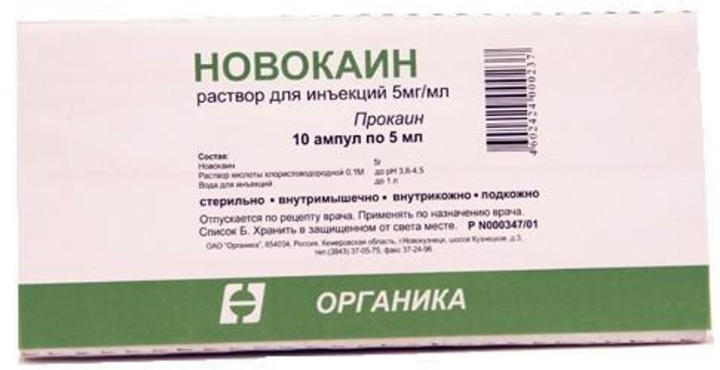
Novacaine is a brand name for Procaine, a local anesthetic widely used in medical and dental procedures to numb tissue in a specific area. It was developed in the early 20th century and is known for its quick onset and intermediate duration of action.
Procaine's chemical formula is C13H20N2O2, belonging to the ester family of local anesthetics. It blocks nerve signals by inhibiting sodium influx into nerve cells, preventing pain sensations. As an ester-type anesthetic, Procaine is metabolized by plasma esterases, which sometimes contributes to shorter duration and potential for allergic reaction compared to amide-type anesthetics.
Procaine is the generic name for Novacaine. It functions as a local anesthetic agent primarily administered through injection. It was historically the first synthetic local anesthetic developed to replace cocaine, reducing side effects and addiction risks. Its introduction revolutionized minor surgeries and dentistry by providing effective pain control with greater safety.
Procaine is chiefly used in dental anesthesia, minor surgical interventions, and as a vasoconstrictor with adrenaline in some formulations. Its numbing effect allows patients to undergo procedures without pain or discomfort. Due to its intermediate duration, it is preferred in cases where prolonged numbness is undesirable.
Although generally safe when administered correctly, Procaine can cause allergic reactions, toxicity, or systemic complications if overdosed or improperly formulated. Some patients may experience hypersensitivity reactions typical of ester anesthetics, including itching, rash, or in rare cases, anaphylaxis. Proper clinical assessment and monitoring reduce such risks.
The simple answer is yes. Novacaine is the trade name of Procaine; chemically and functionally, they are the same compound, making Novacaine a branded form of Procaine. However, depending on manufacturer formulation, additives, and packaging, slight variations may occur.
- Novacaine is a brand predominantly recognized in North America.
- Procaine is the generic term used globally.
- Pharmaceutical manufacturers often create proprietary formulations with unique excipients for shelf life, sterility, or delivery enhancement.
For companies offering OEM services in the biotech and pharmaceutical sector, understanding the equivalence between Novacaine and Procaine helps align product development, quality assurance, and regulatory compliance to meet client expectations effectively. Custom formulations can also be developed based on client-specific applications, such as combining Procaine with vasoconstrictors or stabilizers to extend shelf life.
Despite the advent of longer-lasting and more versatile anesthetics, Procaine remains relevant in many applications due to its proven safety profile and effectiveness.
- Rapid onset of anesthesia, typically within minutes after injection
- Intermediate duration reduces prolonged numbness post-procedure
- Reduced systemic toxicity compared to older anesthetics like cocaine
- Low cost and wide availability in many markets
- Allergic reactions to ester anesthetics in sensitive individuals
- Availability of newer anesthetics like Lidocaine and Bupivacaine, which offer longer-lasting and more comprehensive analgesic effects
- Limited efficacy in certain types of nerve blocks or complex surgeries
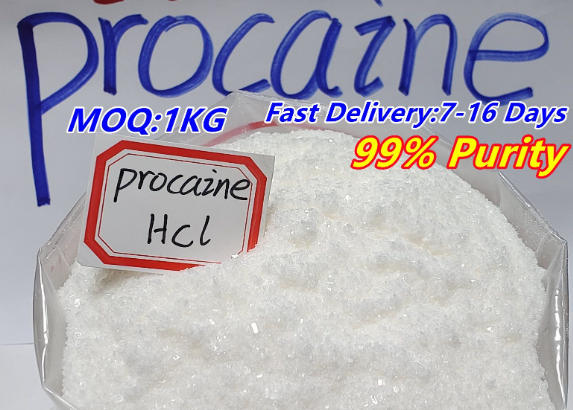
Your Chinese factory supplying Procaine-based products under OEM contracts must focus on several key areas to ensure quality and compliance with international standards.
- Purity analysis using techniques such as High Performance Liquid Chromatography (HPLC) and Mass Spectrometry ensures that Procaine meets pharmacopoeial standards.
- Sterility testing for injectable forms to prevent microbial contamination.
- Stability and shelf-life testing under various environmental conditions to ensure product integrity through distribution and storage.
For foreign markets such as the US, EU, or UK, adhering to regulations from bodies like FDA, EMA, and MHRA is critical. This includes proper documentation, batch records, and compliance with GMP (Good Manufacturing Practice).
OEM clients often require tailored packaging solutions including multi-language labeling, tamper-evident seals, and blister packs for precise dosing. Your factory's ability to offer flexible packaging while maintaining quality secures long-term partnerships.
Over 130 years after Procaine's discovery, OEM services remain a cornerstone of supplying diverse pharmaceutical markets worldwide.
- Reduced product development costs through leveraging existing formulations.
- Faster market entry using proven manufacturing capabilities.
- Ability to customize formulations, packaging, and branding to meet specific client requirements.
- Capacity to scale production while ensuring consistent quality and compliance with international standards.
- Formulation development support for proprietary blends.
- Sterile injectable manufacturing with validated production lines.
- Comprehensive quality control and release testing.
- Regulatory documentation and certification assistance.
- Supply chain management with reliable logistics and delivery.
Selecting the right OEM partner for Procaine products involves evaluating several critical factors:
- Proven experience in pharmaceutical and biotech manufacturing.
- Capability for sterile injectable production and aseptic processing.
- Strong quality assurance systems consistent with GMP guidelines.
- Regulatory expertise to support market approval in multiple regions.
- Transparent communication and flexibility in adapting to client needs.
- Competitive pricing without compromising product quality.
- Well-established supply chain and timely delivery.
Establishing a long-term, cooperative relationship with an OEM manufacturer helps foreign brands and wholesalers maintain competitive advantage in the complex pharmaceutical landscape.
Novacaine is essentially the branded form of Procaine, a widely used local anesthetic with a long history of safe and effective application in medicine and dentistry. While newer anesthetics have emerged, Procaine remains valued for its rapid onset, intermediate duration, and affordability. For foreign pharmaceutical brands and wholesalers seeking reliable OEM partners, collaborating with a Chinese manufacturer specializing in Procaine can unlock advantages in quality, compliance, and customized solutions tailored to global markets.
If you are looking to enhance your product line with high-quality Procaine-based anesthetics or explore OEM manufacturing opportunities, contact us at supplybenzocaine.co.uk. Our expertise in biotech and pharmaceutical production ensures your brand meets the highest standards with competitive pricing and timely delivery.
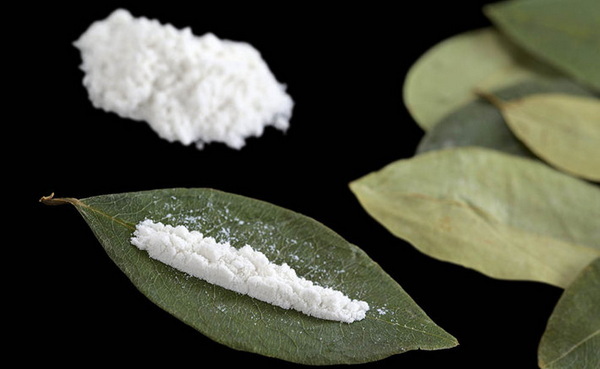
Novacaine is a brand name, while Procaine is the generic name for the same local anesthetic compound. Their chemical and functional properties are identical, making Novacaine essentially a branded form of Procaine.
Yes, some patients may experience allergic reactions, typically because Procaine is an ester-type anesthetic. Reactions range from mild skin irritation to severe anaphylaxis, though such cases are rare. Medical professionals evaluate patient history before use.
Novacaine provides intermediate duration anesthesia, usually lasting 30 to 60 minutes after injection, depending on the dosage and injection site. This duration is suitable for many dental and minor surgical procedures.
Procaine remains in use, especially in dental and minor surgeries, but newer drugs like Lidocaine and Bupivacaine with longer durations and broader application have largely replaced it in some settings.
OEM services include formulation development, sterile injectable manufacturing, packaging customization, regulatory support, quality assurance, and documentation tailored to client specifications in the pharmaceutical and biotech sectors.
Hot tags: Novocaine Vs Procaine, Procaine Uses, Novocaine Side Effects, Local Anesthetic Comparison, Procaine Mechanism of Action, Novocaine Dental Procedures, Procaine Allergic Reactions, Novocaine History, Procaine Injection Sites, Novocaine Effectiveness