Content Menu
● Understanding Lidocaine HCL and Its Use
● Breastfeeding and Lidocaine: What Does the Research Say?
● Safety Recommendations for Breastfeeding Mothers
● Clinical Evidence and Expert Opinions
● Potential Side Effects to Watch For
● How to Safely Use Lidocaine Cream While Breastfeeding
● Alternatives to Lidocaine Cream
● Summary of Clinical Findings
● Frequently Asked Questions (FAQs)
>> 1. Is it safe to use lidocaine cream on the nipple while breastfeeding?
>> 2. Can lidocaine cause allergic reactions in babies through breast milk?
>> 3. How long does lidocaine remain in breast milk?
>> 4. Can I breastfeed immediately after applying lidocaine cream?
>> 5. What are alternatives to lidocaine cream for breastfeeding mothers with minor burns?
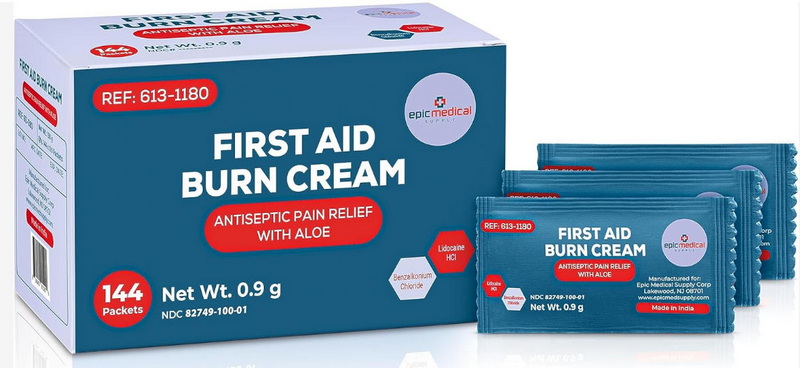
When nursing mothers experience minor burns or skin irritations, finding a safe and effective pain relief solution is very important. Topical Lidocaine HCL cream is a commonly used anesthetic for soothing minor burns. However, mothers often worry about the safety of using this medication while breastfeeding. This article explores the safety, clinical evidence, precautions, and usage guidelines for topical lidocaine cream during breastfeeding, helping mothers make informed choices.
Lidocaine HCL is a local anesthetic that works by blocking nerve signals in the skin, thereby reducing pain and discomfort. It is widely used in creams and ointments to alleviate pain from minor burns, insect bites, and other skin irritations. Applied directly to the skin, lidocaine provides targeted relief, making it a popular choice for topical burn treatment.
 Breastfeeding and Lidocaine: What Does the Research Say?
Lidocaine does pass into breast milk in very small amounts. However, these amounts are considered trace and are unlikely to affect a breastfed infant adversely. When ingested orally by the baby through breast milk, lidocaine is poorly absorbed by the infant's digestive system, further reducing risk. According to research from credible sources including the US National Library of Medicine and MotherToBaby fact sheets, breastfeeding after using topical lidocaine is generally safe. No significant adverse effects have been documented in infants from incidental exposure through breast milk.
- Avoid applying lidocaine near nipples or breast skin: This minimizes the risk of the infant coming into direct contact with the medication during nursing.
- Wash hands thoroughly after application: Helps prevent accidental transfer of cream to the infant.
- Use only as directed: Applying the cream sparingly and only on the affected area reduces systemic absorption.
- Notify your healthcare provider: If you experience any adverse reactions or if your infant shows unusual symptoms after breastfeeding.
Clinical databases such as LactMed and medical studies confirm that lidocaine topical products have minimal transfer into breast milk and negligible risk to nursing children. A review of topical anesthetics used during lactation showed that systemic absorption from topical use is very limited, and no special monitoring of infants is typically required. Furthermore, typical doses used for burn relief are much lower than those associated with systemic toxicity.
Isolated case reports of toxicity are linked to misuse, such as large-area application or occlusive dressings with high-concentration lidocaine gels, and not typical use of Lidocaine HCL creams for minor skin burns. Mothers should avoid overuse or applying under occlusion to reduce risk.
Topical lidocaine may cause minor skin reactions such as redness, itching, or rash. Allergic reactions are rare, but both mothers and infants should be monitored for any signs of hypersensitivity. Symptoms that warrant medical attention include severe rash, swelling, breathing difficulty, or unusual infant behavior such as increased drowsiness or irritability.
1. Apply only to intact skin: Do not apply on open wounds unless directed by a doctor.
2. Avoid nipple area: Prevent direct infant exposure during feeding sessions.
3. Use the minimum effective amount: Apply thinly to the affected area.
4. Maintain hygiene: Wash hands thoroughly after applying the cream.
5. Observe infant reactions: Watch for any changes in baby's behavior or health.
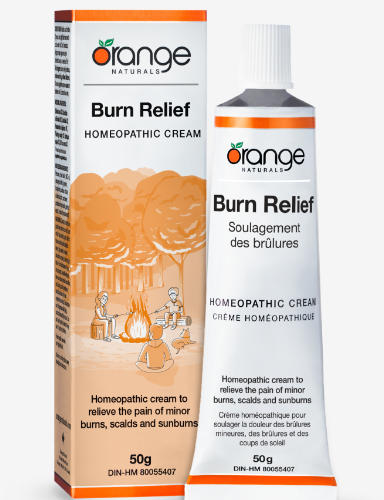
For mothers hesitant to use topical lidocaine, alternative pain relief options include cool compresses, aloe vera gels, or over-the-counter soothing ointments safe for breastfeeding. These alternatives may not provide as fast or potent relief but are generally considered safe for mother and baby. Consulting a healthcare professional can help identify the best option based on individual circumstances.
According to a comprehensive review by the Drugs and Lactation Database (LactMed) and MotherToBaby fact sheets:
- Lidocaine is detected in breast milk at very low levels.
- Oral bioavailability of lidocaine in infants is low, meaning minimal absorption.
- Breastfeeding after lidocaine use is unlikely to cause harm.
- No controlled studies show adverse outcomes from maternal use during lactation.
- Standard precautions should be observed to minimize infant exposure.
Topical Lidocaine HCL burn relief cream is considered safe for breastfeeding mothers when used appropriately. It effectively alleviates pain from minor burns with minimal risk of transferring harmful amounts to the infant. Proper application techniques—avoiding the nipple, washing hands, and using the smallest effective dose—help ensure safety for both mother and baby. If any adverse symptoms arise, it is important to seek medical advice promptly. Mothers looking for high-quality lidocaine creams with wholesale OEM services can contact our experienced Chinese biotechnology and pharmaceutical factory for reliable, customizable solutions to meet international standards. Contact us to know more!
No, it is not recommended to apply lidocaine cream directly on the nipples. This prevents the infant from ingesting the medication. If contact occurs, wash the area thoroughly before feeding.
Allergic reactions are very rare. Lidocaine passes into breast milk in very small amounts and is poorly absorbed orally by infants, making allergic reactions unlikely.
Lidocaine is quickly absorbed and metabolized, so only trace amounts are present shortly after application. Its levels in breast milk decrease rapidly over time.
Yes, provided the cream is not applied to or near the nipple area and your hands are washed well after application to avoid transfer.
Alternatives include cold compresses, aloe vera gel, and breastfeeding-safe soothing ointments. Consult a healthcare provider to select the safest option for your needs.
[1](https://www.ncbi.nlm.nih.gov/books/NBK501230/)
[2](https://www.ncbi.nlm.nih.gov/books/NBK582791/)
[3](https://www.droracle.ai/articles/391600/lidocaine-and-breastfeeding)
[4](https://www.sciencedirect.com/science/article/pii/S2352647517300059)
[5](https://www.sps.nhs.uk/articles/treating-rectal-and-anal-disorders-during-breastfeeding/)
[6](https://www.hkjpaed.org/pdf/2013;18;19-23.pdf)
[7](https://journals.sagepub.com/doi/10.1177/106002808602000913)
[8](https://www.sciencedirect.com/science/article/abs/pii/S000281772500217X)
[9](https://www.mayoclinic.org/drugs-supplements/lidocaine-topical-application-route/description/drg-20072776)
[10](https://jamanetwork.com/journals/jamadermatology/fullarticle/407139)
Hot tags: Topical Lidocaine Safety, Breastfeeding and Lidocaine, Lidocaine HCL Cream Risks, Burn Relief Cream Breastfeeding, Lidocaine Use While Nursing, Safe Pain Relief Creams, Breastfeeding Guidelines Lidocaine, Lidocaine Cream Effects on Infants, Local Anesthetics and Breastfeeding, Lidocaine HCL Cream Breastfeeding Safety