Content Menu
● Is Procaine a Biologic Drug?
>> Definition of Biologic Drugs
>> Chemical and Regulatory Classification of Procaine
● Pharmacology and Mechanism of Action
● Metabolism and Pharmacokinetics
● Importance of Proper Classification in Biotechnology and Pharmaceutical Industry
● FAQ
>> 1. What makes a drug biologic versus a small molecule?
>> 2. How specifically does procaine block nerve signals?
>> 3. Is procaine still used in clinical practice?
>> 4. How is procaine metabolized in the body?
>> 5. Can procaine cause allergic reactions?
Procaine, also known under the trade name Novocain, is a widely recognized local anesthetic used primarily in dentistry and minor surgeries to numb targeted areas. This article delves into the nature, pharmacology, and mechanism of procaine as well as clarifies whether it qualifies as a biologic drug. Understanding this distinction is crucial for biotechnological, pharmaceutical, and medical device manufacturers, particularly those engaged in providing OEM services to international clients.
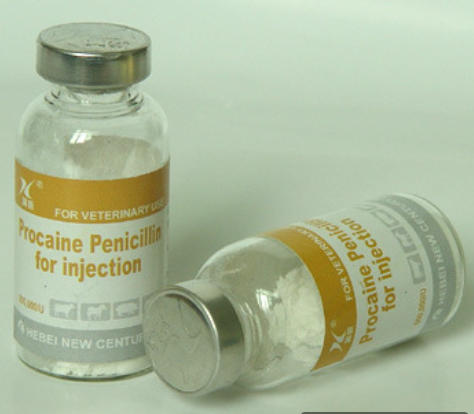
Procaine is a synthetic local anesthetic belonging to the ester class of anesthetics. It was developed in the early 1900s and quickly became popular for its effectiveness in blocking transmission of nerve impulses to prevent pain. Its chemical makeup includes an aromatic ring linked to an amine group via an ester bond, influencing both its pharmacological action and metabolism in the human body.
Biologic drugs are typically large, complex molecules derived from living organisms such as bacteria, yeast, or mammalian cells. They encompass a vast range of products like vaccines, monoclonal antibodies, recombinant proteins, and gene therapies. Production involves biotechnological processes such as cell culture, recombinant DNA technology, or extraction from natural sources.
Procaine is a chemically synthesized small molecule with a relatively simple structure. It is produced through chemical synthesis rather than biological processes involving living organisms or cells. Therefore, procaine is classified as a small-molecule drug by regulatory authorities worldwide, not as a biologic. This distinction leads to differences in drug development, manufacturing, and regulatory approval pathways.
In summary, procaine is not a biologic drug, but a synthetic small-molecule local anesthetic.
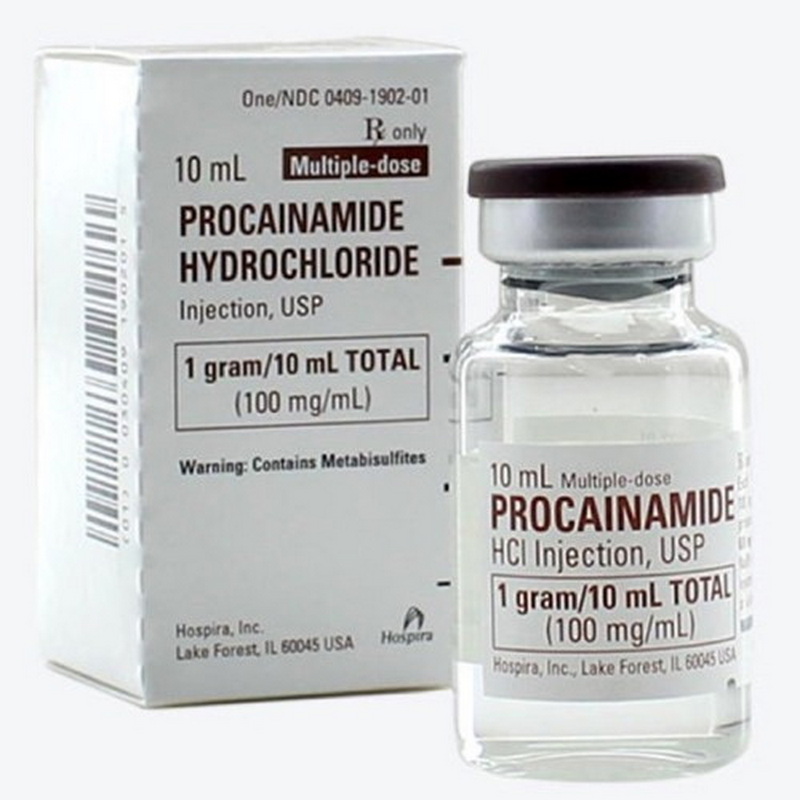
Procaine exerts its anesthetic effect by blocking voltage-gated sodium channels on peripheral nerve membranes. By inhibiting sodium influx, procaine prevents the generation and transmission of action potentials, which stops pain signals from propagating to the brain.
- The drug binds intracellularly to the sodium channel receptor, primarily at the cytoplasmic side.
- It shows a frequency-dependent blockade, meaning it more effectively blocks nerves that are frequently stimulated.
- Besides sodium channels, procaine can also influence NMDA receptors, nicotinic acetylcholine receptors, and serotonin receptor-ion channel complexes.
The potency and duration of procaine's action relate to its lipid solubility and pKa, which affect how well it crosses nerve membranes.
Procaine is rapidly metabolized in the bloodstream via hydrolysis by plasma esterases to para-aminobenzoic acid (PABA), a metabolite excreted mainly by the kidneys. Its half-life in plasma is approximately 7.7 minutes, which limits systemic toxicity. This fast metabolism contributes to procaine's short duration of action and relatively low systemic effects.
Although largely replaced by newer anesthetics such as lidocaine due to its better stability and spectrum of effects, procaine remains useful in:
- Local infiltration anesthesia
- Peripheral nerve blocks
- Spinal anesthesia in minor surgical or diagnostic procedures
Its use is also investigated in certain experimental treatments, including as an entry inhibitor in HIV therapy trials.
Procaine is generally safe when used appropriately but can cause adverse effects including allergic reactions, primarily due to its ester structure and PABA metabolite. Toxicity symptoms may occur if administered in excess, demanding careful dosing and clinical supervision.
For companies engaged in the research, production, and OEM supply of pharmaceutical and medical products like procaine, proper drug classification impacts regulatory compliance and manufacturing standards. Recognizing procaine as a small-molecule synthetic drug rather than a biologic affects documentation, quality control protocols, and market approval pathways. This clarity aids in better product positioning and smoother global market entry.
Procaine is a synthetic, small-molecule local anesthetic and is distinct from biologic drugs, which are derived from living organisms and produced using biotechnological methods. Its classification influences the development and regulatory processes vital for pharmaceutical and biotechnology manufacturers and suppliers. Companies supplying procaine and related products through OEM services should leverage this fundamental understanding to optimize production, compliance, and market deployment.
Interested in sourcing high-quality anesthetics or customized pharmaceutical OEM solutions? Contact us for expert service tailored to your business needs. Our robust manufacturing capabilities and stringent quality control ensure dependable production for your brand.
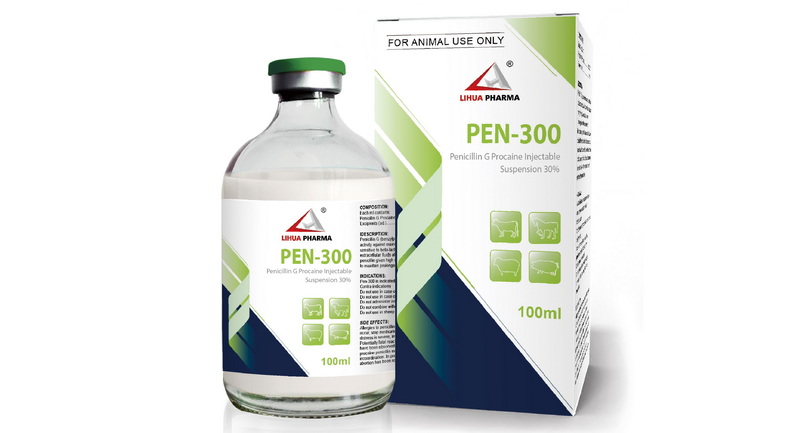
Biologics are large, complex molecules derived from living cells, while small molecules such as procaine are chemically synthesized with simpler structures.
Procaine inhibits voltage-gated sodium channels on nerve membranes, blocking sodium influx and preventing nerve impulses responsible for pain transmission.
Yes, though replaced by newer anesthetics in many cases, it remains in use for specific local and regional anesthesia applications.
It is rapidly hydrolyzed by plasma esterases into para-aminobenzoic acid (PABA) which is eliminated via the kidneys.
Yes, rare allergic reactions can occur, mostly related to its metabolite PABA; monitoring during administration is important.
[1](https://go.drugbank.com/drugs/DB00721)
[2](https://www.ncbi.nlm.nih.gov/books/NBK551556/)
[3](https://en.wikipedia.org/wiki/Procaine)
[4](https://pubchem.ncbi.nlm.nih.gov/compound/Procaine)
[5](https://www.webmd.com/vitamins/ai/ingredientmono-391/procaine)
[6](https://www.hmdb.ca/metabolites/HMDB0014859)
[7](https://www.sciencedirect.com/topics/pharmacology-toxicology-and-pharmaceutical-science/procaine)
[8](https://www.mims.com/singapore/drug/info/procaine?mtype=generic)
[9](https://go.drugbank.com/salts/DBSALT000551)
Hot tags: Procaine Uses, Procaine Biologic Classification, Is Procaine a Biologic, Procaine Drug Information, Procaine Mechanism of Action, Procaine Side Effects, Procaine vs Biologics, Procaine Injection Uses, Procaine in Medicine, Procaine and Biologics