Content Menu
>> Why Procaine is Not a Narcotic
>> Summary
● Medical Uses and Applications of Procaine
>> Additional Investigational and Historical Uses
● Procaine in Biotechnology and OEM Supply
● Frequently Asked Questions (H3)
>> 2. What medical procedures use procaine?
>> 3. Can procaine be used with epinephrine?
>> 4. What are common side effects of procaine?
>> 5. How does procaine differ from lidocaine?
Procaine is a local anesthetic commonly used in medical and dental procedures to numb specific areas of the body, preventing pain during interventions. Although it originated as a safer alternative to cocaine and was broadly popular in the mid-20th century under the trade name Novocain, questions still arise about whether procaine qualifies as a narcotic. Understanding this distinction is vital for medical professionals, regulatory bodies, and patients, especially in industries like biotechnology and pharmaceutical manufacturing where procaine is produced and supplied for OEM purposes.
This article explores procaine's chemical nature, pharmacology, uses, safety profile, and clearly establishes its classification as a non-narcotic substance. This comprehensive discussion also highlights the medical applications of procaine and its role in modern healthcare.
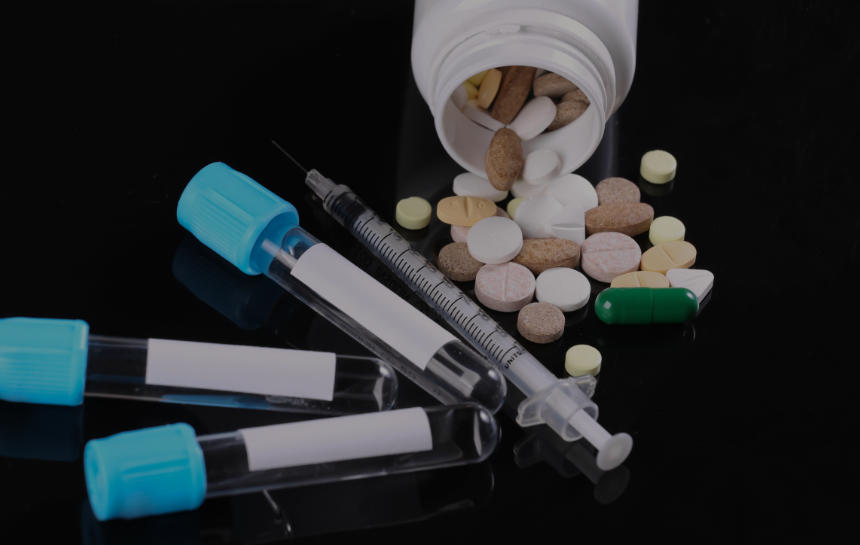
Procaine, chemically known as 2-(diethylamino)ethyl 4-aminobenzoate, is an ester-type local anesthetic. Unlike narcotics, which primarily affect the central nervous system, procaine works by blocking peripheral nerve signals. It achieves this by inhibiting sodium ion channels on nerve membranes, preventing transmission of pain signals to the brain.
Procaine is metabolized by plasma enzymes (pseudocholinesterase) into para-aminobenzoic acid (PABA), which the body readily excretes. This metabolic pathway further distinguishes procaine from narcotics, which often exert long-lasting central nervous system effects and have addiction potential.
Typically supplied as procaine hydrochloride, it was historically a mainstay for dental anesthesia. Although modern anesthetics like lidocaine have largely replaced procaine due to lower allergenic potential and greater effectiveness, procaine remains in limited clinical and pharmaceutical use.
Narcotics generally refer to opioid drugs derived from opium, known for their pain-relieving properties but also for their potential to induce euphoria, sedation, and addiction. Examples include morphine, heroin, and codeine. These drugs affect the brain's reward system and central nervous system, creating dependency risks.
- Procaine acts locally on peripheral nerve fibers and does not affect the central nervous system.
- It does not cause euphoria, sedation, or psychological addiction.
- Its mechanism provides localized numbness without central opioid effects.
- It is metabolized quickly and does not accumulate in the body.
- Unlike narcotics, it is primarily used for temporary anesthesia, not systemic pain control.
Although procaine can sometimes appear as an adulterant mixed with illicit narcotics like heroin or cocaine in street drugs, this does not change its pharmacological classification.
Procaine is unequivocally classified as a local anesthetic, not a narcotic. It provides targeted pain relief without the risks of addiction or central nervous system effects associated with narcotics.
Procaine is mainly used to provide local anesthesia during medical and dental procedures such as tooth extractions, minor surgeries, and skin biopsies. It temporarily blocks nerve signals, allowing painless interventions.
- Dental anesthesia for fillings, root canals, and tooth extractions.
- Local anesthesia in minor surgical procedures.
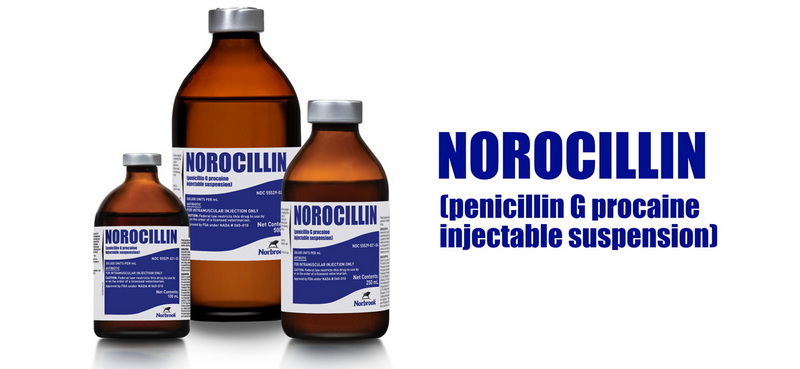
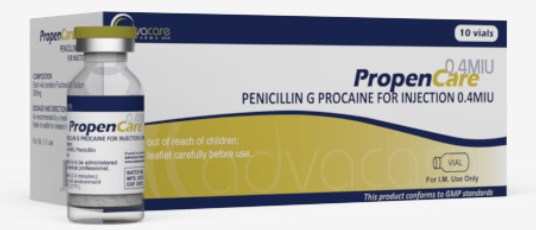
- Relief of pain associated with intramuscular injections (e.g., penicillin).
- Treatment of extravasation injuries to reduce pain and vascular spasms.
- Used in combination with epinephrine to prolong anesthetic effect and reduce bleeding.
Some alternative medicine and aging research have explored oral procaine for conditions like dementia, arthritis, depression, and cerebral atherosclerosis, but scientific evidence does not support these uses. Procaine typically does not absorb well orally and is only effective via injection.
While largely replaced by newer anesthetics like lidocaine and bupivacaine due to better efficacy and lower allergic reactions, procaine is still used in some geographic regions and clinical contexts. It retains an important role in pharmaceutical formulations and OEM manufacturing for medical products, ensuring consistent quality for global clients.
Procaine blocks sodium channels in peripheral neurons, preventing depolarization required for nerve impulse transmission. It also interacts with NMDA receptors and other neurotransmitter systems, which may contribute to its analgesic properties.
Procaine is generally well tolerated, but some side effects and allergic reactions may occur:
- Rare allergic responses.
- Hypotension due to vasodilation.
- Localized irritation or inflammation at the injection site.
- Systemic toxicity is extremely rare when used in clinical doses.
Proper monitoring and administration minimize risks, making procaine safe for routine medical use.
Our company specializes in biotechnology, pharmaceuticals, and medical devices, producing procaine-based formulations to meet international quality standards. Reliable OEM supply of procaine ensures availability for dental and medical manufacturers worldwide. Our quality control aligns with regulatory frameworks, ensuring safety and efficacy of procaine products.
For clients requiring trustworthy OEM partners in procaine and related pharmaceutical ingredients, we provide customized solutions backed by expertise and rigorous testing.
Procaine is an effective local anesthetic distinct from narcotics in its pharmacology and clinical use. It provides targeted pain relief during dental and minor surgical procedures without addiction risks. Despite being supplanted by newer anesthetics in many markets, procaine remains relevant in pharmaceutical manufacturing and medical applications. Our OEM services guarantee high-quality procaine products tailored to international clients' specifications.
Contact us today to discuss your OEM project and explore how our procaine formulations can support your medical product portfolio!
No, procaine is not addictive. It does not act on the central nervous system or produce euphoria, which are key factors in addiction.
Procaine is primarily used for dental anesthesia, minor surgeries, and to reduce the pain of injections like penicillin administration.
Yes, epinephrine is often combined with procaine to constrict blood vessels, reducing bleeding and prolonging anesthesia duration.
Side effects include rare allergic reactions, low blood pressure from vasodilation, and local irritation at the injection site.
Lidocaine is more potent, has fewer allergic reactions, and faster onset than procaine. These advantages have led to lidocaine largely replacing procaine in many settings.
[1](https://www.webmd.com/vitamins/ai/ingredientmono-391/procaine)
[2](https://en.wikipedia.org/wiki/Procaine)
[3](https://www.rxlist.com/supplements/procaine.htm)
[4](https://flarer.ch/en/uses-and-beneficial-properties-of-procaine/)
[5](https://www.ncbi.nlm.nih.gov/books/NBK551556/)
[6](https://go.drugbank.com/drugs/DB00721)
[7](https://www.mims.com/hongkong/drug/info/procaine?mtype=generic)
[8](https://my.clevelandclinic.org/health/drugs/18945-penicillin-g-benzathine-penicillin-g-procaine-injection)
[9](https://jamanetwork.com/journals/jama/fullarticle/1160031)
Hot tags: Procaine Uses, Procaine Side Effects, Is Procaine Addictive, Procaine vs Cocaine, Procaine Mechanism of Action, Procaine Local Anesthetic, Procaine Drug Classification, Procaine Pain Relief, Procaine Injection Benefits, Procaine Safety Profile