Content Menu
● Understanding Procaine: Chemical Nature and Mechanism
● Medical and Clinical Applications of Procaine
● Is Procaine a Controlled Substance? Regulatory Overview
>> China
● Why Isn't Procaine Controlled Like Cocaine?
● Safety Profile and Side Effects
● Procaine's Role in Industry and OEM Manufacturing
● International Compliance, Trade, and Documentation
● Frequently Asked Questions (FAQ)
>> 1. Is it legal to buy procaine online?
>> 2. Does procaine require a prescription?
>> 3. Can procaine be abused or become addictive?
>> 4. Is procaine banned in professional sports?
>> 5. Will procaine show up on drug tests?
Procaine, widely known by the trade name Novocain, is a local anesthetic commonly used in medical and dental procedures. With growing discussions about drug regulations worldwide, one pressing question arises: Is procaine a controlled substance? This article provides a comprehensive exploration of procaine's legal status, uses, safety, mechanism of action, regulatory landscape, industrial applications, and answers frequently asked questions. The goal is to give readers a detailed understanding of procaine, its role in healthcare, and its position within global regulatory frameworks. For businesses in biotechnology, pharmaceutical production, or medical device manufacturing, this knowledge will help ensure compliance and optimize OEM partnerships.
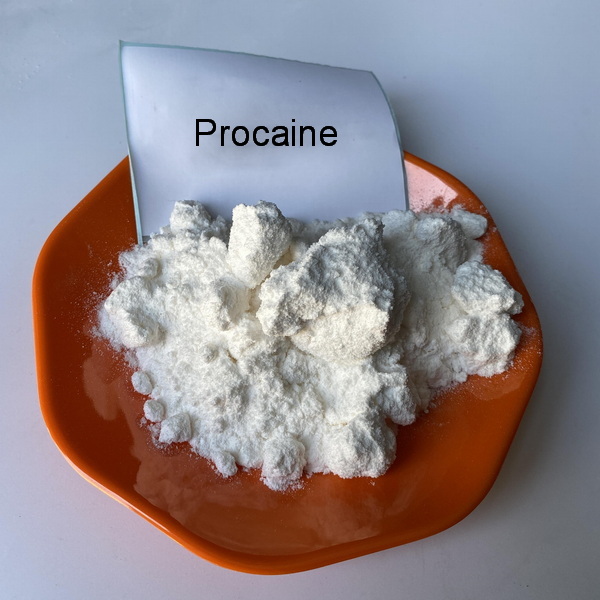
Procaine is a synthetic ester local anesthetic first introduced in 1905. It was developed to replace cocaine in medical settings due to its significantly reduced toxicity and lack of addictive properties. It belongs to the ester class of local anesthetics, which means it is hydrolyzed by plasma esterases and cleared relatively quickly from the body.
Chemically, procaine features an aromatic ring, an ester linkage, and a tertiary amine. Its mechanism of action lies in blocking voltage-gated sodium channels in nerve cells. By inhibiting sodium influx, procaine prevents the initiation and propagation of nerve impulses, resulting in temporary numbness or loss of sensation in the targeted area. This action allows painless interventions during dental work, minor surgeries, and diagnostic procedures.
Unlike cocaine, which also blocks sodium channels but produces significant central nervous system (CNS) stimulation and euphoria, procaine's effects are primarily peripheral and short-lived. This key difference largely underpins procaine's safer profile and regulatory standing.
Procaine's principal use is as a local anesthetic in various medical fields:
- Dentistry: Employed extensively for dental blocks and infiltration anesthesia to relieve pain during tooth extraction, cavity repairs, and gum procedures.
- Surgical Procedures: Used in minor surgeries where regional anesthesia is sufficient, such as skin biopsies or small wound repairs.
- Obstetrics: Occasionally applied for nerve blocks during childbirth to reduce labor pain without impacting maternal consciousness.
- Pain Management: Sometimes used for nerve blocks or intramuscular injections to alleviate chronic pain or inflammation.
- Adjunct to Antibiotics: Procaine is combined with penicillin in intramuscular injections to reduce injection site pain and prolong antibiotic action.
In addition to clinical medicine, there have been alternative therapy claims suggesting anti-inflammatory or anti-aging benefits of procaine, though these are not strongly supported by rigorous scientific evidence.
The U.S. Drug Enforcement Administration (DEA) does not list procaine as a controlled substance under the Controlled Substances Act. Procaine differs significantly from schedule-listed substances such as cocaine or opioids. Consequently, it can be manufactured, prescribed, possessed, and administered within legal medical frameworks without the strict controls applied to narcotics or psychotropics. However, procaine products that combine with controlled medications may have additional regulatory requirements.
The UK's Misuse of Drugs Act excludes procaine from the controlled drug lists. This means procaine's production, supply, and administration are not subject to the stringent controls reserved for substances like heroin, cocaine, or amphetamines. Healthcare providers and pharmaceutical companies follow standard pharmaceutical regulations when handling procaine.
China's regulatory agencies similarly do not classify procaine as a psychotropic substance or narcotic. Procaine is permitted for manufacture, distribution, import, and export provided compliance with applicable medical and pharmaceutical standards. Its role in OEM production for foreign markets is significant, ensuring quality and adherence to both Chinese and international regulations.
Worldwide, procaine consistently falls outside controlled substance schedules. Most regulatory bodies agree on its low potential for abuse and addiction, supporting its availability for medical use. Some variations exist regarding labeling, documentation, and packaging depending on the regulatory environment. Strict controls are more likely if procaine is combined with controlled antibiotics or other substances.
Several factors contribute to procaine's exemption from controlled substance status:
- Lack of Abuse Potential: Procaine does not produce euphoria, dependence, or addictive behaviors seen with cocaine or opioids.
- Peripheral Action: It acts mainly on peripheral nerves rather than the CNS, minimizing psychoactive effects.
- Historical Medical Safety: Over a century of clinical use has demonstrated its safety profile when used appropriately.
- Chemical Differences: Despite being chemically related to cocaine, procaine's ester linkage and pharmacokinetics make it distinct and less prone to misuse.
Nonetheless, law enforcement has occasionally intercepted illicit use of procaine as a cutting agent in street drugs. This practice is due to its similar physical appearance but does not influence legal classification.
While generally safe when administered under medical guidance, procaine carries some risks:
- Allergic Reactions: Some individuals display hypersensitivity to ester local anesthetics, resulting in rashes, swelling, or anaphylaxis.
- CNS Toxicity (Overdose): Large doses or intravascular injection can cause dizziness, nervousness, tremors, seizures, or respiratory depression.
- Cardiovascular Effects: Rarely, procaine may induce arrhythmias or hypotension.
- Injection Site Issues: Pain, redness, or inflammation is possible but usually resolves without complications.
Modern dosing protocols minimize adverse events, and emergency measures for overdose or allergic reactions are well established in clinical settings.
For pharmaceutical companies, medical device manufacturers, and biotechnology firms, procaine remains an important raw material and formulation component. OEM suppliers provide procaine in various grades and forms tailored to client specifications:
- Pharmaceutical Preparations: Injectable solutions, topical creams, or powders for compounding.
- Dental Products: Pre-filled cartridges for local anesthetic delivery systems.
- Veterinary Medicine: Anesthetic agents for animal healthcare.
- Research and Development: Raw materials for experimental formulations or new drug delivery technologies.
Reputable OEM manufacturers ensure that procaine meets purity, potency, and safety standards. They handle regulatory documentation, batch testing, and quality assurance, critical for international regulatory compliance.
When involved in the international trade of procaine, businesses must comply with:
- Accurate Labeling: Clear indication of concentration, expiry, ingredients, and handling precautions.
- Certificates of Analysis (COA): Confirming identity, purity, and contaminants for each batch.
- Good Manufacturing Practice (GMP) Certification: Guaranteeing that manufacturing processes meet global standards.
- Safety Data Sheets (SDS): Providing hazard, handling, and emergency information.
- Import/Export Licenses: Depending on jurisdiction, some countries require specific registrations or permits.
Clients should engage directly with OEM suppliers to navigate these requirements, reducing risks of shipment rejection or legal issues.
Procaine is not classified as a controlled substance in the United States, United Kingdom, China, or most other jurisdictions globally. This distinction owes to its chemical properties, low abuse potential, and long-standing, safe clinical use as a local anesthetic. For medical, dental, pharmaceutical, and veterinary applications, procaine remains a reliable and essential agent.
For companies looking to optimize their supply chain or develop specialized formulations, partnering with experienced OEM manufacturers ensures access to high-quality procaine and compliant regulatory support.
Contact us today to explore tailored OEM solutions for your procaine requirements. Together, we can innovate and advance healthcare products with confidence and compliance.
In many countries, purchasing procaine for legitimate industrial, laboratory, or medical purposes is legal, provided you comply with local regulations. Always buy from reputable suppliers who offer proper documentation and ensure the intended use is lawful.
For medical applications such as injections or surgical anesthesia, procaine must be administered by licensed healthcare providers, often requiring a prescription. Over-the-counter availability is generally nonexistent due to its pharmaceutical nature.
Procaine lacks significant addictive properties and is rarely subject to abuse. Its effects are localized and do not induce euphoria or cravings seen with controlled substances.
Procaine is not on most anti-doping prohibited substance lists. However, athletes should always verify the regulatory status of any medications they use, especially if combined with other agents.
Standard drug screenings do not detect procaine since it is chemically different from drugs of abuse like cocaine. However, impurities or mislabeled products may cause unexpected results, so sourcing from reputable suppliers is critical.