Content Menu
● Introduction to lidocaine HCl and ingestion risk
● Pharmacokinetics and how ingestion differs from other routes
● Early signs and progression of toxicity
● Clinical management considerations (how providers respond to ingestion)
● Ingested lidocaine in products designed for other routes
● Clinical red flags and when to seek urgent care
● OEM and manufacturing considerations for lidocaine-containing products
● Practical guidance for readers in the OEM ecosystem
● Safety data sheets and regulatory considerations
● Visuals, multimedia, and reader engagement considerations
● Case studies and real-world examples
● Inoculating readers with practical takeaways
● 3FAQ
>> 1) What are the earliest signs of lidocaine toxicity after ingestion?
>> 2) How should ingestion be managed in a clinical setting?
>> 3) Are all lidocaine formulations equally risky if swallowed?
>> 4) How can manufacturers prevent ingestion risks?
>> 5) What steps should consumers take if ingestion occurs?
Lidocaine hydrochloride (lidocaine HCl) is a widely used local anesthetic designed to numb tissue in a targeted area. It appears in a variety of dosage forms, including topical solutions, gels, patches, injectable formulations, and compounded preparations. While lidocaine HCl is essential for many medical and veterinary procedures, accidental ingestion or improper handling can lead to serious systemic effects. This article discusses the physiological outcomes of swallowing lidocaine HCl, factors that influence toxicity, clinical signs of toxicity, immediate first aid steps, and how manufacturers—especially OEM suppliers in China and international exporters—can manage risk through formulation, labeling, packaging, and quality control. The goal is to equip brand owners, wholesalers, and manufacturers with practical guidance for safe product development and responsible marketing of lidocaine-containing items.
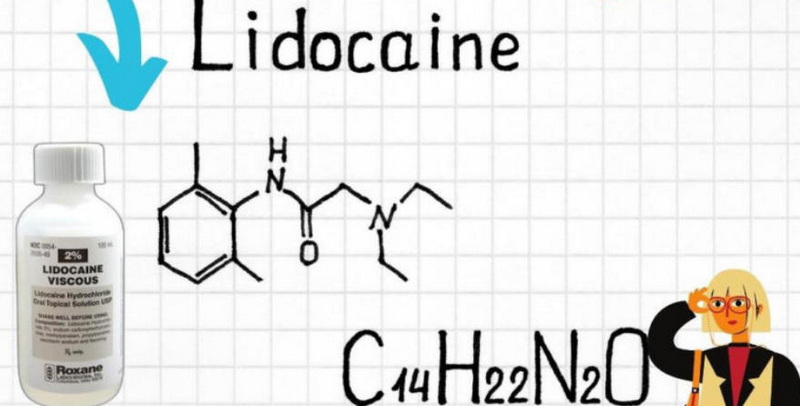
Lidocaine HCl functions by blocking voltage-gated sodium channels in nerve membranes, thereby inhibiting nerve conduction and producing a reversible local anesthesia. When lidocaine HCl enters systemic circulation—whether through injection, ingestion, or rapid absorption from a mucosal surface—it can cause central nervous system (CNS) and cardiovascular toxicity. In ordinary clinical practice, doses are tightly controlled to minimize exposure. In consumer products or raw-ingredient forms intended for OEM use, the potential for accidental ingestion or improper dosing exists, illustrating why robust labeling, packaging, and safety data sheets (SDS) are crucial in the supply chain. This risk assessment is especially pertinent for manufacturers supplying international brands, wholesalers, and contract manufacturers who may combine lidocaine-containing ingredients with other pharmacologically active substances.
- Absorption and distribution: Lidocaine absorbed from the gastrointestinal tract may enter systemic circulation more variably than topical or injectable routes, depending on formulation and presence of adjuvants such as propellants, alcohol, or glycerin. Ingested lidocaine can reach peak blood levels more rapidly if the product is formulated for quick dissolution, though many lidocaine-containing products are not intended for oral consumption. Once absorbed, lidocaine distributes to highly perfused organs such as the liver, brain, heart, and skeletal muscles.
- Metabolism and elimination: The liver metabolizes lidocaine primarily via cytochrome P450 enzymes, with subsequent renal excretion of metabolites. Impaired hepatic function, advanced age, or concomitant use of other hepatically metabolized drugs can alter lidocaine clearance, raising the risk of accumulation after ingestion.
- Dose-toxicity relationship: The toxicity threshold depends on body weight, age, comorbidities, and the formulation's concentration and bioavailability. In general, higher systemic exposure correlates with increased CNS and cardiovascular risks, though individual susceptibility varies.
- Early CNS signs: Lightheadedness, dizziness, tinnitus, perioral numbness, metallic taste, blurred vision, and confusion may emerge as lidocaine reaches central nervous system targets.
- Progression to severe CNS effects: Agitation, disorientation, seizures, and coma can occur with higher exposures or rapid absorption. These symptoms require urgent medical evaluation.
- Cardiovascular manifestations: Hypotension (low blood pressure), bradycardia (slow heart rate), arrhythmias, conduction abnormalities, and, in severe cases, cardiac arrest may accompany CNS toxicity, particularly in vulnerable patients or when large ingested doses are involved.
- Special populations: Older adults, young children, people with liver disease, cardiac disease, or electrolyte disturbances may experience enhanced sensitivity to lidocaine toxicity.
- Initial assessment: Rapid clinical evaluation focusing on airway, breathing, and circulation; monitoring of mental status, vital signs, and potential seizures.
- Decontamination and early interventions: Gastric decontamination methods (e.g., activated charcoal) are time-sensitive and assessed case-by-case, given lidocaine's relatively rapid absorption. Benzodiazepines or other anticonvulsants may be employed to manage seizures or agitation, while careful respiratory and cardiovascular monitoring guides supportive care.
- Advanced supportive therapies: In severe LAST (local anesthetic systemic toxicity), lipid emulsion therapy, vasopressors, antiarrhythmic agents, and advanced cardiovascular support may be indicated. The choice of interventions depends on symptom severity and the patient's hemodynamic status.
- Prognosis: With prompt recognition and appropriate management, many patients recover from lidocaine toxicity. Mortality, while uncommon with modern supportive care, remains a possibility in severe cases or delayed treatment, particularly when delays allow progression to profound CNS or cardiac compromise.
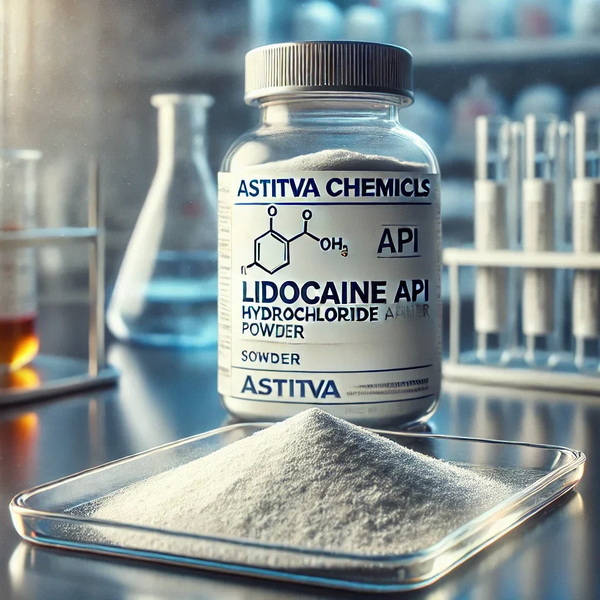
Many consumer-care and medical devices carry lidocaine for topical use rather than oral consumption. Ingesting such products may deliver much larger, less predictable doses than intended, increasing the risk of LAST or other systemic toxicities. Manufacturers should emphasize that products are not for oral intake and should incorporate child-resistant packaging, clear dosage labeling, and explicit warnings. OEM suppliers should verify that final products are fit for their intended route of administration and that packaging, labeling, and SDS reflect the correct use to prevent accidental ingestion.
If ingestion occurs, anyone presenting with dizziness, confusion, agitation, seizures, fainting, rapid breathing or slow heart rate, chest pain, or signs of respiratory distress warrants immediate medical evaluation. Time is critical; early intervention can reduce the severity of CNS and cardiovascular manifestations.
- Clear labeling and tolerable dosage ranges: Each product should state explicit instructions on concentration, maximum recommended dose, administration route, and potential adverse effects.
- Packaging safeguards: Child-resistant closures, tamper-evident seals, and clear storage ##instructions help prevent accidental ingestion by children or misuse by others.
- Quality control and supply-chain integrity: Ensuring consistent API quality, purity, and accurate excipients minimizes the risk of contamination, mislabeling, or incorrect dosing.
- Regulatory compliance: Align packaging, labeling, and pharmacovigilance with the regulatory requirements across target markets, including submission of safety data sheets and adverse event reporting obligations.
- Traceability and pharmacovigilance: Maintain supplier qualification records, batch traceability, and robust post-market surveillance to rapidly identify and address safety concerns.
- Collaborate with reputable API suppliers and contract manufacturers who can provide robust quality assurance documentation.
- Establish clear MOUs with overseas brand owners about labeling, safety messaging, and permissible variations in dosing and containers.
- Invest in user education materials that explain safe handling, storage, and disposal of lidocaine-containing products, as well as what to do if ingestion occurs.
- Design product lines with safety in mind, including non-ingestible formulations where possible, and implement risk mitigation measures such as child-resistant packaging for ready-to-use topical products intended for households.
- SDS content: Concentrations, handling hazards, first-aid measures, and spill/accidental ingestion guidance should be clearly stated.
- Labeling standards: Pictograms, hazard statements, and precautionary statements must reflect actual risks associated with the product's intended use and potential accidental ingestion risk.
- Cross-border considerations: Different markets may have distinct requirements for labeling, warning language, and reporting of adverse events; a global OEM approach should harmonize these aspects while accommodating local regulatory nuances.
- High-quality product photography: Include images showing properly labeled packaging, dosage indicators, and storage instructions to reinforce safety messaging.
- Infographics: An accessible diagram illustrating lidocaine absorption, potential toxicity thresholds, and first-aid steps can improve reader comprehension.
- Short explainer videos: Brief clips (1–2 minutes) can demonstrate safe handling, packaging practices, and steps to take if ingestion occurs, enhancing engagement for international audiences.
- LAST cases from clinical literature highlight how rapid recognition and lipid-emulsion therapy can reverse severe systemic toxicity.
- Case series indicate that early supportive care remains the mainstay of management, with lipid therapies playing a pivotal role in more severe presentations.
- These scenarios underscore the importance of correct formulation, stable supply chains, and accurate labeling to minimize ingestion-related risks in consumer and clinical settings.
- For manufacturers: Invest in robust labeling, packaging that discourages ingestion, and clear consumer guidance aligned with regional regulatory expectations.
- For distributors: Ensure that products sold in different jurisdictions include appropriate warnings and that responsible channels are used to minimize accidental ingestion, especially in households with children.
- For brands: Prioritize safety-by-design in product development, including non-ingestible alternatives where viable and clearly delineated dosing ranges for any products intended for clinical settings under professional supervision.
Swallowing lidocaine HCl can trigger systemic exposure with potentially serious CNS and cardiovascular effects, especially when formulations enable rapid absorption or high doses are ingested. Responsible OEM practices—precise labeling, safe packaging, consistent quality control, and rigorous regulatory compliance—are essential for minimizing ingestion risks and protecting consumer safety. By partnering with experienced manufacturers and maintaining transparent communication with distributors and brands, OEMs can deliver lidocaine-containing products that meet safety and efficacy expectations in international markets. Contact us to know more!

Earliest signs commonly include dizziness, numbness around the mouth, tinnitus, metallic taste, and lightheadedness, followed by confusion or seizures if exposure is significant.
Immediate medical evaluation is critical; treatment is supportive and symptom-driven, with consideration of lipid-emulsion therapy for LAST in severe cases.
No. Risk depends on dose, formulation, and rate of absorption; topical or injectable forms carried in non-oral formulations carry distinct risk profiles when ingested.
Implement clear labeling, child-resistant packaging, explicit dosing instructions, tamper-evident seals, and thorough pharmacovigilance and quality controls.
Seek urgent medical care; do not induce vomiting unless advised by a professional. Have product details ready (concentration, amount ingested, time of ingestion) to assist clinicians.
[1](https://www.medicalnewstoday.com/articles/lidocaine-overdose)
[2](https://pmc.ncbi.nlm.nih.gov/articles/PMC6036540/)
[3](https://www.verywellhealth.com/lidocaine-overdose-4582418)
[4](https://www.mayoclinic.org/drugs-supplements/lidocaine-injection-route/description/drg-20452273)
[5](https://pmc.ncbi.nlm.nih.gov/articles/PMC8399637/)
[6](https://www.mayoclinic.org/drugs-supplements/lidocaine-topical-application-route/description/drg-20072776)
[7](https://www.poison.org/articles/lidocaine-can-cause-harmful-effects-172)
[8](https://go.drugbank.com/drugs/DB00281)
[9](https://en.wikipedia.org/wiki/Lidocaine)
Hot tags: Lidocaine HCL Effects, Swallowing Lidocaine Risks, Lidocaine Overdose Symptoms, Lidocaine Toxicity Signs, Lidocaine Side Effects, Emergency Lidocaine Ingestion, Lidocaine Safety Precautions, Lidocaine for Oral Use, Lidocaine Viscous Dangers, Lidocaine and Nausea