Content Menu
● What is Procaine Penicillin?
● Is Procaine Penicillin Long Acting?
>> Comparison with Other Penicillins
>> Side Effects and Precautions
● Pharmacokinetics of Procaine Penicillin
● Procaine Penicillin in Veterinary Medicine
● FAQ
>> 1. What is the difference between procaine penicillin and benzathine penicillin?
>> 2. How is procaine penicillin administered?
>> 3. What infections can procaine penicillin treat?
>> 4. Are there any side effects associated with procaine penicillin?
>> 5. How long does procaine penicillin stay in the body?
Procaine penicillin, also known as penicillin G procaine, is a widely used antibiotic that combines the properties of penicillin with the local anesthetic procaine. This combination allows for a prolonged release of the antibiotic into the bloodstream, making it effective for treating various bacterial infections. In this article, we will explore the characteristics of procaine penicillin, its uses, and its long-acting nature, supported by images and videos to enhance understanding.
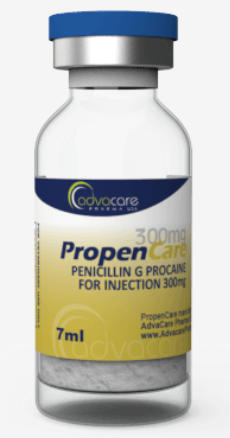
Procaine penicillin is a salt of benzylpenicillin (penicillin G) and procaine. It is administered intramuscularly and is known for its slow absorption, which allows for sustained therapeutic levels of penicillin in the body. This makes it particularly useful in treating infections that require prolonged antibiotic action.
The mechanism of action of procaine penicillin involves the inhibition of bacterial cell wall synthesis. Penicillin G binds to penicillin-binding proteins (PBPs) located inside the bacterial cell wall, disrupting the cross-linking process of peptidoglycan chains. This weakens the cell wall, leading to bacterial lysis and death.
Yes, procaine penicillin is considered a long-acting antibiotic. The addition of procaine not only serves as a local anesthetic to reduce pain at the injection site but also slows the release of penicillin G into the bloodstream. This prolonged release helps maintain therapeutic levels of the antibiotic over an extended period, typically around 12 to 24 hours after administration.
While procaine penicillin provides a longer duration of action compared to standard penicillin G, it is not as long-acting as benzathine penicillin, which can maintain serum levels for up to two weeks. However, procaine penicillin is still effective for many infections that require sustained antibiotic levels without the need for frequent dosing.
Procaine penicillin is used to treat a variety of bacterial infections, including:
- Syphilis: Effective in treating primary, secondary, and latent syphilis.
- Anthrax: Used in the treatment of anthrax infections.
- Respiratory Infections: Effective against pneumonia and other upper respiratory tract infections.
- Skin Infections: Treats cellulitis and other skin infections.
- Animal Bites: Used in cases of infections resulting from animal bites.
Procaine penicillin is typically administered as an intramuscular injection. The dosage varies depending on the type and severity of the infection. For example, the recommended dosage for treating syphilis is 600,000 units daily for 10 to 15 days.
In veterinary medicine, procaine penicillin is also commonly used to treat infections in livestock and pets. The dosage for animals may differ based on their size and the type of infection being treated. It is crucial for veterinarians to follow established guidelines to ensure the safety and efficacy of the treatment.
While procaine penicillin is generally well-tolerated, some patients may experience side effects, including:
- Allergic Reactions: Symptoms may include rash, itching, or difficulty breathing. Patients with a known allergy to penicillin should avoid this medication.
- Local Reactions: Pain or swelling at the injection site is common and usually resolves quickly.
- Neurological Effects: Rarely, procaine can cause anxiety, confusion, or seizures, particularly in patients receiving high doses.
It is essential to monitor patients for any adverse reactions, especially after the first dose. Healthcare providers should be prepared to manage any allergic reactions that may occur.
Understanding the pharmacokinetics of procaine penicillin is crucial for optimizing its use in clinical settings. After intramuscular injection, procaine penicillin forms a depot in the muscle tissue, from which it is slowly absorbed into the bloodstream. The peak plasma concentration is typically reached within 12 to 24 hours, and therapeutic levels can be maintained for up to 24 hours, depending on the dosage and individual patient factors.
The half-life of procaine penicillin is approximately 4 hours, but its effects can last much longer due to the slow release of the drug from the injection site. This pharmacokinetic profile allows for once-daily dosing in many cases, improving patient compliance and convenience.
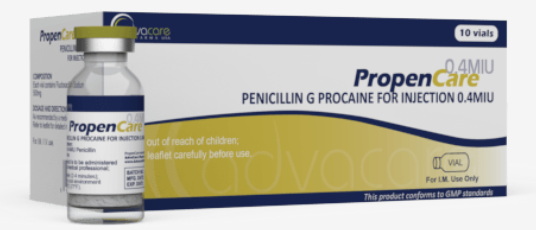
Procaine penicillin is not only used in human medicine but is also a staple in veterinary practice. It is commonly used to treat infections in livestock, such as cattle, sheep, and pigs, as well as in companion animals like dogs and cats. The antibiotic is effective against a range of bacterial infections, including those caused by Streptococcus and Staphylococcus species.
Veterinarians often use procaine penicillin for treating respiratory infections, skin infections, and soft tissue infections in animals. The long-acting nature of the drug is particularly beneficial in veterinary medicine, where compliance with treatment regimens can be challenging.
The dosage of procaine penicillin in animals varies based on the species, size, and severity of the infection. For example, a common dosage for cattle may be 1.5 to 3 million units per day, while smaller animals like dogs may require significantly lower doses. It is essential for veterinarians to calculate the appropriate dosage carefully to avoid underdosing or overdosing.
Procaine penicillin is a valuable antibiotic with long-acting properties, making it suitable for treating various bacterial infections in both humans and animals. Its unique formulation allows for sustained release, reducing the frequency of administration and improving patient compliance. If you are interested in learning more about procaine penicillin or require OEM services for your pharmaceutical needs, please contact us for further information.
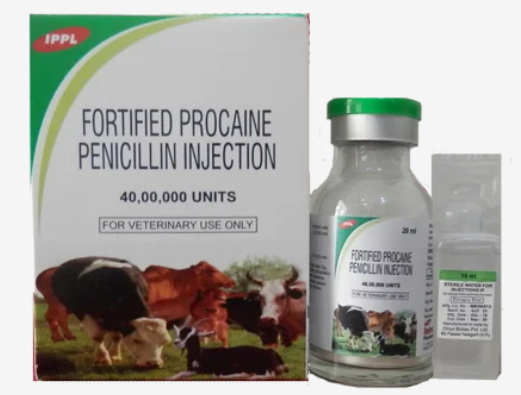
Procaine penicillin has a shorter duration of action compared to benzathine penicillin, which can last for weeks. Procaine is typically used for infections requiring shorter treatment durations.
Procaine penicillin is administered via intramuscular injection, typically into the buttocks or thigh.
It is effective against syphilis, anthrax, pneumonia, cellulitis, and infections from animal bites.
Common side effects include allergic reactions, local pain at the injection site, and, in rare cases, neurological effects.
Procaine penicillin maintains therapeutic levels in the body for approximately 12 to 24 hours after administration.
Hot tags: Procaine Penicillin Uses, Long Acting Antibiotics, Penicillin G Procaine Dosage, Procaine Penicillin Side Effects, Long Acting Penicillin Injections, Procaine Penicillin Mechanism, Penicillin G Procaine Efficacy, Procaine Penicillin Injection, Antibiotic Treatment Duration, Procaine Penicillin Benefits