Content Menu
● Pharmacology of Procaine Penicillin G
● Safety in Pregnancy: Evidence and Considerations
● Practical Guidelines for Use in Pregnant Cows
● OEM and Manufacturing Considerations for International Partners
● Comparative Alternatives and Risk Management
● FAQ
>> 1) Is it safe to use procaine penicillin G in pregnant cows?
>> 2) What signs indicate an adverse reaction after administration?
>> 3) What withdrawal times are typical for milk and meat?
>> 4) Can procaine penicillin G be used in other ruminants during pregnancy?
>> 5) How do OEM manufacturers support international brands?
In modern dairy veterinary medicine, procaine penicillin G (PPG) remains a widely used antimicrobial for treating or preventing common bovine infections. When cows are pregnant, the clinical decision to administer PPG must balance treatment benefits against potential risks to fetal development, milk and meat withdrawal implications, and regulatory constraints. This article examines the pharmacology, safety considerations, practical use guidelines during pregnancy, and how Chinese OEM manufacturers can support international brands with consistent, compliant products. It intentionally emphasizes responsible use under veterinary supervision and robust quality systems to ensure product safety and supply reliability for global markets. The following sections are organized to optimize readability for both technical readers and procurement teams evaluating OEM partnerships.
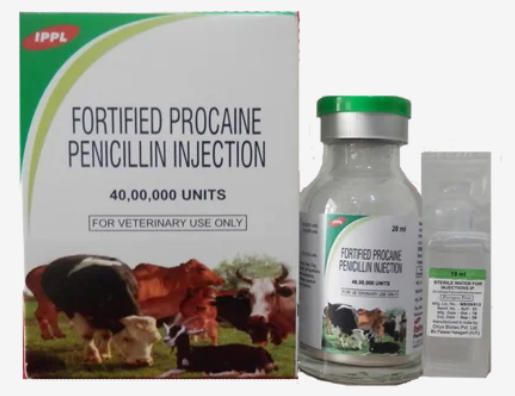
- Procaine penicillin G combines penicillin G with procaine to create a depot formulation that extends antibiotic exposure, potentially reducing the frequency of dosing. In cattle, this class of antibiotics is commonly used to address mastitis, gastrointestinal, respiratory, and other bacterial infections where penicillin susceptibility is established.
- For pregnant cows, regulatory and clinical guidelines emphasize careful indication, precise dosing, and strict withdrawal times to protect both animal welfare and food safety. International markets often require explicit labeling, withdrawal data, and veterinary oversight before authorization for use in lactating or non-lactating dairy cattle.
- OEM manufacturing partners, including those in China, are increasingly positioned to provide consistent API-grade penicillin G procaine formulations, finished-dose products, and complete regulatory documentation to support export to dairy operations worldwide. Collaboration models typically include private-label formulations, contract manufacturing, and white-label distribution with robust QA/QC, stability testing, and pharmacovigilance.
- Mechanism of action: Procaine penicillin G delivers benzylpenicillin (penicillin G) via a depot effect, releasing active antibiotic over time to combat susceptible bacteria, while procaine acts as a local anesthetic and carrier that modulates absorption.
- Spectrum and indications: Primarily active against Gram-positive organisms and some Gram-negative cocci; clinically relevant in bovine mastitis, certain reproductive tract infections, and other soft-tissue infections when indicated by veterinary diagnosis.
- Pharmacokinetics considerations: Depot formulations yield an extended-release profile, which can influence peak plasma levels and tissue distribution. Dosing schedules must align with product labeling, species-specific guidance, and the veterinarian's assessment of infection severity and animal health status.
- Safety margins: In many veterinary products, the label includes species-specific dosing ranges, injection routes, and withdrawal timelines. Adherence to these parameters minimizes the risk of residue problems in milk or meat and reduces adverse events.
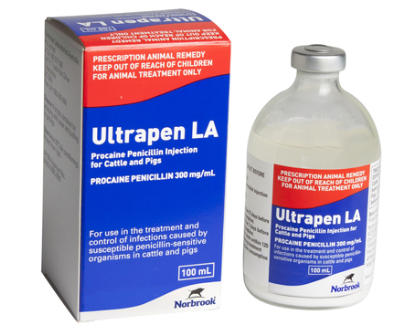
- Pregnancy safety profile: Across veterinary references, procaine penicillin G is generally considered compatible with use in pregnant animals when indicated and administered under veterinary supervision. However, there are species- and product-specific cautions, and some formulations or adjuvants may carry risks of adverse outcomes if misused.
- Potential fetal and maternal risks: Possible hypersensitivity or anaphylactic reactions in the dam, injection-site reactions, and, in rare instances, effects on fetal development if inappropriate dosing or exposure occurs. Withdraw times remain critical to ensure safe milk and meat for human consumption.
- Regulatory and labeling notes: Withdrawal times and residue limits vary by product, jurisdiction, and whether the animal is lactating. Veterinarians must reference the exact product labeling and national/regional regulations to ensure compliance before using in pregnant cows.
- Practical implication for dairy operations: When a pregnant cow requires antibiotic therapy, veterinarians may consider narrow-spectrum agents with well-documented safety in pregnancy, coupled with appropriate diagnostic confirmation and milk withdrawal management.
- Veterinary justification: Only administer PPG when a clinical diagnosis supports its necessity and when alternative therapies are not appropriate. Document the indication, dosing rationale, and expected outcomes.
- Correct dosing and administration: Follow the product's label for dosage, route, and injection technique. Use aseptic procedures and designate injection sites to minimize tissue injury and ensure consistent absorption.
- Monitoring and adverse events: Observe the animal post-administration for signs of an allergic reaction, local swelling, fever, or systemic effects. Establish a clear pharmacovigilance process with the farm team and veterinary contact points.
- Withdrawal times and milk safety: Maintain precise records of treatment dates and withdrawal periods. Verify milk and meat withdrawal times in the specific regulatory jurisdiction to protect public health.
- Herd-health integration: Align antibiotic use with antimicrobial stewardship principles, favor narrow-spectrum agents when possible, and implement vaccination and biosecurity measures to reduce infection incidence.
- Quality systems and compliance: Emphasize GMP-like practices, rigorous QA/QC, batch traceability, and robust validation data to support regulatory submissions in target markets.
- Product customization and labeling: Offer private-label and contract-manufacturing options with tailored labeling to meet jurisdictional requirements, including withdrawal data, storage conditions, and stability information.
- Regulatory support: Provide technical dossiers, stability studies, and pharmacovigilance mechanisms to help partners satisfy regulatory authorities in dairy-export countries.
- Supply-chain reliability: Highlight manufacturing capacity, lead times, and contingency plans to ensure consistent supply for international brands and wholesalers.
- Technical collaboration: Leverage in-house R&D capabilities to adapt formulations for regional requirements, such as different withdrawal timelines or administration routes, while maintaining efficacy and safety.
- Alternative antibiotics: When penicillin use is constrained, explore alternatives with established safety profiles in pregnancy for the specific infection, while considering antimicrobial stewardship and resistance concerns.
- Risk mitigation strategies: Implement dosing audits, allergy screening for handlers, and clear documentation to enhance traceability from production to end-use. Ensure training for veterinarians and farm staff on correct administration and withdrawal compliance.
- Regional guidance: Recognize that regulatory statuses and withdrawal requirements differ across regions such as the EU, US, UK, Australia, and other dairy-export markets. Align product documentation and labeling accordingly.
Responsible antibiotic use in pregnant cows requires an integrated approach that combines accurate diagnosis, judicious selection of therapy, veterinary supervision, and strict adherence to withdrawal times. For international dairy operations, partnering with a reliable OEM manufacturer—capable of delivering consistent product quality, regulatory-compliant documentation, and scalable supply—can streamline compliance and support global market access. By choosing a manufacturing partner aligned with antimicrobial stewardship and pharmacovigilance, brands can deliver effective therapies while protecting animal welfare and human food safety. If seeking tailored manufacturing arrangements, regulatory support, and dependable supply for international markets, engaging with an OEM partner is a prudent strategy.
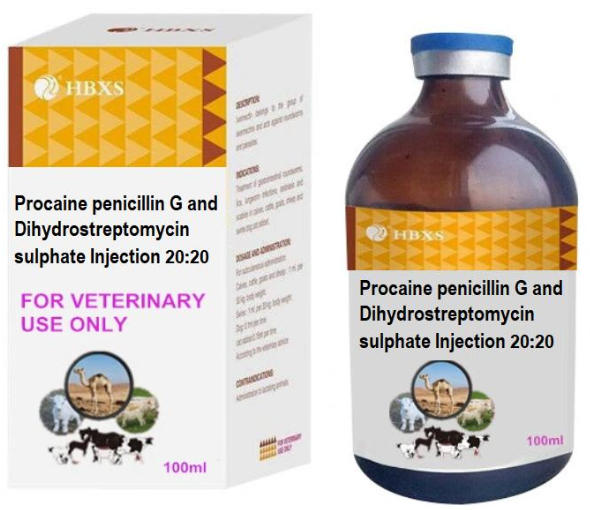
- Answer: When indicated by a veterinarian and used strictly according to the product labeling and regulatory withdrawal requirements, procaine penicillin G can be used safely in pregnant cows. Careful dosing, monitoring for adverse reactions, and compliance with withdrawal times are essential.
- Answer: Watch for hypersensitivity signs (swelling, hives, difficulty breathing), injection-site reactions, fever, lethargy, or signs of systemic illness. If any occur, seek veterinary guidance immediately and follow pharmacovigilance procedures.
- Answer: Withdrawal times vary by product and jurisdiction; always refer to the specific product labeling and local regulations. Maintain meticulous records to ensure safe handling of milk and meat products.
- Answer: Species-specific guidelines apply. Always consult a veterinarian and rely on product labeling and regional regulatory instructions before using in any species beyond cattle.
- Answer: OEM partners provide consistent quality formulations, regulatory documentation, customization options, and reliable supply chains, helping international brands meet market-specific requirements and maintain compliance.
[1](https://assets.hpra.ie/products/Animal/1049/ie-spc-600000064452-mr-vpa10555-007-001-en_10022025142121.pdf)
[2](http://www.farad.org/publications/digests/112006ExtralabelPenicillin.pdf)
[3](https://www.ema.europa.eu/en/documents/mrl-report/procaine-summary-report-committee-veterinary-medicinal-products_en.pdf)
[4](https://www.merckvetmanual.com/pharmacology/antibacterial-agents/penicillins-use-in-animals)
[5](https://www.jamdvm.com/penicillin-g)
[6](https://www.vmd.defra.gov.uk/productinformationdatabase/files/SPC_Documents/SPC_139902.PDF)
[7](https://www.interchemie.com/veterinary-medicines/procaben-la)
[8](https://www.sciencedirect.com/science/article/abs/pii/S0378113508003763)
[9](https://medex.com.bd/generics/1905/procaine-penicillin-benzyl-penicillin-veterinary)
Hot tags: Procaine Penicillin Safety, Cow Pregnancy Antibiotics, Veterinary Medicine Procaine, Cattle Health Management, Antibiotic Use in Pregnant Cows, Procaine Penicillin Dosage, Animal Health Guidelines, Pregnancy Safety in Cattle, Veterinary Antibiotic Regulations, Procaine Penicillin Effects on Cows