Content Menu
>> Current Applications of Procaine
● FAQ
>> 1. What is procaine used for?
>> 4. Why has procaine's use declined?
>> 5. Can procaine be used in children?
Procaine, a local anesthetic first synthesized in the early 20th century, has a storied history in medicine. Originally marketed under the trade name Novocain, it was widely used for various medical procedures, particularly in dentistry. However, with the advent of newer anesthetics, its usage has declined significantly. This article explores the current status of procaine, its applications, and its relevance in modern medicine.
Procaine was developed in 1905 by German chemist Alfred Einhorn as a safer alternative to cocaine, which was the primary local anesthetic at the time. Its introduction revolutionized pain management in medical procedures, particularly in dentistry. Procaine acts as a sodium channel blocker, preventing nerve signals from transmitting pain sensations.
Initially, procaine was celebrated for its effectiveness and lower toxicity compared to cocaine. It became the go-to anesthetic for dental procedures, minor surgeries, and even some regional anesthesia applications. Its popularity soared, and it was commonly used until the late 20th century.
Procaine's introduction marked a significant advancement in the field of anesthetics. Dentists and surgeons found it to be a reliable option for pain management, allowing for more complex procedures to be performed with patient comfort in mind. The drug's ability to provide localized pain relief without the systemic effects associated with cocaine made it a preferred choice.
Despite its historical significance, procaine's use has diminished over the years. The introduction of newer local anesthetics, such as lidocaine, bupivacaine, and mepivacaine, has largely supplanted procaine in clinical practice. These alternatives offer several advantages, including:
- Faster Onset of Action: Newer anesthetics typically provide quicker pain relief, which is crucial in emergency situations and surgical settings.
- Longer Duration: Many modern anesthetics have a longer duration of action, reducing the need for repeat doses and allowing for more extended procedures without discomfort.
- Fewer Side Effects: Newer agents often have a better safety profile, with fewer adverse reactions, making them more suitable for a broader range of patients.
While procaine is not as commonly used as it once was, it still has specific applications in modern medicine:
1. Dental Procedures: Procaine is still utilized in some dental practices, particularly for patients who may have allergies to other anesthetics. Its use in dentistry remains relevant, especially in cases where patients require a local anesthetic that is less likely to cause allergic reactions.
2. Pain Management: In certain cases, procaine is used for pain relief in chronic conditions, although this is less common. Some practitioners have explored its use in treating conditions like fibromyalgia and other chronic pain syndromes, where traditional pain management strategies may fall short.
3. Neural Therapy: Some practitioners use procaine in alternative therapies aimed at pain relief and cellular rejuvenation. This approach is based on the belief that procaine can enhance blood flow and promote healing at the cellular level, making it a potential adjunct in integrative medicine.
4. Combination Therapies: Procaine is sometimes used in combination with other medications to enhance therapeutic effects. For example, it may be combined with anti-inflammatory agents to improve pain management outcomes in certain patients.
5. Research Applications: Ongoing research continues to explore the potential benefits of procaine in various medical contexts. Studies have investigated its effects on cellular regeneration and its role in enhancing the efficacy of other treatments.
Procaine works by blocking sodium channels in nerve cells, preventing the transmission of pain signals. This mechanism is similar to that of other local anesthetics, but procaine's unique chemical structure gives it distinct properties. By inhibiting sodium influx, procaine effectively disrupts the nerve impulse conduction, leading to localized numbness in the targeted area.
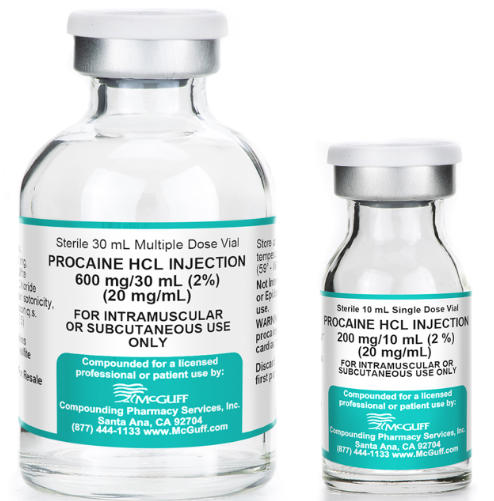
Procaine is typically administered via injection, either intramuscularly or subcutaneously. Its effects can be enhanced by co-administering it with epinephrine, which causes vasoconstriction, prolonging the anesthetic effect and reducing bleeding during procedures. The combination of procaine and epinephrine is particularly useful in surgical settings where minimizing blood loss is critical.
The pharmacokinetics of procaine involve its rapid metabolism in the body. It is broken down by plasma cholinesterase into para-aminobenzoic acid (PABA), which is then excreted in the urine. This rapid metabolism contributes to its relatively short duration of action, making it suitable for procedures requiring brief anesthesia.
Procaine is generally considered safe when used appropriately. However, like all medications, it can cause side effects, including:
- Allergic Reactions: Some individuals may experience allergic reactions to procaine, ranging from mild skin rashes to more severe anaphylactic responses.
- CNS Toxicity: In rare cases, procaine can lead to central nervous system toxicity, resulting in symptoms such as seizures, drowsiness, or confusion.
- Cardiovascular Effects: Procaine can cause cardiovascular side effects, including hypotension, arrhythmias, and in severe cases, cardiac arrest.
Procaine should be used with caution in patients with certain conditions, such as:
- Myasthenia Gravis: Patients with this neuromuscular disorder may be more susceptible to the effects of procaine, leading to increased risk of respiratory depression.
- Patients on Digitalis or Anticholinesterase Drugs: These medications can interact with procaine, leading to adverse effects.
In conclusion, while procaine is not as widely used as it once was, it still holds a place in specific medical applications. Its historical significance and unique properties make it a valuable option in certain contexts. As a manufacturer specializing in biotechnology and pharmaceuticals, we offer OEM services for procaine and other anesthetics. If you are interested in our products or services, please contact us for more information.
Procaine is primarily used as a local anesthetic in dental procedures and some minor surgeries.
Yes, procaine is generally safe when used as directed, but it can cause side effects in some individuals.
Procaine works by blocking sodium channels in nerve cells, preventing pain signals from being transmitted.
Procaine's use has declined due to the availability of newer anesthetics that offer faster onset, longer duration, and fewer side effects.
Yes, procaine can be used in children, but it should be administered by a qualified healthcare professional.
Hot tags: Procaine Uses, Procaine Anesthetic, Is Procaine Still Used, Procaine Alternatives, Procaine Side Effects, Procaine Injection, Procaine in Dentistry, Procaine History, Procaine vs Lidocaine, Procaine Market Trends