Content Menu
>> Side Effects and Precautions
● Comparison with Other Local Anesthetics
● FAQ
>> 1. What are the potential side effects of procaine?
>> 2. How does procaine compare to other local anesthetics like lidocaine?
>> 3. What is the shelf life and storage conditions for procaine hydrochloride?
>> 4. Can procaine be used in combination with other medications?
>> 5. Is procaine safe for all patients?
Procaine, commonly known by its trade name Novocain, is a local anesthetic that has been widely used in medical procedures for decades. Understanding its solubility in water is crucial for its application in various medical and pharmaceutical contexts. This article will explore the solubility of procaine, its chemical properties, uses, and implications for healthcare professionals and manufacturers.
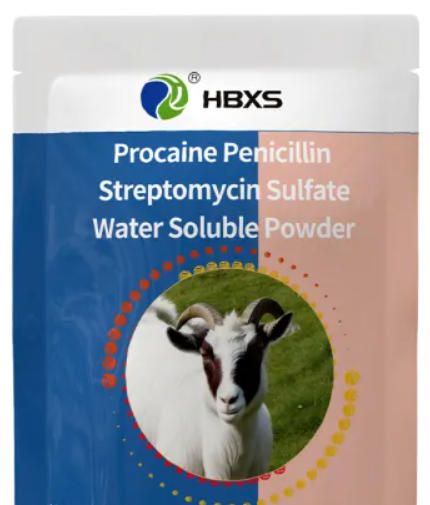
Procaine is an amino ester local anesthetic that was first synthesized in the early 20th century. It is primarily used to induce local anesthesia in dental and surgical procedures. Procaine works by blocking nerve signals in the body, providing pain relief during medical interventions.
The chemical formula of procaine is C13H20N2O2, and it is often found in its hydrochloride form, which enhances its solubility in water. The structure consists of a para-aminobenzoic acid (PABA) derivative, which is essential for its anesthetic properties.
Yes, procaine is water-soluble, particularly in its hydrochloride form. The solubility of procaine hydrochloride in water is approximately 6.81 mg/mL at room temperature. This property is vital for its use in injectable forms, where a clear solution is necessary for effective administration.
- Solubility in Water: Procaine hydrochloride dissolves readily in water, forming a clear solution, which is essential for its use in injections.
- Solubility in Other Solvents: Procaine is also soluble in alcohol but less so than in water. It is almost insoluble in ether, which is important for its formulation in various pharmaceutical products.
Procaine is primarily used in the following areas:
1. Dental Procedures: It is commonly used to numb the area around a tooth during dental work.
2. Surgical Anesthesia: Procaine is utilized for local anesthesia in minor surgical procedures.
3. Pain Management: It can be used to alleviate pain from intramuscular injections, particularly with penicillin.
- Rapid Onset: Procaine provides quick pain relief, making it suitable for various medical applications.
- Low Toxicity: Compared to other anesthetics, procaine has a lower toxicity profile, which is beneficial for patient safety.
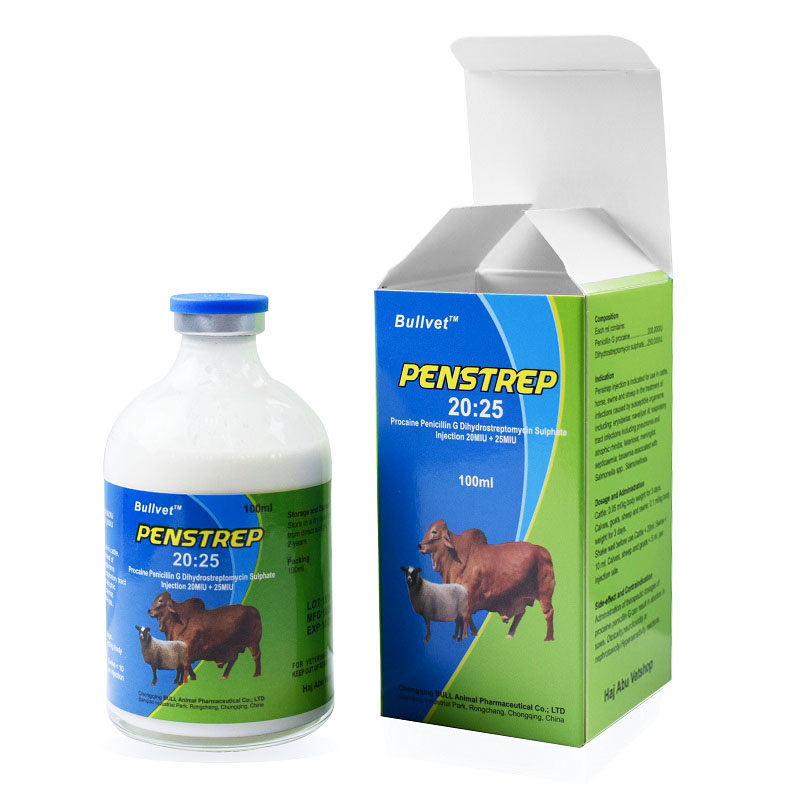
Procaine functions by inhibiting the influx of sodium ions through voltage-gated sodium channels in the neuronal cell membrane. This action prevents the generation and propagation of action potentials, effectively blocking nerve conduction. The result is a localized loss of sensation in the area where procaine is administered.
Procaine is metabolized in the body primarily by plasma esterases, which hydrolyze the ester bond, leading to the formation of para-aminobenzoic acid (PABA) and diethylaminoethanol. The elimination half-life of procaine is relatively short, typically ranging from 40 to 84 seconds, which contributes to its rapid onset and short duration of action.
While procaine is generally considered safe, it can cause side effects in some patients. Common side effects include:
- Allergic reactions, which may manifest as skin rashes or anaphylaxis in rare cases.
- Local irritation at the injection site, including redness and swelling.
- Systemic effects such as dizziness, tinnitus, or seizures, particularly if administered in high doses or inadvertently injected into a blood vessel.
Healthcare providers should be aware of these potential side effects and monitor patients accordingly. It is also essential to conduct a thorough medical history to identify any allergies or contraindications before administering procaine.
Procaine is often compared to other local anesthetics, such as lidocaine and bupivacaine. While procaine has a long history of use, newer agents like lidocaine have largely replaced it in many clinical settings due to their improved efficacy and safety profiles.
- Onset of Action: Lidocaine has a faster onset of action compared to procaine, making it more suitable for urgent procedures.
- Duration of Action: Lidocaine typically provides a longer duration of anesthesia than procaine, which is beneficial for more extended surgical procedures.
- Toxicity: Lidocaine has a slightly higher toxicity potential than procaine, but it is still considered safe when used appropriately.
- Potency: Bupivacaine is more potent than procaine, allowing for lower doses to achieve the same level of anesthesia.
- Duration: Bupivacaine has a significantly longer duration of action, making it ideal for procedures requiring prolonged anesthesia.
In conclusion, procaine is a water-soluble local anesthetic that plays a crucial role in medical and dental practices. Its solubility in water allows for effective formulation in injectable solutions, ensuring rapid and reliable pain relief for patients. As a manufacturer in the biotechnology and pharmaceutical sectors, understanding the properties of procaine can enhance product development and improve patient outcomes.
If you are interested in sourcing high-quality procaine or require OEM services for your pharmaceutical products, please contact us for more information. We are committed to providing top-notch solutions tailored to your needs.
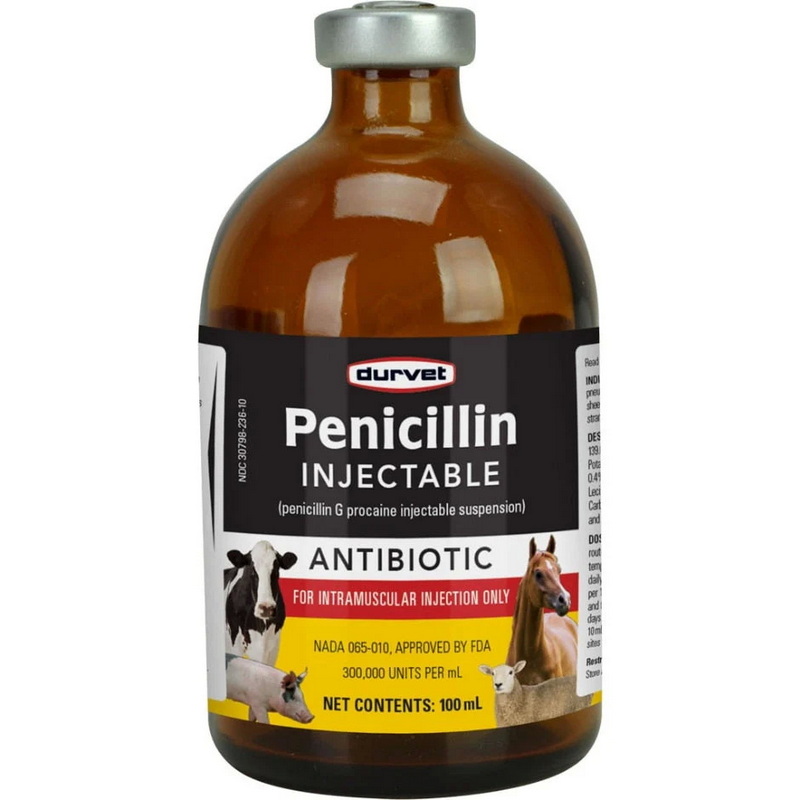
Procaine can cause allergic reactions, local irritation at the injection site, and systemic effects such as dizziness or seizures in rare cases.
Procaine has a slower onset and shorter duration of action compared to lidocaine, which is faster and longer-lasting. Lidocaine is often preferred for urgent procedures.
Procaine hydrochloride should be stored in a cool, dry place, away from light. Its shelf life varies by manufacturer but is typically around 2-3 years when stored properly.
Procaine can be used with other medications, but it is essential to consult a healthcare provider to avoid potential interactions.
While procaine is generally safe, it is crucial to assess each patient's medical history for allergies or contraindications before administration.
Hot tags: Procaine Solubility, Procaine Hydrochloride Properties, Is Procaine Water Soluble, Procaine Uses in Medicine, Procaine Chemical Structure, Procaine Injection Information, Procaine Side Effects, Procaine vs Lidocaine, Procaine Solubility in Water, Procaine Anesthetic Properties