Content Menu
● Understanding Lidocaine and Epinephrine
>> How Does Epinephrine Enhance Lidocaine's Effectiveness?
>> Common Uses of Lidocaine with Epinephrine
● Benefits of Using Lidocaine with Epinephrine
>> Versatility
● FAQs
>> 1. What are the side effects of lidocaine with epinephrine?
>> 2. Can lidocaine with epinephrine be used in all patients?
>> 3. How long does the effect of lidocaine with epinephrine last?
>> 4. Is lidocaine with epinephrine safe for children?
>> 5. What should I do if I experience side effects after receiving lidocaine with epinephrine?
Lidocaine hydrochloride (HCL) is a widely used local anesthetic that provides pain relief during various medical procedures. When combined with epinephrine, a vasoconstrictor, the effectiveness of lidocaine is significantly enhanced. This article explores the reasons behind the injection of lidocaine HCL with epinephrine, its benefits, mechanisms of action, and practical applications in medical settings.
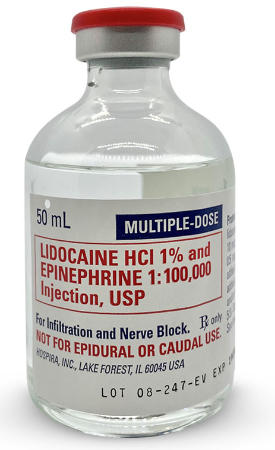
Lidocaine is an amide-type local anesthetic that works by blocking sodium channels in the neuronal membrane, inhibiting the initiation and conduction of nerve impulses. This action results in a temporary loss of sensation in the targeted area, making it invaluable for surgical and dental procedures. Lidocaine is available in various forms, including injectable solutions, topical gels, and patches, allowing for flexibility in its application.
Epinephrine, also known as adrenaline, is a hormone and neurotransmitter that plays a crucial role in the body's fight-or-flight response. In medical applications, it is used to constrict blood vessels, which can help prolong the effects of local anesthetics like lidocaine. The combination of lidocaine and epinephrine is particularly effective in managing pain during procedures that require localized anesthesia.
1. Vasoconstriction: Epinephrine causes blood vessels to constrict, reducing blood flow to the area where lidocaine is injected. This vasoconstriction slows the absorption of lidocaine into the bloodstream, allowing it to remain at the injection site longer and prolonging its anesthetic effect.
2. Increased Duration of Anesthesia: By slowing the systemic absorption of lidocaine, epinephrine extends the duration of anesthesia. This is particularly beneficial in surgical procedures that require prolonged pain relief. The typical duration of anesthesia can be significantly increased, allowing for more complex procedures to be performed without the need for additional anesthetic administration.
3. Reduced Risk of Systemic Toxicity: The combination of lidocaine and epinephrine minimizes the risk of systemic toxicity associated with high doses of lidocaine, as the drug remains localized at the site of injection. This is especially important in patients who may be more susceptible to the side effects of local anesthetics.
4. Enhanced Analgesic Effect: Epinephrine not only prolongs the action of lidocaine but may also enhance its analgesic properties. This synergistic effect can lead to improved pain control during and after surgical procedures.
1. Dental Procedures: Lidocaine with epinephrine is frequently used in dentistry for procedures such as tooth extractions and root canals, providing effective pain control. The combination allows dentists to perform longer procedures without the patient experiencing discomfort.
2. Surgical Procedures: In various surgical settings, this combination is used for local anesthesia during minor surgeries, including skin biopsies, suturing, and even some cosmetic procedures. The ability to control bleeding while providing anesthesia is a significant advantage in these situations.
3. Pain Management: It is also utilized in pain management protocols, particularly for nerve blocks and regional anesthesia. The combination is effective in managing postoperative pain, allowing for quicker recovery times and reduced reliance on systemic opioids.
4. Emergency Medicine: In emergency settings, lidocaine with epinephrine can be used for rapid pain relief in trauma cases or during procedures such as laceration repairs. The quick onset of action and prolonged effect make it a valuable tool for emergency physicians.
5. Plastic and Reconstructive Surgery: Surgeons often use lidocaine with epinephrine to minimize blood loss during procedures. The vasoconstrictive properties of epinephrine help maintain a clear surgical field, which is crucial for precision in reconstructive surgeries.
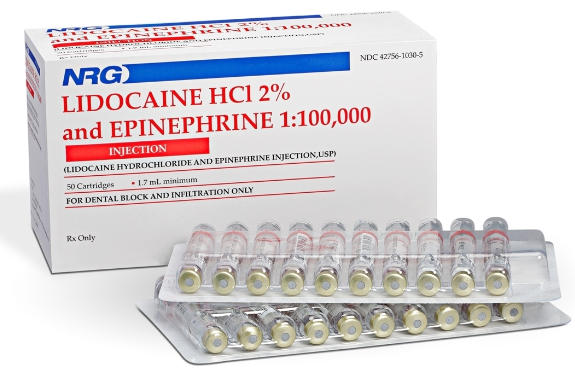
The combination of lidocaine and epinephrine not only prolongs the duration of anesthesia but also enhances the overall efficacy of pain management during procedures. This is particularly important in surgeries that may last longer than expected, as it reduces the need for additional anesthetic doses.
Epinephrine's vasoconstrictive properties help minimize bleeding during surgical procedures, which is crucial for maintaining a clear surgical field. This is especially beneficial in delicate surgeries where precision is paramount.
By providing longer-lasting pain relief, patients experience less discomfort during and after procedures, leading to a more positive overall experience. This can also reduce anxiety associated with medical procedures, as patients are more likely to feel comfortable knowing they will not experience significant pain.
Using lidocaine with epinephrine can be more cost-effective for healthcare providers. By reducing the need for additional anesthetic doses and minimizing complications related to excessive bleeding, healthcare facilities can save on both medication costs and potential extended recovery times.
The combination of lidocaine and epinephrine can be used in a variety of medical settings, from dental offices to surgical theaters. This versatility makes it a staple in the medical community, allowing practitioners to tailor pain management strategies to individual patient needs.
In summary, the injection of lidocaine HCL with epinephrine is a standard practice in medical settings due to its numerous benefits, including prolonged anesthesia, reduced blood loss, and improved patient comfort. This combination is essential for various procedures, making it a valuable tool for healthcare professionals. If you are interested in learning more about our products or how we can assist you with your medical needs, please feel free to contact us for further information.
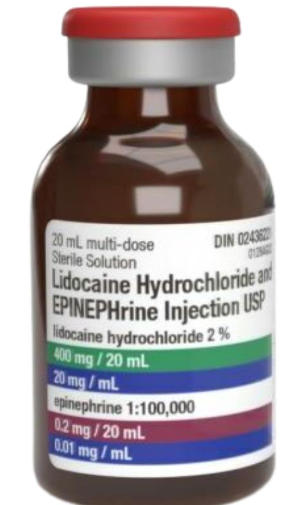
Lidocaine with epinephrine can cause side effects such as increased heart rate, anxiety, and local irritation at the injection site. Serious side effects are rare but can include allergic reactions and cardiovascular issues.
While generally safe, caution is advised in patients with certain conditions such as cardiovascular disease, hypertension, or those taking specific medications that may interact with epinephrine.
The duration of anesthesia can vary but typically lasts between 1 to 3 hours, depending on the concentration used and the specific procedure.
Yes, lidocaine with epinephrine can be used in pediatric patients, but dosages must be carefully adjusted based on the child's weight and medical history.
If you experience any concerning side effects, such as difficulty breathing or severe dizziness, seek medical attention immediately.
Hot tags: Lidocaine HCL Injection Mechanism, Epinephrine in Anesthesia, Local Anesthetic Combinations, Pain Management Strategies, Lidocaine Injection Techniques, Epinephrine Benefits in Surgery, Anesthetic Drug Interactions, Lidocaine and Epinephrine Safety, Injection Site Considerations, Anesthesia Effectiveness