Content Menu
>> How Procaine is Used in Drug Manufacturing
>> The Process of Making Fake Crack
>> Risks Associated with Fake Crack
>> The Role of Adulterants in the Drug Market
● The Broader Context of Drug Adulteration
>> The Impact on Public Health
>> Legal and Regulatory Challenges
>> The Role of Education and Awareness
● FAQ
>> 1. What is Procaine used for?
>> 2. How can I identify fake crack cocaine?
>> 3. What are the risks of using fake crack?
>> 4. Why do dealers use adulterants like Procaine?
>> 5. How can I ensure the quality of the drugs I use?
In the world of illicit drugs, the use of adulterants and cutting agents is a common practice among dealers aiming to maximize profits. One such substance that has garnered attention is Procaine, a local anesthetic that is sometimes mixed with cocaine to create fake crack cocaine. This article delves into the relationship between Procaine and fake crack, exploring its implications, effects, and the broader context of drug adulteration.
Procaine, also known as Novocain, was first synthesized in 1904 and is primarily used as a local anesthetic in medical procedures. It is less toxic than cocaine and can be administered in larger doses. However, its use in the illicit drug market raises significant concerns.
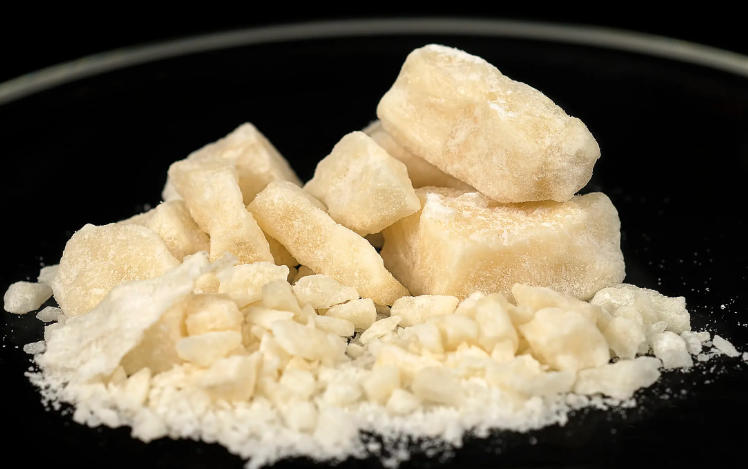
Procaine is sometimes used as a cutting agent in cocaine to mimic the numbing effects of the drug. Dealers may mix it with cocaine to increase volume and profit margins. This practice can lead to dangerous consequences for users, as the effects of Procaine differ significantly from those of cocaine.
The process of creating fake crack cocaine typically involves mixing powdered cocaine with other substances, including Procaine. Genuine crack is made by combining cocaine with baking soda and water, then heating the mixture to form solid chunks. However, when Procaine is added, the resulting product may not only lack the potency of real crack but also introduce new health risks.
Using fake crack that contains Procaine can lead to a range of health issues, including:
- Cardiovascular Problems: Procaine can cause hypotension and arrhythmias.
- Neurological Effects: Users may experience seizures or other neurological disturbances.
- Addiction and Dependency: The presence of Procaine can create a false sense of security, leading users to underestimate the risks associated with consumption.
Identifying fake crack can be challenging, especially for inexperienced users. Here are some tips to help differentiate between real and fake crack:
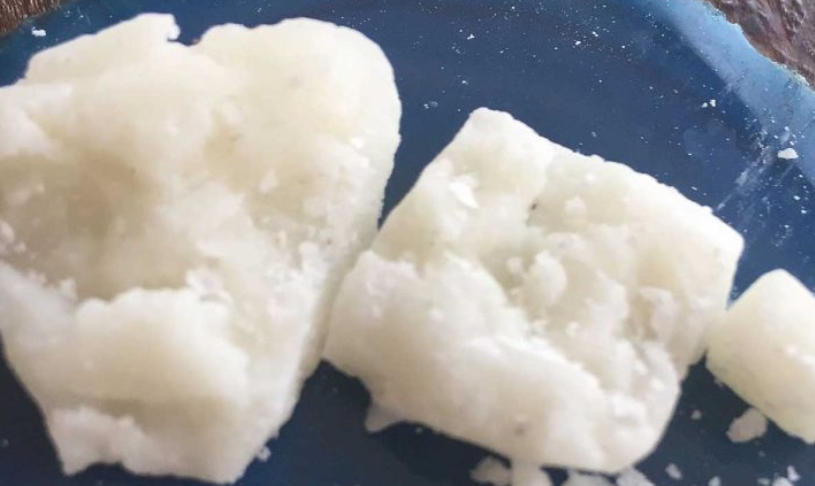
1. Appearance: Genuine crack is typically hard and crystalline, while fake crack may appear softer or have a different texture.
2. Effects: Users should be aware of the expected effects of crack cocaine. If the experience differs significantly, it may indicate adulteration.
3. Testing Kits: There are drug testing kits available that can help identify the presence of Procaine and other adulterants.
Adulterants like Procaine are commonly used in the drug market for several reasons:
- Cost Efficiency: By mixing cheaper substances with more expensive drugs, dealers can increase their profit margins.
- Mimicking Effects: Some adulterants are chosen for their ability to mimic the effects of the primary drug, making the product more appealing to users.
- Market Demand: The high demand for drugs like cocaine and crack creates an environment where adulteration is prevalent.
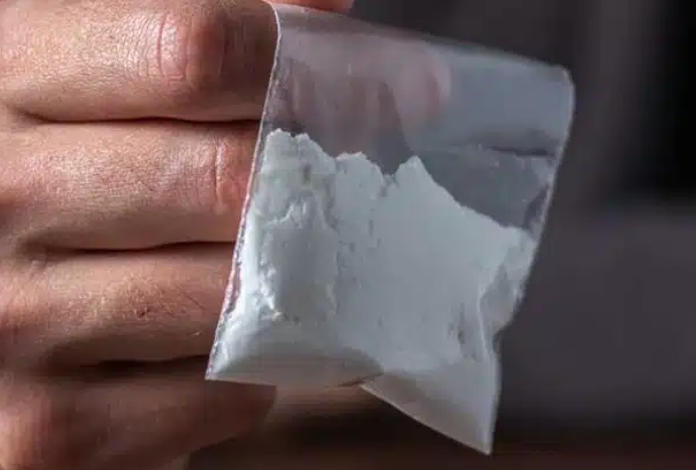
The practice of adulterating drugs is not limited to cocaine and Procaine. Many illicit drugs are cut with various substances to enhance effects, increase volume, or reduce costs. This can include everything from sugars and starches to more dangerous substances like fentanyl or synthetic cathinones, commonly known as "bath salts."
The use of adulterants poses significant risks to public health. Users may be unaware of the substances they are consuming, leading to unexpected and potentially fatal reactions. For instance, the presence of synthetic opioids like fentanyl in counterfeit pills has led to a dramatic increase in overdose deaths in recent years. The opioid crisis has highlighted the dangers of drug adulteration, as users often seek out what they believe to be pure substances, only to find themselves consuming deadly mixtures.
Law enforcement agencies and regulatory bodies face significant challenges in combating drug adulteration. The rapid evolution of drug formulations and the emergence of new synthetic drugs make it difficult to keep up with trends in the illicit drug market. Additionally, the clandestine nature of drug manufacturing means that many adulterants go undetected until they cause harm.
Education and awareness are crucial in addressing the issue of drug adulteration. Users need to be informed about the risks associated with consuming illicit drugs and the potential for adulteration. Public health campaigns can play a vital role in disseminating information about the dangers of drug use and the importance of seeking help for substance use disorders.
For individuals struggling with substance use, seeking help is essential. Numerous resources are available, including hotlines, support groups, and treatment facilities. Professional help can provide the necessary support and guidance to overcome addiction and make informed choices about drug use.
The use of Procaine in the production of fake crack cocaine highlights the dangers of drug adulteration. Users must be vigilant and informed about the substances they consume to avoid potentially life-threatening consequences. If you or someone you know is struggling with substance use, seeking professional help is crucial.
If you are a brand or wholesaler looking for reliable sources of pharmaceutical-grade Procaine or other local anesthetics, contact us today for OEM services tailored to your needs. Our expertise in biotechnology and pharmaceutical manufacturing ensures that you receive high-quality products that meet international standards.
Procaine is primarily used as a local anesthetic in medical procedures, particularly in dentistry.
Look for differences in appearance, effects, and consider using drug testing kits to check for adulterants.
Using fake crack can lead to serious health issues, including cardiovascular problems and addiction.
Dealers use adulterants to increase profits and mimic the effects of more expensive drugs.
The best way to ensure quality is to avoid illicit drugs altogether and seek help if you are struggling with substance use.
Hot tags: Procaine, Fake Crack Cocaine, Cocaine Adulterants, Local Anesthetics, Drug Cutting Agents, Cocaine Effects, Crack Cocaine Identification, Synthetic Cathinones, Drug Manufacturing, Cocaine Addiction Treatment