Content Menu
● Overview of Taltz and Procaine
● Chemical and Pharmacologic Distinctions
● Regulatory and Safety Considerations
● OEM and Manufacturing Implications
● Practical Guidance for Biotech OEM Partners
● Visuals and Media Considerations
● Frequently Asked Questions (FAQ)
>> 1) Is ixekizumab a small molecule or a biologic?
>> 2) Do Taltz and procaine share any mechanism of action?
>> 3) Can a single product contain both ixekizumab and procaine?
>> 4) What should an OEM partner prioritize when handling both classes?
>> 5) How should documentation be organized for international clients?
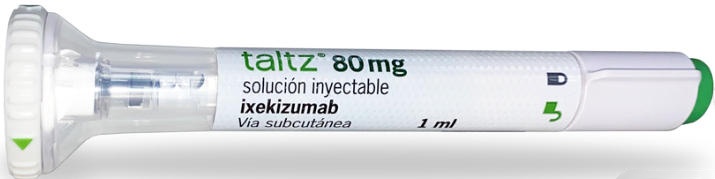
Taltz, whose chemical name is ixekizumab, is a biologic therapy—a humanized monoclonal antibody engineered to target interleukin-17A (IL-17A) and thereby modulate inflammatory pathways implicated in several autoimmune conditions. Procaine, by contrast, is a classic local anesthetic belonging to the ester-type class of small molecules used to numb tissue during procedures. These two agents occupy vastly different therapeutic spaces, chemical classes, and regulatory pathways. The contrast is crucial for biotech OEMs that work across biologics, devices, and combination products, because each stream demands distinct facilities, quality systems, stability programs, and regulatory strategies. The separation of biologic and anesthetic components in a manufacturing portfolio reduces cross-contamination risks and simplifies compliance with international standards. For international partners, clarity on the role, administration, and lifecycle management of each component helps prevent misinterpretation during contract negotiations and tech transfer activities. This foundational distinction underscores how OEM collaborations should structure development pipelines, testing plans, and documentation packages to meet diverse regulatory expectations across regions.
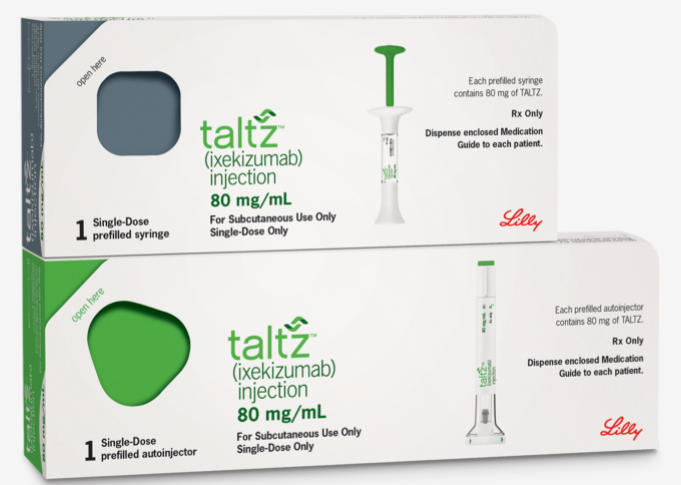
Ixekizumab is designed to bind IL-17A with high affinity, neutralizing its pro-inflammatory signaling and reducing disease activity in skin and joint disorders. Procaine acts by blocking sodium channels to inhibit nerve impulse conduction, providing localized anesthesia. The pharmacologic targets differ entirely: a cytokine-driven inflammatory pathway versus nerve conduction blockade. From a manufacturing perspective, ixekizumab requires recombinant protein expression, rigorous purification, rigorous cold-chain controls, and validated bioassays, whereas procaine requires standard organic synthesis, pharmacopeial-grade excipients, and validated chemical stability appropriate for small-molecule drugs. Such distinctions guide facility design, containment levels, and analytical instrument needs within an OEM setting. The result is parallel but non-overlapping supply chains, quality controls, and regulatory dossiers for each product family. This separation supports clear boundaries for contract development and manufacturing arrangements offered to international brands.
Biologics like ixekizumab carry immunomodulatory safety profiles, including potential infection risk and immune-related adverse events, necessitating robust pharmacovigilance, risk management plans, and device- or product-integrated safety considerations when used in combination products. Local anesthetics such as procaine have toxicity concerns at high systemic exposures and potential allergic reactions, requiring specific toxicology and compatibility testing in combination scenarios. When OEMs pursue projects involving both classes—such as a biologic component paired with a device or a local anesthetic adjunct—clear regulatory strategies must be defined for each stream, with separate submissions or well-structured combination product filings as required by target markets (EU, US, UK, China, etc.). This discipline is essential for maintaining compliance across GMP, GDP, and device quality management system requirements in multi-jurisdictional programs. For manufacturers serving overseas partners, establishing a regulatory map early—detailing which components fall under biologics regulations, which under drug-device or device regulations, and which require combination product approvals—helps streamline market entry and reduces rework during audits.
- Portfolio architecture: If the OEM's competencies span biologics manufacturing and small-molecule or device adjacents, structure the organization into distinct streams with dedicated facilities, personnel, and QA systems. This reduces risk of cross-contamination and simplifies regulatory audits when working with international customers. A clear delineation also avoids conflating process validation or stability data across product classes.
- Quality systems and traceability: Biologics require stringent lot-level traceability, validated analytical methods, and end-to-end chain-of-custody for biologic materials, including cold-chain integrity for fill-finish. Small-molecule or anesthetic components require rigorous chemical stability testing, compatibility assessments, and validated analytical methods appropriate for their chemistry. Coordinating these streams under a unified but compartmentalized QA framework supports efficient tech transfer and faster regulatory clearance.
- Intellectual property and risk management: Freedom-to-operate analyses should consider the specific patent landscapes around biologics, monoclonal antibodies, local anesthetics, and any delivery systems or excipients used in combination products. Proper IP diligence reduces the risk of later disputes and informs contracting and licensing terms with international partners.
- Clear scope definition: When engaging overseas brands, specify whether the project covers biologics development (cell line work, fermentation, purification, formulation, fill-finish, cold-chain management) or small-molecule/extemporaneous device components (synthesis, excipient selection, stability studies, device integration). Document the boundaries in a technology transfer plan and ensure counterpart alignment before starting production activities.
- Regulatory strategy blueprint: Build a region-specific regulatory matrix early, mapping requirements for GMP compliance, pharmacovigilance expectations, device registration, and any required post-approval changes. Include a plan for post-market surveillance and adverse event reporting tailored to each product stream.
- Documentation and data packages: Prepare modular documentation packs that can be assembled into region-specific submissions. For biologics, include process descriptions, validated analytical methods, stability data, and CMC sections. For device-adjacent components, assemble material specs, biocompatibility data, and device integration test results as applicable. This modular approach accelerates regulatory reviews and supplier qualification processes.
- In a finished article, consider including schematics illustrating the IL-17A pathway and the mechanism of action of ixekizumab, as well as diagrams showing how local anesthetics like procaine function at the nerve level. For OEM readers, add process flow diagrams contrasting biologics manufacturing steps with small-molecule synthesis or device assembly workflows. Captions should reference regulatory and QA considerations, and all media must comply with licensing terms. If you wish, a detailed media plan with proposed captions and SEO-friendly alt text can be drafted to accompany the article.
- The relationship between Taltz (ixekizumab) and procaine is defined by their distinct chemical natures, mechanisms of action, and regulatory landscapes. For a China-based OEM serving overseas brands in biotech, pharma, and medical devices, a disciplined portfolio architecture that maintains strict separation between biologics manufacturing and anesthetic or device-related components is essential. This structure enables compliant, high-integrity collaborations with international partners and supports scalable, efficient tech transfer, production, and quality assurance across markets. By maintaining clearly delineated streams, companies can meet diverse regulatory requirements while delivering reliable, end-to-end OEM solutions.
- For international collaborations requiring meticulous biotech, pharmaceutical, and medical device OEM capabilities, partner with a company that can provide end-to-end development, manufacturing, and regulatory navigation while preserving strict stream separation. Contact us to discuss your project scope, regulatory pathway, and a tailored manufacturing plan that aligns with your overseas distribution and quality expectations.
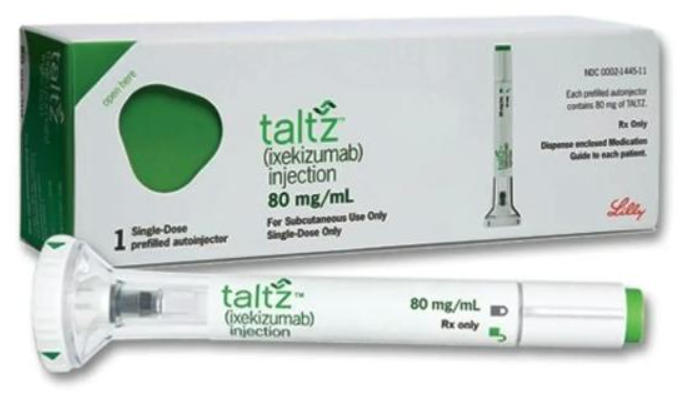
- Ixekizumab is a biologic—a monoclonal antibody—whereas procaine is a small-molecule local anesthetic. The two belong to fundamentally different classes with distinct manufacturing and regulatory requirements.
- No. Taltz targets IL-17A to modulate inflammatory pathways; procaine blocks nerve conduction to achieve local anesthesia. Their pharmacologic actions address different clinical needs.
- In typical practice, combining these into a single therapeutic product would require a formal combination-product regulatory pathway and extensive compatibility validation. Separate manufacturing lines or clearly separated modules are preferred to manage risk.
- Prioritize clear separation of biologic and small-molecule or device components, robust compatibility and stability testing, and region-specific regulatory strategy. Ensure independent QA/QC workflows and audit trails for each stream.
- Use modular documentation packs aligned with the target market's requirements, separating CMC sections for biologics from device or chemical components, and including linkage documents only where appropriate for evidence of integration.
[1](https://en.wikipedia.org/wiki/Ixekizumab)
[2](https://www.clinicaltrialsarena.com/projects/taltz/)
[3](https://taltz.lilly.com/hcp/moa-il17a-igg4)
[4](https://go.drugbank.com/drugs/DB11569)
[5](https://www.ncbi.nlm.nih.gov/books/NBK431088/)
[6](https://www.ema.europa.eu/en/documents/product-information/taltz-epar-product-information_en.pdf)
[7](https://www.accessdata.fda.gov/drugsatfda_docs/label/2016/125521s000lbl.pdf)
[8](https://ec.europa.eu/health/documents/community-register/2020/20200602148236/anx_148236_en.pdf)
[9](https://synapse.patsnap.com/article/what-is-the-mechanism-of-ixekizumab)
[10](https://pdf.hres.ca/dpd_pm/00047545.PDF)
Hot tags: Taltz Procaine Relationship, Taltz Mechanism of Action, Procaine Uses, Taltz Efficacy, Procaine Side Effects, Taltz Dosage Information, Taltz vs Procaine, Taltz Patient Reviews, Procaine Alternatives, Taltz Clinical Trials