Content Menu
● Understanding Lidocaine and Its Mechanism of Action
>> Why Use HCl with Lidocaine?
● Applications of Lidocaine HCl
>> Precautions
● The Future of Lidocaine HCl in Medicine
>> Innovations in Lidocaine Delivery
● FAQ
>> 1. What is lidocaine HCl used for?
>> 2. How does lidocaine work?
>> 3. Are there any side effects of lidocaine HCl?
>> 4. Can lidocaine HCl be used during pregnancy?
>> 5. How is lidocaine HCl administered?
Lidocaine, a widely used local anesthetic, is often administered in the form of its hydrochloride salt, known as lidocaine HCl. This article explores the reasons behind the injection of lidocaine with HCl, its mechanisms, applications, and safety considerations.
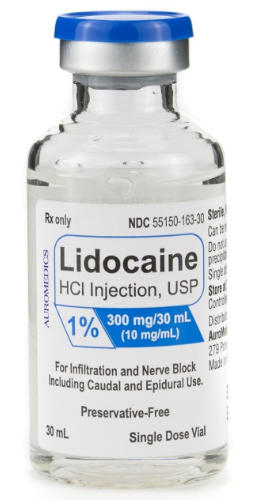
Lidocaine is an amide-type local anesthetic that works by blocking sodium channels in neuronal cell membranes. This action inhibits the initiation and propagation of nerve impulses, leading to a reversible loss of sensation in the targeted area. The addition of hydrochloric acid (HCl) to lidocaine serves several important purposes.
1. Solubility: Lidocaine is more soluble in its hydrochloride form, which allows for easier preparation and administration. This increased solubility is crucial for achieving the desired concentration in injectable solutions.
2. Stability: The hydrochloride salt form enhances the stability of lidocaine, making it less prone to degradation over time. This stability is essential for maintaining the efficacy of the anesthetic during storage and use.
3. pH Adjustment: The pH of lidocaine HCl solutions is typically adjusted to be closer to physiological pH (around 7.4). This adjustment minimizes irritation at the injection site and enhances patient comfort.
4. Rapid Onset of Action: The formulation of lidocaine with HCl allows for a quicker onset of action, which is particularly beneficial in emergency situations where immediate pain relief is necessary.
5. Enhanced Efficacy: The combination of lidocaine and HCl can improve the overall efficacy of the anesthetic, providing better pain control during medical procedures.
Lidocaine HCl is utilized in various medical settings, including:
- Dental Procedures: It is commonly used for local anesthesia during dental surgeries, such as tooth extractions and root canals. The rapid onset and effective pain relief provided by lidocaine HCl make it a staple in dental practices.
- Minor Surgical Procedures: Lidocaine HCl is often employed in minor surgical interventions to provide localized pain relief. Its ability to numb specific areas allows surgeons to perform procedures with minimal discomfort to the patient.
- Epidural Anesthesia: In obstetrics, lidocaine HCl is used for epidural anesthesia during labor and delivery. This application helps manage pain effectively while allowing the mother to remain alert and involved in the birthing process.
- Cardiac Arrhythmias: Lidocaine is also used intravenously to manage certain types of cardiac arrhythmias, stabilizing the heart's electrical activity. This use is critical in emergency medicine, where rapid intervention can be life-saving.
- Topical Anesthesia: Lidocaine HCl can be formulated into creams, gels, or patches for topical application, providing localized pain relief for conditions such as sunburn, insect bites, or minor skin irritations.
Understanding the mechanism of action of lidocaine can enhance its application in clinical settings. Videos demonstrating the pharmacodynamics of lidocaine can be valuable educational tools for healthcare professionals.
While lidocaine HCl is generally safe when used appropriately, it is essential to be aware of potential side effects, which may include:
- Local Reactions: Pain, swelling, or redness at the injection site are common and usually resolve quickly. Proper injection techniques can minimize these reactions.
- Systemic Reactions: Rarely, lidocaine can cause systemic effects such as dizziness, tinnitus, or even seizures if administered in excessive doses. Monitoring patients during and after administration is crucial to ensure their safety.
- Allergies: Patients with a known allergy to amide-type local anesthetics should avoid lidocaine. A thorough allergy history should be taken before administration.
- Medical History: A comprehensive medical history should be obtained to identify any contraindications, such as heart block or severe liver disease. Patients with these conditions may require alternative anesthetic options.
- Dosage Considerations: The dosage of lidocaine HCl should be carefully calculated based on the patient's age, weight, and overall health. Overdosing can lead to serious complications, including cardiovascular and central nervous system toxicity.
- Drug Interactions: Lidocaine can interact with other medications, particularly those that affect liver enzymes. Healthcare providers should review a patient's current medications to avoid potential interactions.

As research continues, the applications of lidocaine HCl are expanding. New formulations and delivery methods are being developed to enhance its effectiveness and reduce side effects. For instance, liposomal formulations of lidocaine are being explored to provide prolonged analgesia with reduced systemic absorption, thereby minimizing the risk of toxicity.
Additionally, the use of lidocaine in combination with other agents, such as epinephrine, is common in surgical settings. Epinephrine can prolong the anesthetic effect of lidocaine by causing vasoconstriction, which reduces blood flow to the area and slows the absorption of lidocaine into the bloodstream.
Recent advancements in drug delivery systems, such as microneedles and transdermal patches, are being investigated to improve the administration of lidocaine. These methods aim to provide more consistent and controlled release of the anesthetic, enhancing patient comfort and satisfaction.
Lidocaine HCl is a vital component in modern medicine, providing effective pain relief across various medical procedures. Its formulation with hydrochloric acid enhances its solubility, stability, and efficacy, making it a preferred choice for healthcare professionals.
If you are a brand owner, wholesaler, or manufacturer looking for reliable OEM services in the biotechnology and pharmaceutical sectors, we invite you to contact us for more information. Our expertise in producing high-quality lidocaine HCl injections can help you meet your business needs.
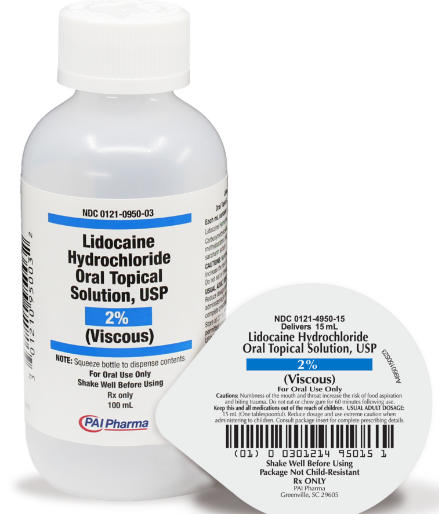
Lidocaine HCl is primarily used as a local anesthetic for dental procedures, minor surgeries, and to manage cardiac arrhythmias.
Lidocaine works by blocking sodium channels in nerve cells, preventing the transmission of pain signals.
Common side effects include local reactions at the injection site, while systemic effects can include dizziness or seizures in rare cases.
Lidocaine HCl is generally considered safe for use during pregnancy, especially for epidural anesthesia, but should always be administered under medical supervision.
Lidocaine HCl can be administered via injection, either locally or intravenously, depending on the medical procedure.
Hot tags: Lidocaine Injection, Lidocaine HCl Uses, Local Anesthetic Mechanism, Lidocaine Side Effects, Lidocaine Dosage Guidelines, Lidocaine HCl Benefits, Lidocaine Injection Procedure, Lidocaine Pharmacology, Lidocaine HCl Injection Safety, Lidocaine HCl Administration