Content Menu
● Mercury in injectable medicines: historical context and current understanding
● Analytical testing, purity, and safety standards for OEM biopharma and medical device manufacturing
● Regulatory perspectives and international considerations for mercury-related safety
● Practical guidance for OEMs: supplier selection, process controls, and documentation
● Implications for your contract manufacturing business
● Building a credible, compliant content strategy for your English-language materials
● FAQ
>> Q2. Are there regulatory limits specific to mercury in parenteral medicines?
>> Q3. How can OEMs ensure supplier quality to minimize mercury risks?
>> Q4. What testing strategies are recommended for ongoing mercury surveillance in manufacturing?
>> Q5. How should a contract manufacturer communicate mercury safety to international customers?
Mercury exposure and its health implications have long been a subject of biomedical research and public health policy. This article surveys the landscape surrounding procaine-based injections, focusing on safety, historical context, and current regulatory perspectives. It also outlines practical considerations for manufacturers offering OEM services in biotechnologies, pharmaceuticals, and medical devices. Throughout, the emphasis remains on evidence-based conclusions and compliance with international safety standards. Readers will find a detailed FAQ at the end, designed to address common questions from brand owners, distributors, and contract manufacturers seeking to understand risk, testing, and regulatory obligations. This article does not advocate for unverified claims; instead, it provides a framework for evaluating mercury‑related concerns in injectable formulations and related products.
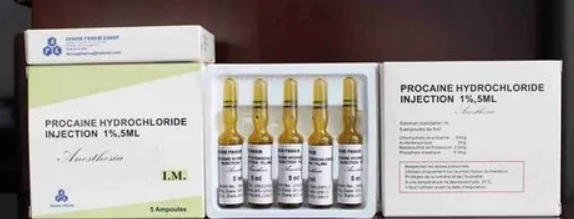
Mercury compounds have a long history in medicine, but modern pharmacopoeia and regulatory regimes largely restrict or prohibit their use in routine clinical preparations. Historically, certain mercurial compounds were employed as antiseptics or preservatives, but rising knowledge about mercury's toxicity prompted shifts toward safer alternatives. In contemporary practice, standard injectable anesthetics and penicillins used in regional anesthesia or infection prophylaxis do not rely on mercury-based compounds as active ingredients. The contemporary focus is on ensuring purity, stability, and biocompatibility of excipients, preservatives, and stabilizers, with stringent testing for heavy metals including mercury. This shift aligns with hazard assessments from international health agencies that classify mercury as a toxic element with potential systemic effects at low exposure levels. For manufacturers and contract service providers, the implication is a heightened emphasis on supplier qualification, impurity profiling, and rigorous analytical testing of raw materials and finished products. For OEMs serving overseas brands, robust quality management systems underpin trust in supply chains and compliance with pharmacopoeial standards. The literature increasingly frames mercury exposure as a risk factor for cardiovascular and neurological outcomes, underscoring the need for meticulous control of elemental contaminants in medical products. This section synthesizes evidence from regulatory assessments and peer‑reviewed research to illuminate the current consensus and remaining uncertainties. While the topic remains nuanced, the prevailing view is that well-regulated pharmaceutical manufacturing minimizes mercury exposure risk to patients and healthcare workers. This is a core consideration for any biotechnological or pharmaceutical OEM operation offering white‑label or contract manufacturing services.[1][2]
A substantial body of research has investigated how mercury exposure interacts with human physiology. Epidemiological and mechanistic studies indicate associations between higher mercury levels and elements of cardiovascular stress, oxidative imbalance, and inflammatory pathways. Potential mechanisms include disrupted antioxidant defenses, such as reduced activity of selenium-dependent enzymes, increased oxidative stress, and vascular endothelial dysfunction. Some studies also explore mercury‑related modulation of lipid metabolism and inflammatory mediators that can contribute to atherogenesis and vascular injury. It is important to interpret these findings in the context of exposure levels, chemical form (elemental, inorganic, or organic mercury), and the presence of other risk factors. For medical device and pharmaceutical manufacturers, this literature highlights the importance of controlling all forms of heavy metals in production environments, supply chains, and final products. Regulatory bodies stress that even trace contaminants can pose safety concerns, particularly in parenteral products or devices that deliver drugs intravascularly or intramuscularly. As such, ongoing materials characterization, supplier auditing, and validated analytical methods are essential components of a robust quality system. Clinicians and engineers alike should rely on high‑quality evidence and approved pharmacopoeias when assessing risk and determining acceptable impurity thresholds.[2][1]
To ensure patient safety and regulatory compliance, manufacturers must implement comprehensive testing for heavy metals, including mercury, across the product lifecycle. This includes raw material qualification, in‑process controls, finished product testing, and stability studies. Methods such as inductively coupled plasma mass spectrometry (ICP-MS) are commonly employed to quantify trace mercury levels in pharmaceutical matrices. Acceptance criteria for impurities are specified in pharmacopoeias and regulatory guidelines, and these criteria vary by product type, route of administration, and regional requirements. For OEM collaborators, a clear quality agreement that outlines testing plan, acceptance criteria, and corrective action procedures is essential. Verification steps should cover supplier certifications, metal impurity profiles, and lot release testing. In addition to mercury, holistic impurity profiling may be warranted to address other heavy metals and potential contaminants, ensuring a comprehensive safety posture. The literature and regulatory guidance emphasize that meticulous control of impurities minimizes risk to patients and supports market access in international supply chains.[4][1]
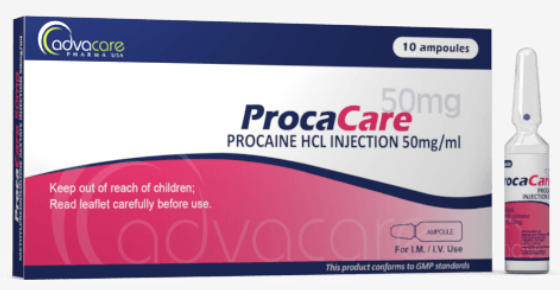
Regulatory landscapes across jurisdictions influence how mercury and other heavy metals are managed in injectable medicines, devices, and diagnostics. Agencies emphasize risk-based approaches, enforce strict impurity limits, and require traceability throughout the supply chain. For contract manufacturers, alignment with Good Manufacturing Practice (GMP), Good Laboratory Practice (GLP), and Good Distribution Practice (GDP) is critical. Documentation, batch record integrity, and change control systems underpin compliance and market confidence. International harmonization efforts, such as those pursued by standard-setting bodies and regional regulatory networks, support consistent safety expectations while allowing for regional adaptations. Manufacturers should stay apprised of updates to pharmacopoeias, environmental health standards, and safety guidelines that affect impurity thresholds and testing methodologies. A proactive, audit-ready stance helps mitigate regulatory risk and facilitates international collaboration with foreign brands and distributors.[3][5][1]
In an OEM context, maintaining product safety involves a triad of supplier management, process controls, and transparent documentation. Key actions include:
- Rigorous supplier qualification, including audits of metallurgical processes and impurity control measures.
- Validation of analytical methods for mercury and other metals, with documented performance characteristics and detection limits.
- Comprehensive risk assessments for each material and stage of production, linking risk mitigation to standard operating procedures.
- Batch traceability and lot numbering that enable rapid recall and accountability.
- Clear deviation management, root cause analysis, and corrective actions tied to preventive measures.
- Regular internal and third‑party audits to verify compliance with GMP and other applicable standards.
For a biotechnological and medical device OEM, integrating these practices with product development cycles ensures that new products entering the market meet safety expectations. The overarching goal is to minimize exposure risk for patients and healthcare workers while enabling efficient, compliant manufacturing for international brands and wholesalers.[5][1][2]
Your facility's value proposition rests on delivering high‑quality OEM services to overseas brands, wholesalers, and manufacturers in biotech, pharmaceuticals, and medical devices. A robust mercury‑related safety program translates into:
- Strong supplier qualification and material purity assurance that reduce the likelihood of heavy metal contamination in finished products.
- Transparent quality documentation and batch records that support regulatory submissions and market access in multiple regions.
- Proactive communication with partners about safety standards, testing results, and remediation plans.
- Clear risk management strategies embedded in product development and lifecycle management, helping customers meet their own regulatory obligations.
- A culture of continuous improvement, backed by data-driven quality metrics and routine audits.
This approach aligns with the growing emphasis on global supply chain integrity and patient safety in international markets. By foregrounding rigorous impurity control and traceability, the OEM position becomes more attractive to brands seeking reliable partners for complex biotechnologies and medical devices.[1][2][5]
As a China-based factory with international OEM capabilities, showcasing expertise in safety, testing, and regulatory compliance is a compelling differentiator in global markets. Content should:
- Present clear, evidence-based claims supported by credible sources.
- Highlight your GMP/ISO-compliant processes and testing capabilities without overpromising.
- Include practical case studies or hypothetical scenarios illustrating how impurity control translates to real-world product safety.
- Integrate a consistent H-tag structure (## for main sections, H3 for FAQ items) to improve readability and SEO performance.
- Use high-quality visuals and video demonstrations of testing, quality control workflows, and process validation, embedded in partner-approved formats and compliant with publishing guidelines.
- Feature a transparent, action-oriented conclusion encouraging inquiries from potential clients, complemented by a succinct, SEO-friendly introductory blurb.
In the landscape of biotechnological and medical device manufacturing, ensuring mercury-related safety and impurity control is not merely a regulatory requirement but a patient safety imperative. A contract manufacturing partner that combines rigorous supplier management, validated analytical methods, and robust documentation with transparent communication stands out in international markets. For brands seeking reliable OEM support in biotech, pharmaceuticals, and medical devices, your capabilities in impurity control and end-to-end quality assurance provide a strong, credible foundation for collaboration. If you are exploring partnerships that emphasize safety, compliance, and global reach, engage with vendors who can demonstrate validated testing programs, traceability, and a proactive approach to risk management.[2][5][1]Contact us to know more!
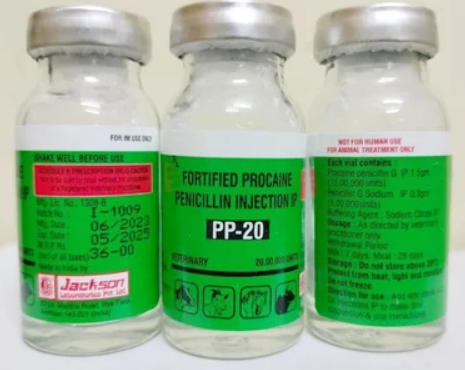
A1. Mercury exposure can occur through impurities in raw materials, process-derived contaminants, or packaging components. Analytical methods such as ICP-MS are commonly used to quantify trace mercury levels in pharmaceutical matrices, with validated detection limits defined by regulatory standards.[1][2]
A2. Regulatory limits for heavy metals, including mercury, vary by jurisdiction and product category. Pharmacopoeias and regulatory guidance specify permissible impurity levels, testing requirements, and documentation needed for product releases and marketing approvals.[3][2][1]
A3. Implement rigorous supplier qualification, including audits, material specifications for purity, and third‑party certificates. Establish clear acceptance criteria, routine in‑house testing, and a robust change control process to address any material deviations.[2][1]
A4. A layered approach combines supplier qualifications, in‑process controls, and finished‑product testing using validated analytical methods (e.g., ICP-MS). Stability studies and environmental monitoring further support impurity control.[1][2]
A5. Provide transparent documentation, including testing results, impurity profiles, and audit outcomes. Offer clear remediation plans for any deviations and maintain open channels for regulatory updates across regions.[5][2][1]
[1](https://pubmed.ncbi.nlm.nih.gov/40076945/)
[2](https://www.ahajournals.org/doi/10.1161/CIRCRESAHA.123.323617)
[3](https://en.wikipedia.org/wiki/Mercury(II)_chloride)
[4](https://admin.greenbook.nafdac.gov.ng/uploadImage/smpc_files/2023/09/06/20230906fd08afd2-edcd-54f0-99da-ee5771b435a4.pdf)
[5](https://www.mcgill.ca/oss/article/medical/study-gets-heart-controversial-chelation-therapy)
Hot tags: Mercury In Procaine Shots, Procaine Injection Safety, Procaine Mercury Content, Risks Of Procaine Injections, Procaine Side Effects, Mercury Injections Health Risks, Procaine Injection Ingredients, Procaine And Mercury Toxicity, Procaine Injection Guidelines, Procaine Hydrochloride Safety