Content Menu
● Procaine as a local anesthetic: identity and action
● Black Box warnings: meaning and regulatory context
● Active ingredient and excipients linked to safety warnings
>> Preservatives and stabilizers
>> Buffers, tonicity adjusters, and excipient considerations
>> Contaminants and impurities
● Adverse reactions and risk factors associated with ingredients
>> Systemic toxicity and methemoglobinemia
>> CNS and cardiovascular risks
>> Allergic and hypersensitivity considerations
● Practical OEM considerations for global markets
>> Sourcing and supplier qualification
>> Labeling, language, and regulatory alignment
>> Storage, handling, and shelf life
● Reading labeling and safety warnings: practical guidance
● FAQs
>> 1. What constitutes a black box warning, and why might Procaine carry one?
>> 2. What are the key ingredients in typical Procaine products that relate to safety warnings?
>> 3. How should Procaine be stored and administered to minimize risk?
>> 4. Are there known drug interactions that amplify risks associated with Procaine?
>> 5. How can manufacturers ensure compliance when exporting Procaine-containing products?
This article examines the ingredients commonly found in Procaine-containing products that may be implicated in Black Box Warnings, the regulatory emphasis on safety, and how OEM manufacturers can navigate labeling, sourcing, and pharmacovigilance when exporting to international markets. The focus is on providing actionable information for foreign brands and wholesalers partnering with OEM providers in the biotechnologies, pharmaceuticals, and medical devices sectors. Strategic emphasis is placed on ensuring conformance with safety labeling, accurate dosing, proper storage, and robust quality control, which are essential for maintaining patient safety while supporting global supply chains. The content herein is designed to help international manufacturers assess ingredient-related safety considerations, read and interpret labeling, and implement compliant manufacturing practices within OEM arrangements.
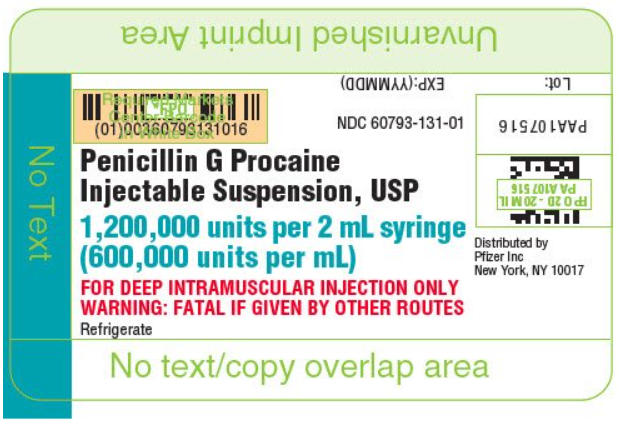
Procaine is a local anesthetic belonging to the ester class. It functions primarily by blocking voltage-gated sodium channels in peripheral nerve membranes, thereby inhibiting the initiation and propagation of action potentials and producing a reversible loss of sensation in the targeted area. The onset and duration of anesthesia depend on factors such as lipid solubility, pKa, concentration, and co-administered vasoconstrictors. A foundational understanding of Procaine's pharmacology informs safety profiles and helps interpret labeling requirements in regulatory contexts. The overall mechanism centers on transient disruption of neuronal excitability, with clinical implications for dosing, tissue penetration, and potential systemic effects when used improperly or in sensitive patient populations. This section lays the groundwork for interpreting why certain ingredients and formulation choices contribute to warnings and cautions on product labels.
A Black Box Warning is the strongest warning required by regulatory agencies on the labeling of certain drugs to highlight serious or life-threatening risks. For local anesthetics such as Procaine-containing formulations, the presence of a Black Box Warning reflects concerns about systemic toxicity, methemoglobinemia, CNS or cardiovascular complications, and potential interactions with other medications or disease states. International labeling standards may vary, but the core intent remains: inform prescribers, pharmacists, and patients about the most severe potential adverse outcomes and the necessary precautions in storage, dosing, and administration. When OEM manufacturers formulate products for global markets, aligning packaging and labeling with these safety imperatives is essential. The warning language, dosing guidance, and contraindications must be accurately conveyed in each target language and regulatory jurisdiction, with clear instructions for professional administration and emergency management.
The active pharmaceutical ingredient in Procaine-containing products is typically Procaine hydrochloride or Procaine base, sometimes supplied as a gel, ointment, or injectable formulation. The specific salt form can influence pharmacokinetics, tissue diffusion, and potential immunologic or idiosyncratic reactions. In the context of Black Box Warnings, the focus is on ensuring appropriate concentration, compatible diluents or buffers, and avoidance in patients with known hypersensitivities or risk factors for methemoglobinemia. Accurate representation of the active ingredient in labeling and batch records supports traceability and regulatory compliance across international supply chains.
Many Procaine-containing products include preservatives or stabilizers to extend shelf life or prevent microbial contamination. Common preservatives (where used) and stabilizers can influence safety profiles, particularly in sensitive populations or when products are applied via mucosal surfaces or open tissues. The presence and concentration of these excipients are relevant to the risk of local irritation, systemic exposure, and potential chemical interactions. Labeling should clearly identify all active and inert ingredients, including preservative types and concentrations, to enable clinicians and pharmacists to assess compatibility with other medications and patient comorbidities.
Formulations may incorporate buffers, tonicity adjusters (such as saline), and other excipients to optimize pH and osmolarity for patient comfort and efficacy. While these components are not typically the primary drivers of Black Box Warnings, improper formulation, improper storage, or inappropriate administration can contribute to adverse outcomes. Clear labeling of these components supports safe use in diverse healthcare settings and aids pharmacovigilance activities in multi-country supply chains.
Regulatory agencies require rigorous control of impurities in injectable or topical anesthetic products. Contaminants or degradation products can pose safety risks and influence the severity or likelihood of adverse events. OEM manufacturers must implement robust supplier qualification, lot-level testing, and stability studies to minimize the presence of harmful impurities. Labels should reflect quality control measures and any applicable testing standards to ensure consumer safety across markets.
Systemic toxicity from local anesthetics can occur with excessive dosing, rapid absorption, or inadvertent intravascular administration. Methemoglobinemia is a rare but serious risk associated with certain local anesthetics and related compounds, particularly in susceptible individuals or when high doses are used. Clinicians and OEM partners must ensure clear dosing guidelines, appropriate concentration, and robust pharmacovigilance to detect early signs of systemic toxicity. Labeling should emphasize dose limits, contraindications, and emergency management steps.
Overdosage or rapid systemic absorption can lead to CNS stimulation or depression, seizures, arrhythmias, or cardiovascular collapse in severe cases. Providers should be aware of potential drug interactions that may exacerbate these effects, such as concurrent CNS depressants or vasodilatory agents. Clear labeling and dosing controls help mitigate these risks in international markets.
Hypersensitivity to ester-type local anesthetics or components within the formulation may occur in a minority of patients. OEM manufacturers should ensure that allergen information is clearly communicated and that appropriate alternative options are available for sensitive populations. Accurate patient history taking and labeling that guides clinicians can reduce the risk of allergic reactions.
Maintaining a robust supplier qualification program ensures that all ingredients meet quality standards and regulatory requirements across target markets. Documentation should cover supplier audits, Certificates of Analysis, batch records, and impurity profiles. OEM arrangements should specify verification steps for active ingredients and excipients to align with Black Box Warning safety expectations.
International OEM collaborations require precise translation and localization of warnings, dosing instructions, contraindications, and emergency guidance. Labeling must reflect jurisdiction-specific regulatory requirements, including font size, pictograms, and packaging language. Clear, compliant labeling reduces the risk of misinterpretation and enhances patient safety.
Optimal storage conditions prevent degradation and preserve safety margins of Procaine products. Shelf-life data, recommended temperatures, light protection, and moisture controls should be explicitly stated on packaging and accompanying inserts. Proper handling is essential in multi-country supply chains to minimize quality drift.
The article references a range of visuals such as structure diagrams, mechanism of action schematics, and safety flowcharts. In the final draft, these placeholders should be replaced with licensed or in-house media, including captions that explain how to interpret the warnings, how to apply the information in clinical or manufacturing settings, and how to verify labeling for export.
In conclusion, understanding the ingredients involved in Procaine formulations and their relationship to Black Box Warnings is essential for safe clinical practice and compliant manufacturing for international markets. OEM partners should emphasize rigorous sourcing, transparent labeling, thorough pharmacovigilance, and proactive risk communication to support patient safety while enabling reliable cross-border distribution. The integration of verified data, high-quality media, and locale-specific packaging standards will empower manufacturers to deliver safe, effective Procaine-containing products to global customers. For OEM inquiries and regulatory-supported manufacturing solutions, institutions and brands are encouraged to contact the supplier partner for confidential discussions and collaboration opportunities.
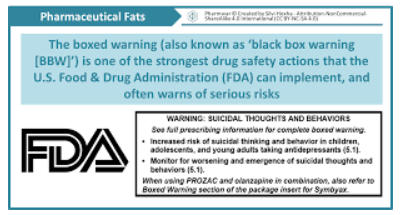
Answer: A Black Box Warning is the most prominent safety notice required by regulators to alert about life-threatening risks. Procaine-containing products may have such warnings due to potential systemic toxicity, risk of methemoglobinemia, interactions with other drugs, and serious adverse events. Clinicians and manufacturers should follow strict dosing guidelines, monitor patients, and ensure appropriate emergency readiness.
Answer: The active ingredient (Procaine base or Procaine hydrochloride) is central to safety considerations. Excipients such as preservatives, buffers, tonicity adjusters, and stabilizers also influence tolerability and safety profiles. Accurate ingredient disclosure supports risk assessment, drug interaction checks, and regulatory compliance.
Answer: Follow manufacturer-prescribed storage conditions (temperature, light exposure, moisture control), dosing regimens, and administration routes recommended in labeling. Avoid intravascular injection, ensure proper technique, and monitor for early signs of systemic toxicity. Emergency management protocols should be readily accessible in clinical and manufacturing settings.
Answer: Interactions with CNS depressants, vasodilators, or medications affecting cardiac conduction can increase risk of adverse outcomes. Clinicians should review patient medications and conditions before administration. For OEM operations, ensure labeling communicates interaction cautions to physicians and pharmacists.
Answer: Implement rigorous supplier qualification, accurate and localized labeling, traceability, pharmacovigilance, and post-market surveillance across jurisdictions. Maintain robust quality systems, batch testing, and clear communication channels with distributors to support regulatory compliance and patient safety.
[1](https://go.drugbank.com/drugs/DB00721)
[2](https://www.sciencedirect.com/topics/neuroscience/procaine)
[3](https://www.ncbi.nlm.nih.gov/books/NBK551556/)
[4](https://en.wikipedia.org/wiki/Procaine)
[5](https://pubchem.ncbi.nlm.nih.gov/compound/Procaine)
[6](https://www.chemicalbook.com/article/procaine-hydrochloride-mechanism-of-action-clinical-applications-and-side-effect.htm)
[7](https://www.hmdb.ca/metabolites/HMDB0014859)
[8](https://www.ema.europa.eu/en/documents/mrl-report/procaine-summary-report-committee-veterinary-medicinal-products_en.pdf)
[9](https://magistralbr.caldic.com/storage/product-files/1590302101.pdf)
Hot tags: Procaine Ingredients, Black Box Warning Procaine, Procaine Side Effects, Procaine Uses, Procaine Safety Information, Procaine Drug Interactions, Procaine Anesthetic Properties, Procaine FDA Warning, Procaine Allergic Reactions, Procaine Precautions