Content Menu
● What Are the Ingredients in Procaine Injection?
>> Excipients and Formulation Variants
● Formulation Variability and Regional Differences
● Mechanism of Action and Pharmacology (Overview)
● Production and OEM Considerations
● Applications and Market Considerations
● Quality Assurance and Compliance (Expanded)
● Conclusion and Call to Action
● FAQ
>> 1. What is the active ingredient in procaine injection, and how does it work?
>> 2. Which excipients are commonly found in procaine injections?
>> 3. How do regional regulatory differences affect procaine injection formulations?
>> 4. What quality controls are essential for OEM manufacturing of procaine injectables?
>> 5. What considerations should be addressed when planning international distribution?
Procaine injection is a well-established local anesthetic used in a range of clinical settings to produce rapid, reversible numbness in a targeted area. For biotechnology companies, pharmaceutical manufacturers, and medical device firms engaged in OEM/ODM collaborations, understanding the ingredient profile, formulation variations, and manufacturing considerations of procaine injections is essential. This article explains the core active ingredient, common excipients, formulation differences across regions, and the implications for quality, regulatory compliance, and supply-chain management. Readers will gain a comprehensive view of what goes into a procaine injection, how the formulation affects performance and safety, and what OEM partners should address when planning production for international markets.
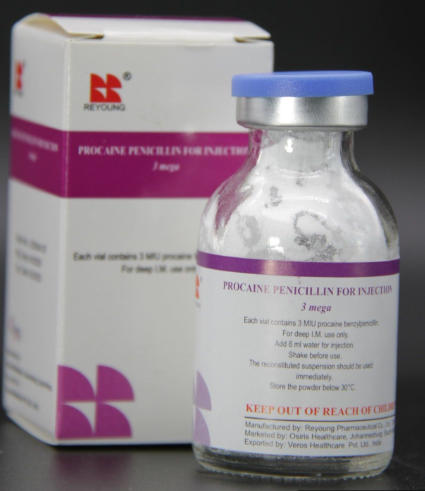
Procaine, also known as procaine hydrochloride in many commercial products, is an ester-type local anesthetic. It works by blocking voltage-gated sodium channels in nerve membranes, thereby inhibiting the initiation and propagation of nerve impulses. Clinically, procaine is used for infiltrative anesthesia and regional blocks, and it is often combined with vasoconstrictors in certain procedures to modulate absorption and duration. The pharmacological profile, onset, and duration of action can be influenced by the specific formulation, the presence of adjuncts, and the tissue vascularity at the injection site. Specialists should recognize that regulatory labeling, recommended dosages, and approved indications vary by country and by the specific product variant, underscoring the importance of consulting the official product label and regulatory guidance for each formulation. For OEM teams, this variability translates into careful alignment of product specifications, stability data, and packaging to meet regional requirements.
- Procaine hydrochloride is the primary active anesthetic component in most injectable formulations. Depending on the product, the base form or salt form may be used to achieve suitable solubility and stability for injection. The concentration of procaine determines the onset and duration of anesthesia in combination with tissue factors and any co-administered vasoconstrictors.
- Solvents and buffers: Aqueous buffers and water-for-injection serve as the solvent medium, with buffering agents adjusted to achieve a physiologically tolerable pH, typically in the mildly acidic range. The pH influences both drug stability and tissue tolerance.
- Tonicity adjusters: Saline or other tonicity modifiers are used to achieve isotonic solutions, reducing irritation and ensuring compatibility with tissues at the injection site.
- Preservatives: Multi-dose vials may include preservatives (for example, chlorobutanol or similar agents) to maintain sterility during use. Some single-dose presentations may be preservative-free.
- Antioxidants: Antioxidants are included in certain formulations to protect the active drug from oxidative degradation, thereby preserving potency during shelf life.
- Chelating agents and stabilizers: In some products, chelating agents help stabilize metal ions that could catalyze degradation, while stabilizers support overall formulation robustness.
- Vasoactive adjuncts: In procedures where prolonged action is desired, vasoconstrictors such as epinephrine may be co-formulated or supplied separately to slow systemic absorption and extend local effects. The presence and concentration of vasoconstrictors vary by market, indication, and regulatory approvals.
- Diluents and suspending agents: For injectable suspensions, suspending agents ensure uniform distribution of the active component. The exact agents depend on the formulation type and manufacturing process.
- Sterile filtration aids and packaging materials: Process-related additives ensure sterility and compatibility with the vial closure system, stopper materials, and fill volumes. The choice of packaging influences stability and handling during distribution.
- Across brands and regions, ingredient lists can differ due to regulatory approvals, investor requirements, and local pharmacopoeias. Some markets favor preservative-free presentations for single-use doses, while others permit specific preservatives for multi-dose vials. Excipients are selected to optimize stability, minimize irritation, and comply with regional safety standards.
- Labeling requirements demand precise disclosure of all ingredients, including any residual solvents, impurities, and particulates. OEM collaborations should ensure that product specifications, batch records, COAs, and safety documentation reflect the exact formulation intended for each market.
- For contract manufacturers, harmonizing manufacturing processes with regional regulatory expectations is critical. This includes validation of sterilization methods, aseptic filling, in-process controls, and stability testing under consistent storage conditions.
- Procaine exerts its local anesthetic effect by reversibly inhibiting voltage-gated sodium channels, preventing action potential propagation along nerve fibers. The onset of anesthesia and duration are influenced by the formulation (e.g., presence of vasoconstrictors), tissue vascularity, and patient-specific factors such as age, pregnancy, and concomitant medications.
- Pharmacokinetics vary with route and tissue site. Ester-type anesthetics like procaine are hydrolyzed by cholinesterases; the rate of metabolism affects both duration and potential systemic exposure. Clinicians balance rapid onset with adequate duration while monitoring for potential adverse reactions.
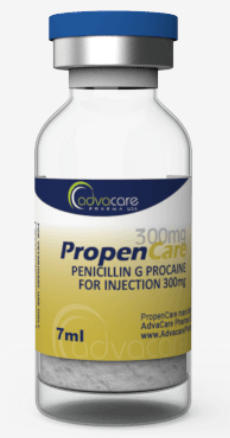
- GMP and QA standards: High-quality procaine injectable products require rigorous adherence to Good Manufacturing Practices, with validated aseptic filling, sterility testing, endotoxin limits, and traceability for each batch. Consistency in particle size for suspensions, uniform drug distribution, and reliable fill volumes are essential for patient safety and regulatory compliance.
- Stability testing: Comprehensive studies under accelerated and real-time conditions determine shelf life, storage conditions, and packaging integrity. Stability data support regulatory submissions and inform distribution strategies across climate zones.
- Impurity control: Tertiary and secondary impurities are monitored through validated analytical methods. OEM partners must define acceptable impurity profiles aligned with pharmacopoeial or regulatory standards and ensure robust purification steps.
- Sterility and pyrogen testing: Sterility assays and endotoxin testing are mandatory for injectable products. For multi-dose vials, closure integrity and container-closure systems are evaluated to prevent contamination.
- Regulatory alignment: Product approvals and labeling depend on regional agencies (for example, EFSA, FDA, EMA, or national authorities). Documentation should include full ingredient lists, manufacturing processes, analytical methods, packaging specs, and safety data sheets.
- Packaging and logistics: Packaging choices influence stability and regulatory acceptance, as well as cold-chain requirements. Temperature-controlled transport and appropriate labeling reduce the risk of potency loss and ensure patient safety upon administration.
- Clinical usage: Procaine injections are employed in various settings requiring local anesthesia, including dental procedures, minor surgical interventions, and regional nerve blocks. The exact indications are governed by regulatory approvals and clinical guidelines in each market.
- Comparative context: When selecting an anesthetic, clinicians consider onset time, duration, allergenicity, and patient history. Procaine is one option among ester and amide local anesthetics, each with its own pharmacokinetic profile and safety considerations.
- Market dynamics: Global demand, supply-chain resilience, and the growth of contract manufacturing services influence OEM opportunities. For biotech and medical device companies, partnering with experienced manufacturers can accelerate development timelines while ensuring regulatory compliance and consistent quality.
- Documentation suite: Certificates of Analysis (COA), Certificates of Compliance, and stability data accompany each lot. Comprehensive labeling, safety data sheets (SDS), and handling instructions support safe distribution and use.
- Risk management: A formal risk assessment identifies potential failure modes, such as contamination, incorrect labeling, or deviations during aseptic filling. Corrective and preventive actions (CAPAs) are implemented to mitigate recurrence.
- Labeling and language: Multilingual labeling and region-specific insert materials meet local requirements. Packaging must reflect accurate ingredient disclosures and storage instructions.
- Post-market surveillance: Feedback loops for adverse events, device-related issues, or product complaints support continuous improvement and regulatory adherence.
This article has provided a detailed look at the ingredients, formulation considerations, regulatory expectations, and OEM dynamics for procaine injections. For international brands, wholesalers, and manufacturers seeking reliable, compliant OEM production of procaine injectable products, partnering with an experienced Chinese manufacturing partner can offer end-to-end capabilities—from formulation guidance and quality assurance to global regulatory readiness and supply-chain resilience. Interested parties are invited to contact the OEM team for collaboration opportunities, custom formulations, regulatory support, and scalable manufacturing solutions.
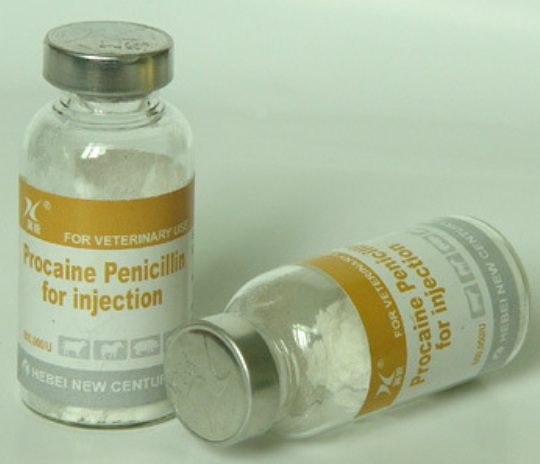
Answer: The active ingredient is procaine (often as hydrochloride salt in injectable form). It blocks sodium channels on nerve membranes, preventing nerve impulse conduction and producing local anesthesia. This effect depends on formulation, site of injection, and co-administered agents.[10]
Answer: Common excipients include buffering agents, tonicity adjusters, preservatives in multi-dose vials, antioxidants, stabilizers, and, in some formulations, vasoconstrictors like epinephrine to modify absorption and duration. The exact excipients vary by brand and region.[11]
Answer: Regional regulations influence permissible excipients, preservative use, labeling requirements, and packaging. OEM production must align ingredient lists, documentation, and quality controls with the target market's pharmacopoeia and regulatory guidelines.[12]
Answer: Essential controls include aseptic filling, sterility testing, endotoxin testing, stability studies, batch traceability, COAs, impurity profiling, and validated packaging integrity. Ongoing quality assurance supports safety and regulatory compliance.[13]
Answer: Considerations include cold-chain logistics where required, accurate multilingual labeling, regulatory submissions for each market, pharmacovigilance processes, and robust supplier qualification to ensure consistent supply and compliance across regions.[14]
[1](https://patents.google.com/patent/US20060058280A1/en)
[2](https://patents.google.com/patent/CN102366399A/en)
[3](https://labeling.pfizer.com/showlabeling.aspx?id=718)
[4](https://www.sciencedirect.com/science/article/abs/pii/S0022354915430849)
[5](https://iasj.rdd.edu.iq/journals/uploads/2025/05/26/cae5a33429ca65ed297d238c80a8b699.pdf)
[6](https://patents.google.com/patent/DE925375C/en)
[7](https://www.advacarepharma.com/en/pharmaceuticals/procaine-hcl-injection)
[8](https://rwandafda.gov.rw/wp-content/uploads/2025/06/FORTIWIN-4-Procainebenzylpenicillin3,000,000I.UandBenzylpenicillinsodium1,000,000I.UPowderforinjection-PIL.pdf)
[9](http://onlinelibrary.wiley.com/doi/10.1002/jps.2600690326/pdf)
[10](https://dailymed.nlm.nih.gov/dailymed/fda/fdaDrugXsl.cfm?setid=c80c810a-60e0-49bd-139c-95aec3a286fc)
[11](https://www.supplybenzocaine.co.uk)
[12](https://admin.greenbook.nafdac.gov.ng/uploadImage/smpc_files/2023/10/09/20231009a15a0988-d4dc-5002-a8c8-9d025bb5cefe.pdf)
[13](https://www.made-in-china.com/manufacturers/wholesale-procaine-benzocaine.html)
[14](https://en.wikipedia.org/wiki/Procaine)
Hot tags: Procaine Injection Ingredients, Procaine Hydrochloride Composition, Local Anesthetic Components, Procaine Uses and Effects, Procaine Injection Side Effects, Procaine Dosage Information, Procaine Injection Safety, Procaine Injection Mechanism, Procaine Injection Benefits, Procaine Injection Precautions