Content Menu
● Introduction to Penicillin G Procaine
● What Infections Does Penicillin G Procaine Treat?
>> 1. Syphilis
>> 2. Anthrax
>> 3. Respiratory Tract Infections
>> 4. Skin and Soft Tissue Infections
>> 6. Cellulitis and Animal Bites
● Side Effects and Precautions
● Frequently Asked Questions (FAQ)
>> 1. What types of bacteria does Penicillin G Procaine target?
>> 2. How is Penicillin G Procaine administered?
>> 3. What are the common side effects of Penicillin G Procaine?
>> 4. Can Penicillin G Procaine be used during pregnancy?
>> 5. What should I do if I experience an allergic reaction?
Penicillin G Procaine, a combination of procaine and penicillin G, is a widely used antibiotic known for its effectiveness against various bacterial infections. This article delves into the specifics of what Penicillin G Procaine targets, its mechanism of action, and its applications in treating infections.
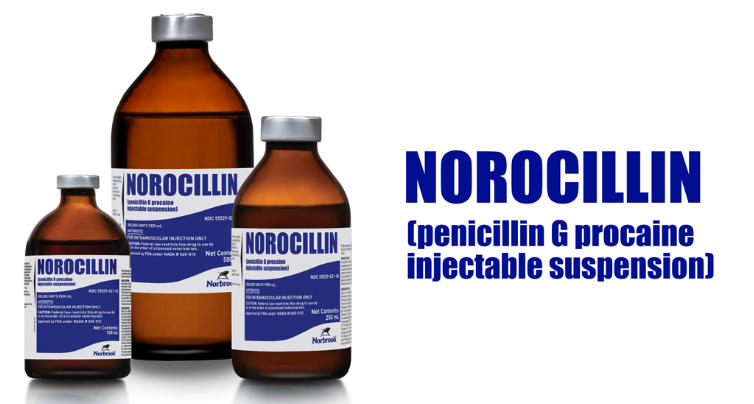
Penicillin G Procaine is a beta-lactam antibiotic that is particularly effective against Gram-positive bacteria. It is commonly used in clinical settings to treat a variety of infections, including those caused by Streptococcus pneumoniae, Streptococcus pyogenes, and certain strains of Staphylococcus aureus.
Penicillin G Procaine works by inhibiting the synthesis of bacterial cell walls. It binds to penicillin-binding proteins (PBPs) located within the bacterial cell wall, disrupting the cross-linking of peptidoglycan chains. This action weakens the cell wall, leading to bacterial lysis and death.
Penicillin G Procaine is the first-line treatment for all stages of syphilis. It effectively targets the causative agent, Treponema pallidum. The treatment regimen typically involves a single intramuscular injection, which is highly effective in eradicating the infection.
This antibiotic is also used in the treatment of anthrax, particularly in cases of inhalational anthrax, where it helps to combat the severe bacterial infection caused by Bacillus anthracis. The use of Penicillin G Procaine in anthrax treatment is critical, especially in post-exposure prophylaxis.
Penicillin G Procaine is effective against various respiratory infections, including pneumonia and otitis media, particularly those caused by Streptococcus pneumoniae. Its ability to penetrate respiratory tissues makes it a valuable option for treating these infections.
It is used to treat skin infections caused by susceptible strains of Staphylococcus and Streptococcus. Conditions such as cellulitis and abscesses can be effectively managed with Penicillin G Procaine, especially when the causative bacteria are known to be sensitive to penicillin.
The antibiotic is also effective against Corynebacterium diphtheriae, the bacterium responsible for diphtheria. In cases of diphtheria, timely administration of Penicillin G Procaine can prevent severe complications and promote recovery.
Penicillin G Procaine can be used to treat cellulitis and infections resulting from animal bites, where bacterial contamination is a concern. Its broad-spectrum activity against Gram-positive bacteria makes it suitable for these types of infections.
Penicillin G Procaine is administered via intramuscular injection. The dosage varies based on the type and severity of the infection. For example, the typical dosage for treating syphilis is 2.4 million units administered once, while more severe infections may require higher doses.
In cases of severe infections, healthcare providers may opt for a higher frequency of administration, ensuring that therapeutic levels of the antibiotic are maintained in the bloodstream. The pharmacokinetics of Penicillin G Procaine allow for sustained release, which is beneficial in managing chronic infections.

While Penicillin G Procaine is generally well-tolerated, it can cause side effects, including:
- Allergic Reactions: Some patients may experience allergic reactions, ranging from mild rashes to severe anaphylaxis. It is crucial for healthcare providers to assess patients for any history of penicillin allergies before administration.
- Gastrointestinal Disturbances: Common side effects include nausea, vomiting, and diarrhea. These symptoms are usually mild but can be bothersome for some patients.
- Central Nervous System Effects: At high doses, Penicillin G Procaine can cause central nervous system effects, including anxiety, confusion, and seizures. Monitoring is essential, especially in patients receiving high doses or those with pre-existing neurological conditions.
- Jarisch-Herxheimer Reaction: This reaction can occur when treating syphilis, characterized by fever, chills, and exacerbation of symptoms shortly after treatment initiation. It is a result of the rapid lysis of bacteria and the release of endotoxins.
Patients with a history of penicillin or procaine allergies should avoid this medication. Additionally, caution is advised in patients with renal impairment, as dosage adjustments may be necessary to prevent toxicity.
Penicillin G Procaine remains a vital tool in the treatment of various bacterial infections. Its effectiveness against a wide range of pathogens makes it an essential antibiotic in clinical practice. If you are a healthcare provider or a pharmaceutical company looking for reliable sources of Penicillin G Procaine, we invite you to contact us for OEM services tailored to your needs.
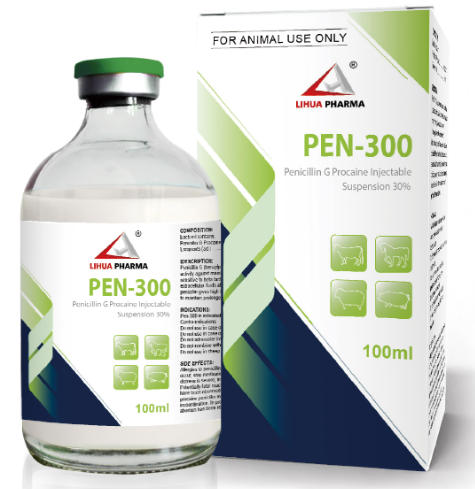
Penicillin G Procaine primarily targets Gram-positive bacteria, including Streptococcus pneumoniae and Staphylococcus aureus.
It is administered via intramuscular injection, with dosages varying based on the infection being treated.
Common side effects include allergic reactions, gastrointestinal issues, and central nervous system effects.
Penicillin G Procaine is generally considered safe during pregnancy, but it is essential to consult a healthcare provider.
If you experience symptoms of an allergic reaction, such as difficulty breathing or swelling, seek immediate medical attention.
Hot tags: Penicillin G Procaine Uses, Penicillin G Procaine Infections, What Does Penicillin G Treat, Penicillin G Procaine Antibiotic, Bacterial Infections Penicillin G, Penicillin G Procaine Mechanism, Penicillin G Procaine Side Effects, Penicillin G Procaine Dosage, Penicillin G Procaine Resistance, Penicillin G Procaine Spectrum