Content Menu
● Main Medical Uses of Benzocaine
>> Ear Pain and Otic Formulations
>> Hemorrhoids and Anorectal Discomfort
>> Pre‑Procedure Mucosal Anesthesia
>> Sexual Health and Premature Ejaculation Products
>> Veterinary and Laboratory Applications
● Dosage Forms and Formulation Options
● Safety, Side Effects, and Precautions
● Industrial, API, and OEM Uses
>> Finished‑Dosage OEM and Private Label
>> Regulatory and Quality Support
● Application Scenarios for Brand Owners
● FAQ
>> 1. What conditions is benzocaine commonly used to treat?
>> 2. Is benzocaine safe for children?
>> 3. How long does benzocaine's numbing effect last?
>> 4. Can benzocaine be combined with other active ingredients?
>> 5. What should brand owners consider when sourcing benzocaine from OEM manufacturers?
Benzocaine is a fast‑acting local anesthetic widely used to relieve minor pain and itching on the skin, in the mouth and throat, in the ear canal, and on mucous membranes before medical procedures. It is also formulated into many over‑the‑counter (OTC) gels, sprays, creams, and lozenges, and can be supplied in bulk as an API or as finished OEM products for pharmaceutical, cosmetic, and personal‑care brands.
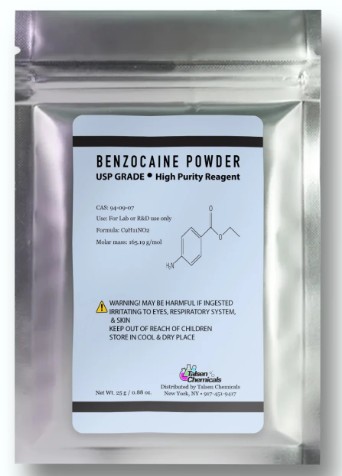
Benzocaine is an ester‑type local anesthetic, chemically known as the ethyl ester of p‑aminobenzoic acid (PABA). It was introduced in the early twentieth century as one of the first synthetic surface anesthetics and remains widely used because of its strong topical effect and relatively low systemic absorption.
As a lipophilic compound with poor water solubility, benzocaine is particularly suitable for topical formulations that need to remain at the surface rather than diffusing deeply into tissues or the bloodstream. This profile makes it attractive for OTC products and for brands that want reliable symptom relief while maintaining a good safety margin when products are used according to directions.
Benzocaine works by reversibly blocking voltage‑gated sodium channels in peripheral sensory nerves. These channels are essential for the initiation and propagation of action potentials; when they are blocked, sodium ions cannot flow into the neuron, and the nerve cannot depolarize or transmit pain or itch signals.
Because benzocaine is uncharged at physiological pH, it readily partitions into the lipid‑rich neuronal membrane and reaches its binding site on the inner portion of the sodium channel. The onset of action is typically rapid—often within seconds to a couple of minutes—while the effect is localized to the area of application and usually lasts several minutes, depending on concentration and dosage form.
Benzocaine is used across multiple therapeutic areas due to its broad topical anesthetic profile and ease of formulation. The most common clinical and OTC uses include oral and throat pain relief, dermatologic indications, ear pain, hemorrhoid care, and pre‑procedure anesthesia on mucous membranes.
In dentistry and general practice, benzocaine is a staple for short‑term relief of oral and pharyngeal discomfort. It is the active ingredient in many gels, pastes, solutions, and lozenges used for:
- Mouth ulcers (canker sores)
- Minor gum inflammation and irritation from braces or dentures
- Toothache before definitive dental treatment
- Sore throat and pharyngeal irritation from infections or mechanical strain
By numbing the surface of the mucosa, benzocaine allows patients to eat, drink, and speak more comfortably while the underlying cause is treated or naturally resolves. Some dental practitioners also apply concentrated benzocaine gels directly to the mucosa before injections to reduce needle insertion pain.
For pharyngeal use, benzocaine throat sprays and lozenges provide focused relief along the posterior oropharyngeal wall, which is particularly useful when swallowing is painful. Many products pair benzocaine with flavoring agents and soothing excipients to improve patient acceptance and encourage correct use.
Benzocaine is widely used for symptomatic relief of minor skin pain and itching caused by everyday incidents and dermatologic conditions. Common OTC indications include:
- Sunburn and mild thermal burns
- Insect bites and stings
- Minor cuts, scrapes, and abrasions
- Irritant or allergic contact dermatitis from plants and chemicals
- Minor skin irritation around hemorrhoids or anal fissures
Topical creams, lotions, and sprays deliver a thin anesthetic layer over the affected area, reducing discomfort during daily activities. Formulators often incorporate emollients, humectants, and anti‑inflammatory components to support barrier repair and reduce redness alongside the anesthetic effect.
Otic benzocaine drops, frequently combined with antipyrine or other agents, are used to relieve ear pain associated with otitis media and external ear irritation. They can also help reduce discomfort during earwax removal procedures, either at home or in clinical settings.
The liquid formulation allows the anesthetic to contact the sensitive skin of the external auditory canal, leading to noticeable relief within a short timeframe. Correct patient positioning and dosing are important to ensure adequate contact time while minimizing leakage.
Many hemorrhoid creams, ointments, and suppositories use benzocaine to reduce pain, soreness, burning, and itch in the anal and perianal region. These products often combine benzocaine with vasoconstrictors, astringents, protectants, or corticosteroids to address both symptoms and local inflammation or swelling.
Because anorectal tissue is highly innervated and sensitive, even low doses of benzocaine can produce meaningful symptom relief, improving quality of life and adherence to other medical or lifestyle measures recommended for hemorrhoid management.
In hospitals and clinics, benzocaine sprays, gels, or solutions are used to anesthetize accessible mucosal surfaces before diagnostic or therapeutic procedures. Examples include:
- Throat anesthesia before awake endotracheal intubation
- Oropharyngeal and laryngeal anesthesia before endoscopy or bronchoscopy
- Local anesthesia in the mouth for minor dental interventions
- Topical anesthesia of the esophagus or upper gastrointestinal tract prior to instrumentation
The rapid onset and localized action help improve patient comfort and cooperation, reducing the need for heavier sedation in suitable cases. Clinicians carefully control dose and exposure time, especially for large surface areas, to minimize the risk of systemic absorption and methemoglobinemia.
Some condoms and topical sprays designed to help manage premature ejaculation incorporate low concentrations of benzocaine to slightly reduce penile sensitivity. The goal is to prolong intravaginal ejaculation latency time while maintaining pleasurable sensation for both partners.
Manufacturers must carefully titrate benzocaine strength and release characteristics; overly strong anesthesia can reduce sexual satisfaction, while excessively weak formulations may not achieve the desired delay. Regulatory frameworks for such products can vary between markets, so formulation and labeling must be tailored accordingly.
In veterinary medicine and laboratory research, benzocaine and its derivatives are used as immersion anesthetics for certain aquatic animals and amphibians. Specific bath concentrations provide controlled depth of anesthesia for minor procedures or, at higher doses, humane euthanasia.
Animal‑use protocols are highly regulated and require species‑appropriate dosing, monitoring, and documentation. For OEM suppliers, offering benzocaine in suitable grades and documentation packages helps support compliant use in research and veterinary products.
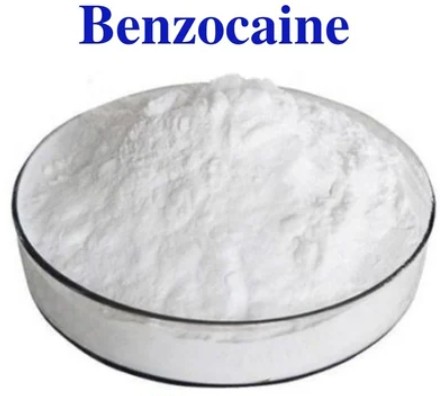
Benzocaine's physicochemical properties support a wide variety of dosage forms, enabling brands to target multiple indications and consumer preferences. Typical formats include:
- Gels and pastes for oral mucosa and dental use
- Creams, ointments, and lotions for dermatologic indications
- Aerosol sprays for throat, skin, and anorectal areas
- Lozenges and troches for sore throat relief
- Otic solutions and suspensions for ear conditions
Concentrations vary depending on route and regulatory status, with many skin products in the 10–20% range and oral products formulated to balance efficacy with safety and taste. For example, throat sprays and lozenges often contain lower doses per unit, as they are designed for repeated use throughout the day.
From a manufacturing perspective, benzocaine is available in different particle‑size grades, such as 50 mesh, to optimize dissolution, suspension stability, and mouthfeel in the final formulation. Selection of excipients—such as solvents, co‑solvents, emulsifiers, and film‑forming agents—allows fine control over onset, duration of effect, and product aesthetics.
When applied appropriately to intact skin or mucosa, benzocaine is generally well tolerated, but safety considerations are critical for both product developers and end users. Typical local side effects include transient burning, stinging, redness, or mild irritation at the application site.
Two more serious risks, although rare, are particularly important:
- Methemoglobinemia: Benzocaine can, in susceptible individuals or at high doses, oxidize hemoglobin to methemoglobin, which cannot carry oxygen effectively. Signs include cyanosis (blue or gray skin, lips, or nail beds), shortness of breath, fatigue, headache, and tachycardia; severe cases require urgent medical treatment. - Hypersensitivity reactions: As a PABA‑derived ester anesthetic, benzocaine may trigger allergic contact dermatitis or, rarely, systemic hypersensitivity in individuals sensitive to PABA or related compounds. Patch testing or careful monitoring may be necessary for patients with known anesthetic allergies.
Regulatory agencies and clinical guidelines recommend several precautions to mitigate these risks:
- Avoiding benzocaine oral products in children under 2 years old unless specifically directed by a healthcare professional.
- Not using benzocaine on large, extensively damaged, or heavily inflamed areas of skin, which can increase systemic absorption. - Respecting maximum recommended dosing frequency (often no more than 3–4 times per day) and total daily amount.
- Stopping use and seeking medical attention if symptoms of methemoglobinemia or severe allergy occur.
For brands and OEM partners, robust pharmacovigilance, clear warnings, and age‑appropriate dosage recommendations are key elements of responsible product design and labeling.
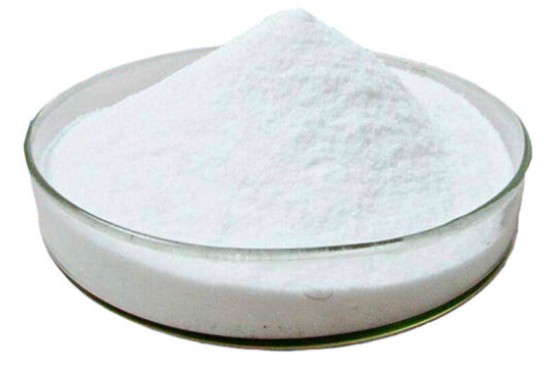
Beyond individual consumer products, benzocaine is an important active pharmaceutical ingredient in the global supply chain for topical anesthetics. OEM and contract‑manufacturing partners play a central role in turning raw benzocaine into finished products that meet diverse regulatory and market needs.
Benzocaine can be produced in bulk as a purified crystalline API, complying with pharmacopoeial standards and supported by detailed quality documentation. Buyers typically require:
- Consistent assay and impurity profiles
- Defined particle‑size distributions
- Comprehensive Certificates of Analysis (COA) and, where applicable, Drug Master File (DMF) support
Reliable API sourcing allows downstream manufacturers to maintain quality and continuity of supply for multiple product lines.
For many international brand owners, wholesalers, and chain retailers, partnering with an experienced OEM factory enables rapid expansion of benzocaine‑based product portfolios. Typical cooperation models include:
- Turnkey development of new benzocaine creams, gels, sprays, lozenges, or ear drops under the client's brand
- Reformulation or optimization of existing products for better stability, sensory properties, or regulatory compliance
- Multi‑SKU product families covering oral, skin, ear, and hemorrhoid indications tailored to local markets
Factories with integrated R&D, pilot‑scale facilities, and large‑scale GMP workshops can support everything from lab‑scale formulation screening to full commercial production and packaging.
International distribution of benzocaine products requires a strong regulatory and quality foundation. OEM partners commonly provide:
- GMP and ISO quality management certifications
- Product technical dossiers and stability data
- Support documents for registration in target countries or regions
This comprehensive support helps clients reduce time‑to‑market and focus on market positioning, branding, and channel development rather than building manufacturing capacity from scratch.
For companies considering introducing or expanding benzocaine‑containing product lines, typical application scenarios include:
- Launching a coordinated family of oral pain‑relief products (gels, sprays, and lozenges) targeting pharmacies and online channels
- Adding benzocaine‑based sunburn and insect‑bite relief products to an existing dermatology or outdoor‑care portfolio
- Developing hemorrhoid creams and wipes for markets with growing demand for discreet, effective OTC anorectal solutions
- Offering private‑label benzocaine products to supermarket or drugstore chains that want to compete with established brands
By working closely with an experienced OEM manufacturer, clients can customize concentration, dosage form, packaging design, and even fragrance or flavor, ensuring alignment with local consumer preferences and regulations.
Benzocaine is a versatile, fast‑acting local anesthetic used worldwide to relieve minor pain and itching in the mouth, throat, skin, ears, and anorectal region, and to support various minor medical procedures on mucous membranes. Its favorable topical profile, ease of formulation, and broad OTC acceptance make it a core active ingredient for many pharmaceutical, cosmetic, and personal‑care brands focused on everyday symptom relief.
In addition to its clinical and consumer‑level benefits, benzocaine is an essential API in international OEM and private‑label portfolios, enabling brand owners and distributors to rapidly build or upgrade product lines with strong value propositions. Partnering with a specialized Chinese factory that integrates R&D, production, strict quality control, and flexible OEM services can shorten development cycles, improve cost‑effectiveness, and provide comprehensive regulatory support.
For global brand owners, wholesalers, and manufacturers who wish to explore customized benzocaine formulations, bulk API supply, or full‑service OEM cooperation tailored to specific markets, contacting an experienced benzocaine supplier for a detailed consultation and quotation is an effective first step toward building competitive, trusted product lines.
Benzocaine is commonly used to temporarily relieve pain and itching caused by mouth ulcers, sore throat, toothache, gum irritation, minor burns, sunburn, insect bites, scrapes, and hemorrhoids. It is also used as a topical anesthetic before certain medical and dental procedures on mucous membranes, such as endoscopy or minor dental interventions.
Many health authorities advise against using benzocaine oral products in children under 2 years old because of the risk of methemoglobinemia, a rare but serious blood disorder affecting oxygen transport. For older children, benzocaine products may be used according to label directions or physician guidance, avoiding excessive dosage, frequent re‑applications, and use on large or damaged areas.
The numbing effect of benzocaine usually begins within minutes and often lasts around 10 minutes for many topical formulations, although the exact duration depends on the concentration, dosage form, and application site. Users should follow each product's instructions regarding maximum frequency of application to avoid irritation or systemic side effects.
Yes, benzocaine is frequently combined with other active ingredients, such as antipyrine in ear drops, menthol and antiseptics in sore throat lozenges, or vasoconstrictors and protectants in hemorrhoid formulations. These combinations can enhance overall symptom relief and broaden the therapeutic profile, but they must be formulated, tested, and labeled in line with local regulatory requirements.
Brand owners should prioritize OEM partners with GMP‑certified facilities, proven quality systems, and consistent control of benzocaine purity and particle size, along with complete documentation such as COA and, where appropriate, DMF support. It is also important to choose partners who can assist with formulation development, stability studies, and regulatory registration in target markets, ensuring that finished benzocaine products meet both technical and commercial goals.
Hot tags: Benzocaine Uses, Benzocaine Pain Relief, Benzocaine Side Effects, Benzocaine Topical Application, Benzocaine for Teething, Benzocaine Oral Gel, Benzocaine Safety Information, Benzocaine Dosage Guidelines, Benzocaine Methemoglobinemia Risk, Benzocaine Local Anesthetic