Content Menu
● Overview of Procaine Penicillin
>> What is Procaine Penicillin?
>> Administration and formulation
● Safety, Side Effects, and Precautions
>> Allergies and contraindications
● Regulatory and Quality Considerations for OEM Partners
>> OEM collaboration essentials
● Practical Guidance for OEM/B2B Partnerships
>> QA, stability, and compatibility
>> Collaboration best practices
>> Image and video placements and alt-text ideas
● Conclusion and Call to Action
● FAQ
>> 1. What is Procaine Penicillin, and how does it work?
>> 2. What are common indications for Procaine Penicillin?
>> 3. What safety considerations should OEM partners observe?
>> 4. How is Procaine Penicillin administered?
>> 5. What should buyers look for in GMP-compliant suppliers?
Procaine penicillin typically refers to a combination product that pairs penicillin G benzathine or penicillin G procaine with procaine. The procaine component slows absorption, creating a prolonged therapeutic window after intramuscular injection. This combination is designed to maintain effective penicillin levels in tissue over an extended period, reducing the need for frequent dosing. Clinically, it is used to treat certain bacterial infections where sustained penicillin exposure provides a therapeutic advantage. The term can appear in various formulations and brand names, so it is critical to verify the exact composition and dosing before use or procurement. In OEM contexts, sourcing clarity, regulatory clearances, and robust quality systems are essential to ensure product consistency and patient safety.
Penicillin G, discovered in the early 20th century, established the foundation of modern antibacterial therapy. Procaine was introduced as an anesthetic adjunct in some penicillin formulations to extend the duration of action, enabling longer intervals between injections. The integration of procaine with penicillin G broadened the clinical utility of injectable penicillin, particularly in regions with limited access to healthcare facilities where frequent dosing is impractical. Over time, formulations have evolved, and regulatory standards have tightened to emphasize safety, purity, and traceability in manufacturing.
The clinical relevance of procaine penicillin hinges on delivering a stable, extended-release penicillin exposure to combat specific infections while balancing safety. In many markets, penicillin G procaine-containing products serve roles in treating syphilis, certain respiratory and skin infections, and as adjuncts in select cases of serious infection where conventional dosing would be burdensome. However, indications, dosing, and product naming vary by country and regulatory body. Consequently, clinicians and procurement teams must rely on official prescribing information and regulatory approvals for each product.
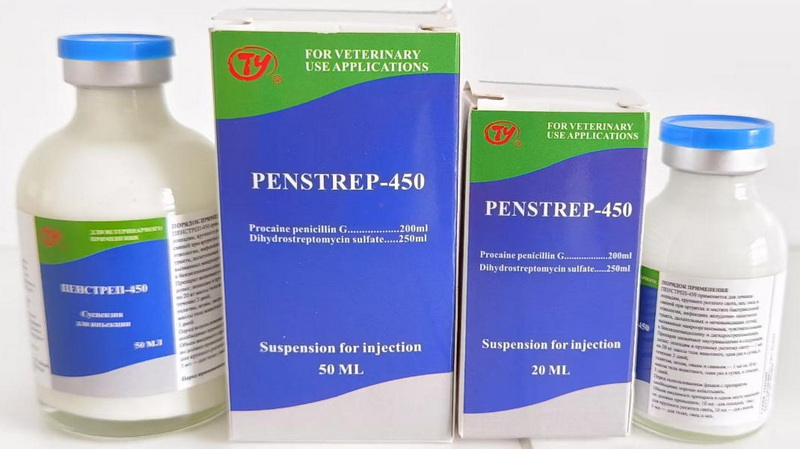
Procaine penicillin has historically been used for several bacterial infections where sustained penicillin exposure is beneficial. Representative indications include:
- Syphilis (with caution around dosing and formulation; modern regimens vary by region)
- Respiratory tract infections where adherence to oral therapy is challenging
- Cellulitis and erysipelas
- Adjunctive therapy in certain severe infections when standard penicillin regimens are not feasible
- In some contexts, adjunctive use in certain soft tissue and systemic infections
Indications are contingent on the specific product formulation, regional guidelines, and regulatory approvals. Clinicians and procurement teams should consult current prescribing information and regulatory documentation for exact indications and dosing.
Penicillin G procaine contributes its antibacterial effect by inhibiting bacterial cell wall synthesis, a mechanism shared by beta-lactam antibiotics. The procaine component acts primarily as a slow-release agent, extending the duration of penicillin exposure in tissue after intramuscular administration. This combination aims to maintain therapeutic concentrations over a longer period, supporting bacterial kill and clinical response while reducing administration frequency. The pharmacokinetics are influenced by tissue perfusion, injection technique, and formulation specifics, reinforcing the need for precise manufacturing controls and proper clinical use.
Administration is typically via intramuscular injection, with dosing and interval guided by the product's official labeling. The injectable suspension is usually supplied in prefilled syringes or vials, and administration requires trained personnel to ensure correct site, aseptic technique, and monitoring for adverse reactions. In OEM settings, formulation stability, sterility, and compatibility with delivery devices are critical considerations to ensure product safety and efficacy across markets.
- Injection-site pain or soreness
- Local inflammation or irritation
- Allergic reactions ranging from mild rash to anaphylaxis in susceptible individuals
- Rare hematologic or systemic reactions
As with all penicillins, hypersensitivity remains a principal concern. Developers and healthcare providers should screen patients for known penicillin allergies and have emergency protocols in place for potential reactions.
Allergy to penicillin is a major contraindication for penicillin-containing products. A history of procaine allergy or severe injectable reactions should also inform contraindication decisions. In prenatal and lactation contexts, regulatory guidance should be consulted to assess maternal and fetal safety.
- Pregnancy and lactation: Penicillin G compounds are generally considered compatible with pregnancy when clinically indicated, but product-specific labeling should guide use.
- Renal impairment: Dose adjustments may be necessary for patients with impaired renal function; monitoring for accumulation and toxicity is essential.
- History of severe hypersensitivity or anaphylaxis: Avoidance is recommended, with alternative therapies considered.
Manufacturers supplying procaine penicillin for OEM use must adhere to Good Manufacturing Practice (GMP) standards, with rigorous raw material qualification, sterile manufacturing processes, endotoxin testing, and validated cleaning procedures. Comprehensive batch release documentation, stability data, and traceability from raw materials to finished products are essential. Change control, deviation management, and robust CAPA (corrective and preventive action) systems underpin ongoing compliance and product quality.
Depending on jurisdiction, procaine penicillin may be regulated as an antibiotic, a sterile injectable, or a combination product. Regulatory frameworks impact approval pathways, labeling requirements, and post-market surveillance. OEM manufacturers should maintain up-to-date knowledge of local and international regulatory expectations and ensure product dossiers reflect current guidelines.
Clear specifications, including exact composition, potency, excipients, container-closure systems, and expiration dating, are critical. Documentation such as COAs, MSDS, and regulatory certificates should be readily available. Supplier qualification, auditing, and ongoing quality assurances are foundational for successful global partnerships.
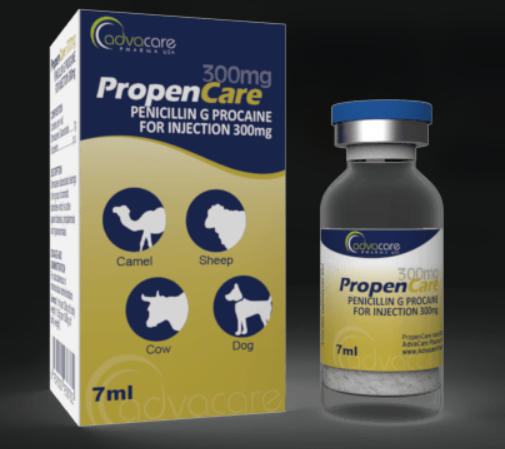
- Select suppliers with proven GMP credentials, robust supplier audits, and traceability of raw materials.
- Ensure compliance with export controls, sanctions lists, and international trade regulations.
- Establish clear lead times, minimum order quantities, and contingency plans for supply disruptions.
- Implement stability programs under varied storage conditions and climates to determine shelf-life and storage requirements.
- Verify compatibility with common excipients, diluents, preservative systems, and delivery devices (syringes, vials).
- Maintain rigorous handling and transportation standards to preserve sterility and potency.
- Establish upfront communication channels, defined points of contact, and transparent documentation workflows.
- Align on regulatory expectations across target markets and maintain up-to-date product dossiers.
- Foster an ongoing partnership approach with joint quality improvement and regulatory readiness.
- Place media in sections discussing mechanism, administration, and QA. Use captions that reinforce keywords like “Procaine Penicillin” and “OEM GMP.”
- Alt-text examples: “Penicillin G procaine injection vial,” “diagram of procaine penicillin mechanism,” “GMP manufacturing facility exterior.”
- Offer transcripts or on-screen text for videos to improve accessibility and SEO.
Procaine penicillin remains a historically important long-acting penicillin formulation with niche but meaningful applications in infectious disease management. For OEM partners in biotech, pharmaceuticals, and medical devices, sourcing from GMP-compliant manufacturers with robust QA, clear technical specifications, and transparent regulatory dossiers is essential to delivering safe, effective products across global markets. If pursuing reliable OEM collaborations for Penicillin G procaine products, engage early with suppliers who can provide complete batch records, stability data, and regulatory certificates, and align your procurement with local and international regulatory expectations. For inquiries, quotations, or technical discussions about OEM manufacturing, regulatory readiness, and supply-chain planning, contact us to initiate a detailed partnership assessment.
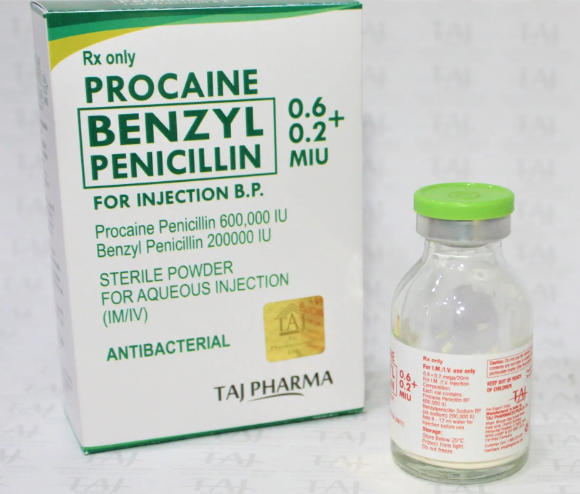
Procaine penicillin is a long-acting antibiotic combination that pairs penicillin G with procaine to extend tissue exposure, enhancing antibacterial activity through sustained release.
Indications include certain syphilis regimens, select respiratory and soft tissue infections, and adjunctive use in specific systemic infections, with exact uses defined by regulatory labeling in each region.
Key considerations include penicillin allergy screening, adherence to GMP/QA standards, proper storage and handling, and regulatory compliance for each market.
Administration is usually intramuscular, with dosing intervals defined by the product label and clinical guidelines; careful injection technique and monitoring are essential.
Look for verified GMP certification, traceability of raw materials, robust QA programs, stability data, and transparent regulatory documentation.
[1](https://en.wikipedia.org/wiki/Procaine_benzylpenicillin)
[2](https://medlineplus.gov/druginfo/meds/a615052.html)
[3](https://my.clevelandclinic.org/health/drugs/18945-penicillin-g-benzathine-penicillin-g-procaine-injection)
[4](https://reference.medscape.com/drug/penicillin-g-procaine-999572)
[5](https://www.ncbi.nlm.nih.gov/books/NBK551556/)
[6](https://www.pediatriconcall.com/drugs/procaine-penicillin/898)
[7](https://www.webmd.com/vitamins/ai/ingredientmono-391/procaine)
[8](https://www.mims.com/hongkong/drug/info/procaine-benzylpenicillin?mtype=generic)
Hot tags: Procaine Penicillin Uses, Procaine Penicillin Side Effects, Procaine Penicillin Dosage, Procaine Penicillin Injection, Procaine Penicillin Antibiotic, Procaine Penicillin Mechanism, Procaine Penicillin Treatment, Procaine Penicillin Allergies, Procaine Penicillin vs Benzathine, Procaine Penicillin for Syphilis