Content Menu
● What Happens If You Ingest Procaine?
>> Long-Term Effects of Procaine Ingestion
>> Medical Advice and Precautions
>> Conclusion
● FAQs
>> 1. Is procaine safe to take orally?
>> 2. What should I do if I accidentally ingest procaine?
>> 3. What are the common side effects of procaine?
>> 4. Can procaine cause serious health issues?
>> 5. How is procaine typically administered?
Procaine, a local anesthetic commonly used in medical settings, is primarily administered via injection. However, the question arises: what happens if someone ingests procaine orally? This article delves into the effects, risks, and considerations associated with the oral consumption of procaine, providing a comprehensive overview for readers.
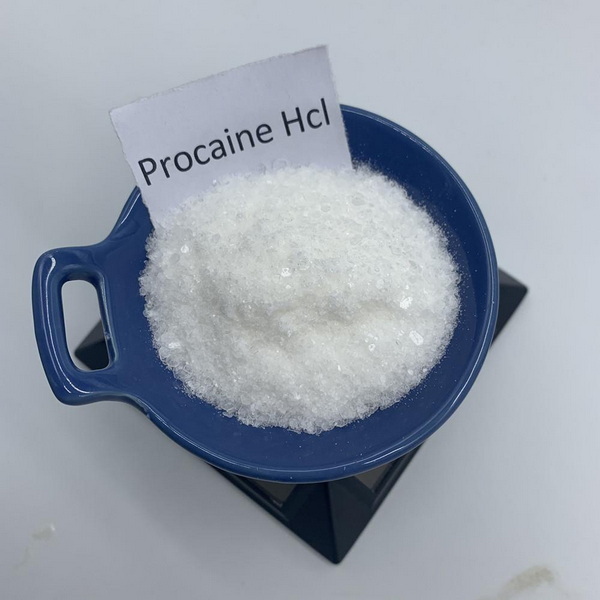
Procaine, also known as Novocain, is an ester local anesthetic that blocks nerve signals in the body. It is often used in dental procedures and minor surgeries to numb specific areas. While it is effective when injected, its safety and efficacy when taken orally are not well established.
Procaine works by inhibiting sodium influx through voltage-gated sodium channels in nerve cells, preventing the initiation and propagation of nerve impulses. This mechanism is crucial for its anesthetic properties, allowing for pain-free medical procedures. When injected, procaine provides localized numbness, making it a valuable tool in various medical and dental applications.
When ingested, procaine can lead to various side effects, some of which may be serious. Here are some potential outcomes of consuming procaine:
1. Gastrointestinal Issues: Nausea, vomiting, and heartburn are common gastrointestinal reactions to procaine ingestion. These symptoms can be distressing and may require medical intervention if they persist. The irritation of the gastrointestinal tract can lead to discomfort and may necessitate supportive care.
2. Neurological Effects: Symptoms such as dizziness, confusion, and agitation may occur, particularly if the dosage is high. In some cases, individuals may experience tremors or seizures, which necessitate immediate medical attention. The central nervous system can be significantly affected, leading to altered mental status and potential long-term consequences.
3. Allergic Reactions: Some individuals may experience allergic reactions, including skin rashes, swelling, and difficulty breathing. Anaphylaxis, a severe allergic reaction, can occur in rare cases and requires emergency treatment. Recognizing the signs of an allergic reaction early is crucial for effective management.
4. Methemoglobinemia: A rare but serious condition where the blood's ability to carry oxygen is impaired, leading to cyanosis (bluish skin). Symptoms of methemoglobinemia include shortness of breath, fatigue, and rapid heart rate. This condition can be life-threatening and requires prompt medical intervention.
5. Cardiovascular Effects: Procaine can cause irregular heartbeats, chest pain, and in severe cases, cardiac arrest. These effects are particularly concerning for individuals with pre-existing heart conditions. Monitoring cardiovascular health is essential for those who may be at risk.

The risks associated with oral consumption of procaine are significant. Since procaine is not intended for oral use, the body may not metabolize it effectively, leading to toxic levels in the bloodstream. This can result in severe health complications, including:
- Seizures: High doses can lead to convulsions and seizures, requiring immediate medical attention. The risk of seizures increases with the amount ingested and the individual's sensitivity to the drug. Seizures can have lasting effects on neurological function and may require further evaluation.
- Psychiatric Symptoms: Anxiety, hallucinations, and confusion can occur, particularly in sensitive individuals or those with pre-existing mental health conditions. These symptoms can be distressing and may require psychiatric evaluation. Long-term exposure to procaine may exacerbate underlying mental health issues.
While the immediate effects of procaine ingestion are concerning, the long-term consequences are also worth considering. Chronic exposure to procaine, even in small amounts, can lead to:
- Cognitive Impairment: Some studies suggest that repeated exposure to local anesthetics like procaine may affect cognitive functions, particularly in older adults. This could manifest as memory loss or difficulty concentrating. The potential for cognitive decline underscores the importance of using procaine only as directed.
- Cardiovascular Issues: Long-term use of procaine may contribute to cardiovascular problems, especially in individuals with underlying heart conditions. Monitoring heart health is essential for those who have been exposed to procaine over extended periods. Regular check-ups can help identify any emerging issues.
- Dependency and Tolerance: Although procaine is not typically associated with addiction, individuals may develop a tolerance to its effects, leading to increased dosages and potential misuse. Understanding the risks of tolerance is crucial for safe medication practices.
If someone accidentally ingests procaine, it is crucial to seek medical attention immediately. Healthcare professionals may administer activated charcoal to limit absorption and monitor the patient for any adverse effects. In cases of severe reactions, hospitalization may be necessary for further evaluation and treatment.
In summary, ingesting procaine can lead to a range of harmful effects, from gastrointestinal distress to severe neurological and cardiovascular complications. It is essential to use procaine only as prescribed and administered by a healthcare professional. If you have any questions or concerns about procaine or its uses, please feel free to contact us for more information.
Procaine is not considered safe for oral consumption. It is intended for injection only, and ingesting it can lead to serious health risks.
If procaine is ingested, seek medical attention immediately. Do not induce vomiting unless instructed by a healthcare professional.
Common side effects include nausea, vomiting, dizziness, and allergic reactions such as skin rashes.
Yes, procaine can cause serious health issues, including methemoglobinemia and seizures, especially if taken inappropriately.
Procaine is typically administered via injection by a healthcare professional for local anesthesia during medical procedures.
Hot tags: Procaine Effects, Eating Procaine Risks, Procaine Side Effects, Procaine Toxicity, Procaine Health Risks, Procaine Symptoms, Procaine Overdose, Procaine Safety, Procaine Uses, Procaine Precautions