Content Menu
● Overview of Penicillin G Procaine
● Uses of Penicillin G Procaine
>> Dosage
● Long-Term Effects of Penicillin G Procaine
● Interactions with Other Medications
● Alternatives to Penicillin G Procaine
● Frequently Asked Questions (FAQ)
>> 1. What infections can Penicillin G Procaine treat?
>> 2. How is Penicillin G Procaine administered?
>> 3. What are the common side effects of Penicillin G Procaine?
>> 4. How does Penicillin G Procaine compare to other antibiotics?
>> 5. Can Penicillin G Procaine be used in children?
Penicillin G Procaine, also known as procaine benzylpenicillin, is a widely used antibiotic that combines penicillin G with procaine, a local anesthetic. This combination enhances the effectiveness of penicillin G while minimizing the pain associated with its injection. In this article, we will explore the uses, benefits, side effects, and mechanisms of action of Penicillin G Procaine, along with its applications in treating various bacterial infections.
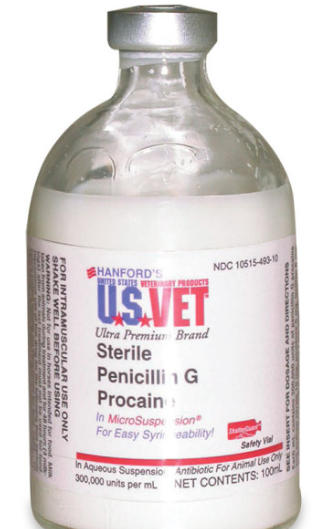
Penicillin G Procaine is a beta-lactam antibiotic that is effective against a range of bacterial infections. It is particularly useful in treating infections caused by susceptible strains of bacteria, including those responsible for syphilis, anthrax, and certain respiratory infections. The procaine component helps to reduce the pain associated with the injection, making it more tolerable for patients.
The chemical formula for Penicillin G Procaine is C29H38N4O6S. It is a salt formed by the combination of benzylpenicillin (penicillin G) and procaine in equimolar amounts. This formulation allows for a slow release of the active ingredients, providing prolonged antibacterial activity.
Penicillin G Procaine works by inhibiting the synthesis of bacterial cell walls. It binds to penicillin-binding proteins (PBPs) located within the bacterial cell wall, disrupting the cross-linking of peptidoglycan chains. This action weakens the cell wall, leading to cell lysis and ultimately, bacterial death.
After intramuscular injection, Penicillin G Procaine is slowly absorbed into the bloodstream. It reaches peak plasma concentrations approximately four hours post-injection and maintains therapeutic levels for up to 20 hours. This extended release is beneficial for treating infections that require sustained antibiotic levels.
Penicillin G Procaine is indicated for the treatment of various bacterial infections, including:
- Syphilis: Effective in treating all stages of syphilis.
- Anthrax: Approved for use in all forms of anthrax.
- Respiratory Infections: Used for pneumonia and other upper respiratory tract infections.
- Skin Infections: Treats cellulitis and other skin-related bacterial infections.
- Diphtheria: Acts as an adjunct to antitoxin therapy.
While Penicillin G Procaine is generally well-tolerated, it can cause side effects in some patients. Common side effects include:
- Injection site reactions (pain, swelling, redness)
- Allergic reactions (rash, itching, anaphylaxis)
- Gastrointestinal disturbances (nausea, diarrhea)
- Rarely, severe skin reactions such as Stevens-Johnson syndrome
Patients should be monitored for any adverse reactions, especially after the first dose.
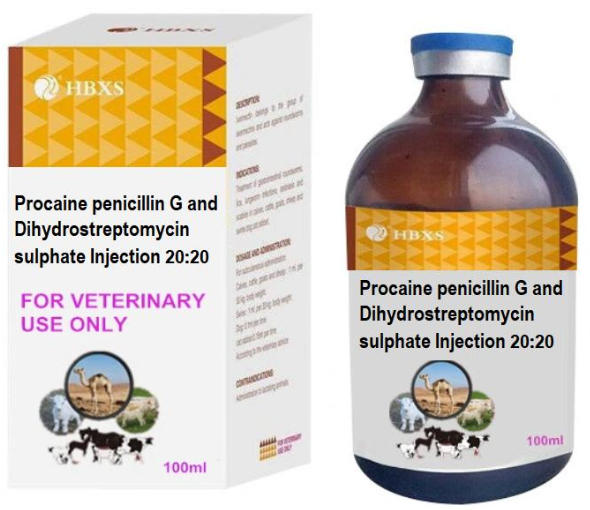
Penicillin G Procaine is administered via deep intramuscular injection. It is crucial that healthcare professionals follow proper injection techniques to minimize discomfort and ensure effective delivery of the medication. The injection is typically given in the buttock or thigh muscle.
The dosage of Penicillin G Procaine varies based on the type and severity of the infection. It is essential to follow the prescribing physician's instructions regarding dosage and frequency of administration.
While Penicillin G Procaine is effective for treating acute infections, its long-term effects are not well-documented. However, prolonged use of antibiotics can lead to antibiotic resistance, making it crucial to use this medication judiciously. Patients who require long-term treatment should be monitored for any signs of resistance or adverse reactions.
Penicillin G Procaine may interact with other medications, potentially altering their effectiveness or increasing the risk of side effects. It is essential for patients to inform their healthcare providers about all medications they are taking, including over-the-counter drugs and supplements. Some notable interactions include:
- Anticoagulants: Penicillin may enhance the effects of anticoagulants, increasing the risk of bleeding.
- Other Antibiotics: Concurrent use with other antibiotics may lead to reduced effectiveness or increased side effects.
- Probenecid: This medication can increase the levels of penicillin in the blood, potentially leading to toxicity.
For patients who are allergic to penicillin or have penicillin-resistant bacterial infections, alternative antibiotics may be considered. Some alternatives include:
- Cephalosporins: These antibiotics are structurally similar to penicillin and can be effective against similar bacteria.
- Macrolides: Such as azithromycin and clarithromycin, these antibiotics are often used for respiratory infections.
- Tetracyclines: Effective against a broad range of bacteria, these can be used in cases of penicillin resistance.
Penicillin G Procaine is a valuable antibiotic in the treatment of various bacterial infections. Its unique formulation allows for effective treatment while minimizing discomfort during administration. If you are a healthcare provider or a patient in need of reliable antibiotic solutions, consider the benefits of Penicillin G Procaine.
For more information or to discuss how our products can meet your needs, please contact us today!
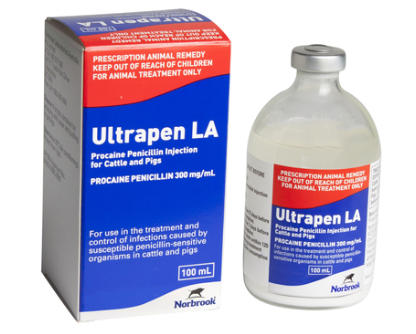
Penicillin G Procaine is effective against infections such as syphilis, anthrax, pneumonia, and skin infections.
It is administered via deep intramuscular injection, typically in the buttock or thigh.
Common side effects include injection site reactions, allergic reactions, and gastrointestinal disturbances.
Penicillin G Procaine is a beta-lactam antibiotic, effective against specific bacterial strains, and is often used when prolonged action is needed.
Yes, but the dosage must be carefully adjusted based on the child's weight and the type of infection.
Hot tags: Penicillin G Procaine Uses, Penicillin G Procaine Side Effects, Penicillin G Procaine Dosage, Penicillin G Procaine Injection, Penicillin G Procaine Antibiotic, Penicillin G Procaine Mechanism, Penicillin G Procaine Benefits, Penicillin G Procaine Treatment, Penicillin G Procaine for Syphilis, Penicillin G Procaine Overview