Content Menu
● What is Lidocaine HCL Powder?
● Extended Medical and Pharmaceutical Applications
● Manufacturing and Quality Standards
● Safety and Handling Precautions
● How to Source Lidocaine HCL Powder for OEM Production
>> 1. What is the purity of lidocaine HCL powder typically supplied?
>> 2. What are the key medical uses of lidocaine HCL powder?
>> 3. How should lidocaine HCL powder be stored safely?
>> 4. Can lidocaine HCL powder be customized for OEM products?
>> 5. What certifications should a reliable lidocaine HCL powder supplier have?
Lidocaine HCL powder is a crucial pharmaceutical ingredient widely used in the biotechnology, medical devices, and pharmaceutical industries. It serves primarily as a local anesthetic for pain relief during medical, dental, and surgical procedures. As a crystalline white powder, lidocaine hydrochloride (Lidocaine HCL) is highly valued for its fast-acting and effective numbing properties. For companies engaged in research, production, and sales, especially those providing OEM services to international brands, lidocaine HCL powder plays a vital role in developing local anesthesia products and other medicinal formulations.
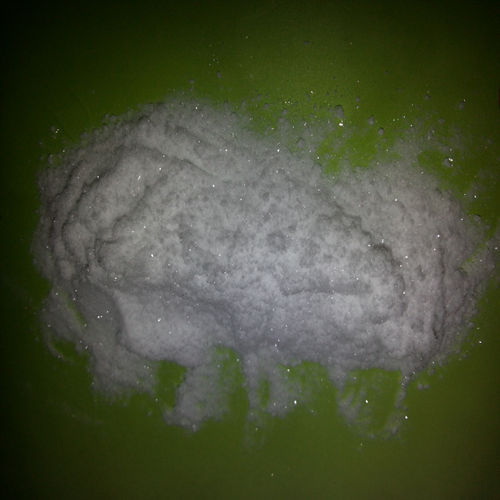
Lidocaine hydrochloride powder, chemically known as 2-diethylamino-2',6'-acetoxylidide monohydrochloride monohydrate, is a white to pale yellow crystalline powder with a molecular formula of C14H22N2O · HCl · H2O and a molecular weight of approximately 288.8 Da. This powder is the hydrochloride salt form of lidocaine, making it water-soluble, which facilitates its preparation in injectable and topical formulations.
It is freely soluble in water and moderately soluble in alcohol, making it versatile for pharmaceutical compounding. Lidocaine HCL powder typically melts at 74 to 79°C, and it is sensitive to light, necessitating storage in a cool, dry, and dark place.
Lidocaine belongs to the amide class of local anesthetics. It works by reversibly blocking sodium ion channels in neuronal membranes, preventing the propagation of nerve impulses that signal pain. By selectively targeting sensory neurons, lidocaine effectively blocks pain signals without affecting motor function at clinically suitable doses.
The anesthetic effect of lidocaine usually begins within 2 to 5 minutes after administration and can last from 30 minutes up to 3 hours, depending on the dose and mode of delivery. Once administered, lidocaine is primarily metabolized by the liver enzyme CYP3A4 into active metabolites, monoethylglycinexylidide (MEGX) and glycine xylidide, before excretion mostly through urine.
In addition to its anesthetic effects, lidocaine is also used as an antiarrhythmic agent for the treatment of certain cardiac arrhythmias. This dual function emphasizes its critical role in both surgical and emergency medicine.
Lidocaine HCL powder is a fundamental raw material for various pharmaceutical formulations, including:
- Local Anesthesia: Used in injectable solutions for minor surgeries, dental procedures, and dermatological treatments. It allows doctors and dentists to numb specific areas and perform procedures painlessly.
- Topical Pain Relief: Incorporated into gels, sprays, and creams to numb skin or mucous membranes. These products help alleviate pain from burns, insect bites, or skin irritations.
- Medical Procedures: Facilitates painless venipuncture, catheter insertion, and endotracheal intubation by numbing the site of needle or tube insertion.
- Veterinary Medicine: Provides local anesthesia for animal surgeries and treatments, ensuring welfare and pain management in veterinary practices.
- Cosmetics: Used in formulations to minimize discomfort during cosmetic injections or minor skin procedures such as tattooing or laser treatments.
Lidocaine's fast onset, intermediate duration, and reliable anesthetic properties make it indispensable in clinics, hospitals, and veterinary settings worldwide.
Beyond traditional anesthetic uses, lidocaine HCL powder has found extended applications in recent years:
- Neuropathic Pain Management: Lidocaine patches and topical formulations aid in reducing chronic nerve pain, such as postherpetic neuralgia.
- Combination Therapies: It is often combined with other analgesics or anti-inflammatory drugs to enhance pain relief efekts in composite medications.
- Dental Sedation Products: Used in sprays and gels for numbing the oral mucosa before injection or dental scaling.
- Injectable Preparations: Lidocaine is often mixed with epinephrine to prolong anesthesia and reduce bleeding during surgeries.
- Research & Development: Lidocaine serves as a key compound for developing novel anesthetic formulations, including controlled-release and needle-free delivery systems.
These diverse applications showcase the versatility and ongoing relevance of lidocaine HCL powder in modern medicine.
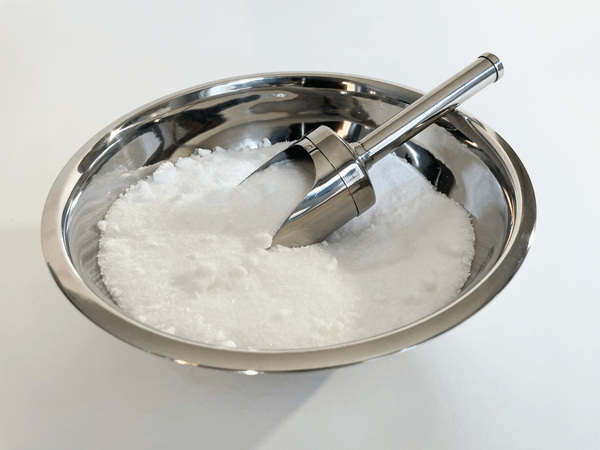
The production of lidocaine HCL powder involves complex chemical synthesis and rigorous purification processes. Leading manufacturers, especially in China, adhere to international Good Manufacturing Practice (GMP) standards to ensure product safety, purity, and consistency.
Quality specifications for pharmaceutical grade lidocaine HCL powder typically require:
- Purity levels of 99% or higher, confirmed by high-performance liquid chromatography (HPLC).
- Absence of residual solvents, heavy metals, and other impurities.
- Compliance with pharmacopoeia standards such as USP (United States Pharmacopeia), EP (European Pharmacopoeia), and JP (Japanese Pharmacopoeia).
- Proper particle size distribution suitable for injection or topical formulation processes.
OEM manufacturers offer customization options for packaging, quantity, and formulation support, enabling global brands and wholesalers to meet regional regulatory requirements efficiently.
While lidocaine HCL powder is safe for intended medical uses, appropriate handling is crucial throughout manufacturing and storage:
- Avoid inhalation or direct skin contact with the powder to prevent sensitization or irritation.
- Use personal protective equipment such as gloves and masks in processing areas.
- Store in sealed containers, protected from moisture, heat, and direct light at controlled room temperatures between 15 and 25 °C.
- Dispose of waste materials in compliance with environmental health and safety regulations.
Persons with known hypersensitivity to amide anesthetics should avoid exposure. Adverse reactions in patients are rare but can include allergic reactions, dizziness, or in extremely rare cases, systemic toxicity.
Pharmaceutical-grade lidocaine HCL powder is packaged to maintain its chemical integrity and meet international shipping regulations. Common packaging formats include:
- Aluminum foil bags with moisture barriers.
- Polyethylene bags within sturdy outer cartons.
- Industrial drums or bulk containers for large volume orders.
Labels contain critical information such as batch numbers, manufacturing dates, expiration dates, storage instructions, and regulatory compliance marks. During transport, temperature and humidity are monitored to prevent degradation, ensuring clients receive high-quality material ready for immediate use in manufacturing.
Selecting a reliable lidocaine HCL powder supplier is vital for brands and manufacturers who require assured quality and regulatory adherence. Important factors to consider include:
- Verification of supplier certifications such as ISO 9001, GMP, and other pharmaceutical regulatory approvals.
- Availability of Certificates of Analysis (COA) and Material Safety Data Sheets (MSDS).
- The ability to offer OEM services, including custom packaging, labeling, and formulation development.
- Strong logistics capabilities to support timely and secure shipment across borders.
- Sample availability for quality evaluation before entering long-term supply agreements.
Our factory provides trusted OEM services for lidocaine HCL powder, leveraging advanced technologies and experienced R&D teams to deliver quality products that meet global standards.
Lidocaine HCL powder is an indispensable pharmaceutical compound widely used in medical, dental, veterinary, and cosmetic industries for its effective local anesthetic and pain relief properties. Its high purity, fast action, and versatility make it a preferred choice for manufacturers developing injectable and topical anesthetic products.
By partnering with experienced, GMP-certified OEM suppliers—especially those based in China—international brands and wholesalers can secure consistent supply and customize their offerings to meet diverse market demands. This strategic collaboration ensures access to premium lidocaine HCL powder that complies with international standards, helping manufacturers enhance patient care and product efficacy.
For inquiries or to discuss OEM cooperation, please contact us today. Elevate your product line with our superior lidocaine HCL powder and expert manufacturing services.
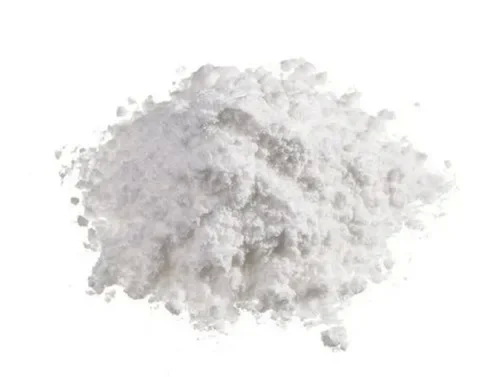
Pharmaceutical-grade lidocaine HCL powder generally has a purity of 99% or greater, verified through strict quality control methods like HPLC, ensuring safety and efficacy in medical applications.
It is primarily used as a local anesthetic in surgeries, dental treatments, topical pain relief, and veterinary procedures. It also serves as an antiarrhythmic agent in cardiac care.
The powder should be stored in tightly sealed containers, away from moisture and light, within a temperature range of 15 to 25 °C to maintain stability and potency.
Yes, many manufacturers offer OEM services that allow customization of packaging, formulation concentration, and labeling to meet specific brand and regulatory requirements.
Look for suppliers with GMP certifications, ISO quality management, pharmacopoeia compliance (USP, EP), and FDA or equivalent regulatory approvals for assured quality.
[1](https://www.sigmaaldrich.com/JP/en/product/sigma/l7757)
[2](https://dailymed.nlm.nih.gov/dailymed/drugInfo.cfm?setid=0fb7864f-be1c-4992-a996-556aef29981f)
[3](https://www.medisca.ca/products/lidocaine-hydrochloride-usp)
[4](https://www.indiamart.com/proddetail/lidocaine-hydrochloride-powder-25959955412.html)
[5](https://carolinachemical.com/product/lidocaine-powder/)
[6](https://dailymed.nlm.nih.gov/dailymed/drugInfo.cfm?setid=ea5416d6-5988-413b-8682-6835b359eb78)
[7](https://jpdb.nihs.go.jp/jp14e/14data/Part-I/Lidocaine.pdf)
[8](https://www.pccarx.com/Blog/2-tips-for-compounding-with-lidocaine-and-lidocaine-hcl)
[9](https://www.remedylabs.co.in/lidocaine-powder.html)
Hot tags: Lidocaine HCL Definition, Lidocaine Hydrochloride, Local Anesthetic Powder, Lidocaine Uses, Lidocaine HCL Properties, Medical Applications, Anesthetic Agents, Lidocaine Dosage, Lidocaine Side Effects, Lidocaine Formulations