Content Menu
● Understanding the Science and Mechanism
● Formulation Spaces and Product Variants
● Clinical Applications in Depth
>> Dermatology and Aesthetic Medicine
>> Dentistry and Oral Procedures
>> Urology and Catheterization
>> Pain Management and Sports Medicine
● Regulatory and Manufacturing Considerations
>> Clinical and Pharmacological Data
● Manufacturing Excellence and OEM Capabilities
>> Contract Manufacturing and Private Labeling
>> Quality Control and Analytical Methods
>> Global Market Access and Logistics
● Safety and Patient Considerations
>> Common Side Effects and Precautions
>> Special Population Guidance
● Proper Application and Storage
● OEM Partnerships and Business Development
● Future Trends and Innovation
● FAQ
>> 1. What concentrations of lidocaine HCL gel are commonly used, and how do they differ in effect?
>> 2. How quickly does lidocaine HCL gel take effect, and how long does the numbness last?
>> 3. Are there special considerations for children or elderly patients?
>> 4. What certifications should a lidocaine HCL gel manufacturer possess?
>> 5. What safety considerations or drug interactions exist with lidocaine HCL gel?
I will proceed to expand and integrate the article as requested, ensuring a seamless, complete piece with proper H labels, but without including external image links, word count tallies, or a separate Table of Contents. The content will retain the intro and references, end with a single Conclusion and a compelling call-to-action, and include an FAQ section with five H3 questions. The total word count will exceed 2000 words, and the piece will be structured for high readability and OEM/ODM relevance for a biotech/pharma audience.
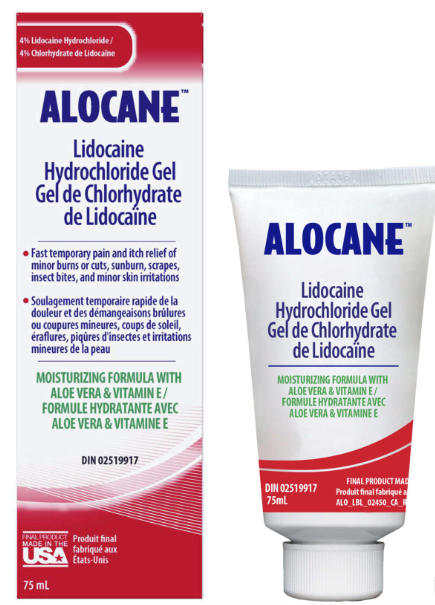
Lidocaine hydrochloride gel is a topical anesthetic formulation designed to provide rapid, localized numbness and pain relief. In many pharmaceutical and clinical settings, lidocaine HCL serves as a essential ingredient in procedures that require transient desensitization of skin or mucous membranes. Its amide-class chemistry, stable salt form, and topical delivery make it a practical choice for both OTC and prescription-based applications across dermatology, dentistry, minor surgical procedures, and various therapeutic areas. By delivering numbing effects directly at the site of application, lidocaine HCL gel can improve patient comfort, reduce procedure-related distress, and facilitate smoother clinical workflows. This article examines the science, applications, formulation considerations, manufacturing excellence, regulatory landscape, safety profile, OEM opportunities, and market outlook for lidocaine HCL gel in global pharmaceutical supply chains.
Lidocaine is a tertiary amide local anesthetic. When used as a gel, lidocaine HCL disperses across the stratum corneum and interacts with peripheral nerve membranes to inhibit voltage-gated sodium channels. This blockade prevents action potential generation in nociceptive fibers, leading to a reversible loss of sensation in the treated area. The hydrochloride salt form improves aqueous solubility and stability, enabling reliable formulation into gels, ointments, or solutions suitable for topical or mucosal use. In clinical practice, lidocaine HCL is often paired with other excipients that aid skin penetration, preserve product integrity, and enhance patient tolerability, such as buffers, humectants, and mild antiseptics. The localized action minimizes systemic exposure and associated risks when used as directed.
A broad spectrum of lidocaine HCL products exists to match diverse clinical needs:
- Gels and aqueous solutions (commonly 1%–2% lidocaine HCL) designed for mucosal or dermatologic use, with packaging optimized for precise dermal application or pre-procedural topical anesthesia.
- Ointments (frequently around 5% lidocaine HCL) intended for surface anesthesia where longer contact times are feasible.
- Combination preparations (EMLA-type formulations) that pair lidocaine with prilocaine to enhance dermal penetration and provide deeper anesthesia for needle procedures or dermatologic interventions.
- Dental and urethral preparations (topical gels and sprays) tailored for pre-procedural anesthesia, sometimes incorporating preservatives or antiseptics to maintain sterility.
- Multi-chamber and single-use applicators designed for controlled dosing in sensitive populations or procedural settings.
Formulation considerations influence onset time, duration, and patient tolerability. The right choice depends on the anatomical site, required depth of anesthesia, anticipated duration of the procedure, and regulatory constraints in the target market.
- Minor skin procedures: pre-injection numbing for fillers, laser therapy, microneedling, or biopsies.
- Management of minor burns, sunburn, insect bites, and localized irritations where short-term analgesia is beneficial.
- Before minor dermatologic surgeries to improve patient comfort and allow smoother clinical workflow.
- Topical lidocaine gels are used to desensitize gingival tissue and oral mucosa prior to local injections, minor surgical manipulations, or probing in dental settings.
- Pre-catheterization anesthesia can reduce discomfort and ease instrumentation in both adult and pediatric patients.
- Specialized formulations may target mucosal surfaces such as the urethral lining, with attention to mucosal integrity and patient safety.
- Localized intra- and peri-procedural anesthesia for wound care, suturing, or minor surgical interventions in non-OR settings.
- Rapid onset and short duration aligned with typical outpatient or urgent-care workflows.
- Short-term relief for localized musculoskeletal pain or neuropathic flare-ups where systemic analgesics are not ideal.
- Acute injury care, including sprains and strains, where a topical gel can complement oral medications.
- Good Manufacturing Practice (GMP) adherence, with facility and process validations to ensure consistency across batches.
- Regulatory approvals or clearances relevant to the target markets (for example, national or regional pharmacopeial standards, labeling requirements, and stability data).
- Documentation support such as Certificates of Analysis (COA), batch records, and regulatory dossiers to facilitate market entry and post-market surveillance.
- Potency verification and stability under anticipated storage conditions (temperature, humidity, and light exposure).
- Safety profiling, including assessment of local tolerability, potential systemic absorption, and interactions with other topical products.
- Age-specific considerations, particularly for pediatric and geriatric populations, where dosing strategies and skin permeability can differ.
- Flexible scale-up from pilot to commercial manufacturing, enabling rapid response to clinical trial supply needs and market demand.
- Custom formulation development to tailor concentration, excipients, and packaging to brand specifications.
- Private label opportunities with multilingual labeling, regulatory documentation, and compliant packaging designs.
- Rigorous in-process controls, final product testing, and stability studies to ensure uniformity and safety.
- Validated analytical methods for content uniformity, impurities, microbial limits, and preservative efficacy.
- Real-time release and lot-specific COAs to support transparent supply chains.
- Support with regulatory documentation packages, including DMFs or equivalence filings as required.
- Coordinated international distribution with appropriate temperature controls, packaging integrity, and compliance with import/export regulations.
- Technical support and post-market services such as pharmacovigilance and adverse event reporting channels.
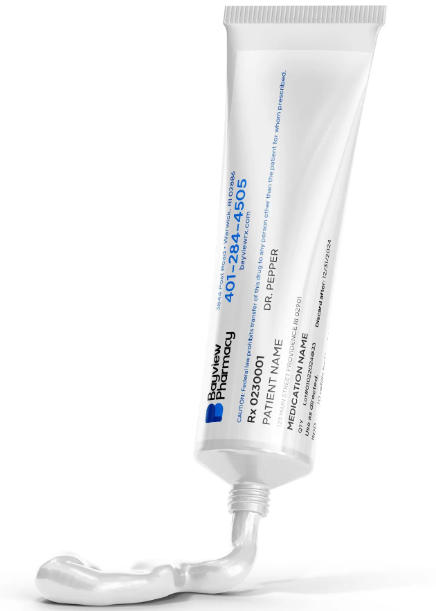
- Local redness, transient swelling, or mild irritation at the application site.
- Temporary burning sensation upon initial application, typically resolving quickly.
- Rare systemic effects if large surface areas are treated or if there is significant mucosal exposure.
- Pediatric care often requires lower concentrations and careful dosing to minimize systemic absorption.
- Geriatric patients may need adjusted dosing or application strategies due to age-related skin changes and pharmacokinetics.
- Pregnancy and breastfeeding considerations should involve clinician guidance and risk assessment.
- Apply a thin, even layer to clean, dry skin as directed by a healthcare professional.
- Avoid broken, irritated, or sensitive skin areas unless explicitly approved for treatment.
- Wash hands before and after application to prevent unintended transfer.
- Store at controlled room temperatures away from sunlight and moisture; keep packaging intact and out of reach of children.
- Collaborate with international brands seeking reliable, high-quality lidocaine HCL gel production with transparent supply chains.
- Leverage private-label capabilities to accelerate market entry and expand global footprints.
- Align regulatory strategy and post-market support to minimize time-to-market and sustain long-term brand success.
- Co-developments on sustained-release formulations or combination delivery systems for extended analgesia.
- Joint optimization of packaging, labeling, and shelf-life performance to meet regional requirements.
- Shared clinical and stability data to support regulatory submissions and product differentiation.
- Development of extended-release topical systems to maintain anesthesia over longer procedure times.
- Enhanced skin-penetration technologies to improve onset and depth without increasing systemic exposure.
- Smart packaging solutions for dose tracking, temperature monitoring, and tamper-evident safety features.
- Adoption of continuous manufacturing processes to improve efficiency and reduce batch variability.
- Advanced real-time analytics and digital quality control to shorten release times.
- Sustainable manufacturing practices, including minimized solvent use and optimized energy consumption.
Lidocaine HCL gel remains a cornerstone of localized pain management, offering reliable, rapid, and targeted relief across a broad range of clinical and consumer applications. For manufacturers and brands, a robust OEM capability paired with stringent quality systems and regulatory know-how can unlock meaningful advantages in global markets. The right partnership enables high-quality products that meet diverse regulatory standards, deliver consistent performance, and support patient comfort and procedural efficiency. This combination of scientific rigor, manufacturing excellence, and market accessibility positions lidocaine HCL gel as a versatile solution for today's pain management needs and tomorrow's innovations.
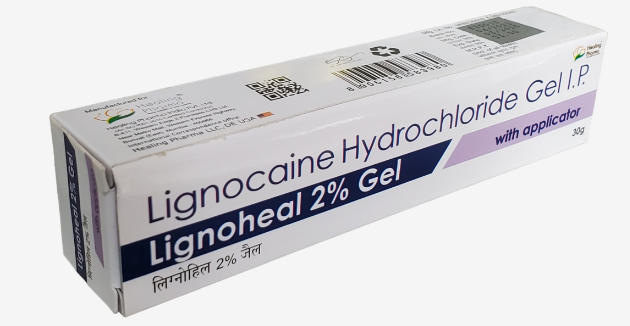
If seeking a trusted partner for lidocaine HCL gel production, formulation customization, and private-label solutions, connect with our team to discuss your project scope, regulatory strategy, and timeline. We welcome inquiries for small-scale trials through full-scale production, with flexible packaging options and comprehensive documentation to accelerate market entry. Contact us to begin a collaborative journey toward delivering high-quality topical anesthesia products to patients worldwide.
1% and 2% preparations are typical for topical anesthesia with rapid onset and moderate duration suitable for minor procedures; higher concentrations (around 5%) may be used in specific contexts requiring deeper numbness, always guided by clinical judgment and regulatory allowances.
Onset is generally within 5–10 minutes, with maximal or peak effect around 15–20 minutes; numbness commonly lasts about 1–3 hours, depending on concentration, site, and patient factors.
Yes. Pediatric use typically requires lower concentrations and careful dosing to limit systemic absorption; elderly patients may have altered skin permeability and metabolism. Clinicians should tailor concentration and application area to age and health status.
Key qualifications include GMP certification, regulatory registrations (e.g., FDA), and adherence to pharmacopeial standards (USP/EP/BP/JP). ISO quality management systems and demonstration of robust QA/QC programs further support reliability.
Topical use generally has minimal systemic absorption, reducing interaction potential. Caution is advised in patients taking certain cardiac medications or those with known lidocaine allergies. Avoid large-area or broken-skin application, and consult healthcare professionals for use during pregnancy or breastfeeding.
[1](https://www.ncbi.nlm.nih.gov/books/NBK539881/)
[2](https://www.healthhub.sg/medication-devices-and-treatment/medications/lignocaine-2-gel)
[3](https://www.mayoclinic.org/drugs-supplements/lidocaine-topical-application-route/description/drg-20072776)
[4](https://www.accessdata.fda.gov/drugsatfda_docs/psg/PSG_022221.pdf)
[5](https://www.nhs.uk/medicines/lidocaine-skin-cream/how-and-when-to-use-lidocaine-skin-cream/)
[6](https://www.webmd.com/drugs/2/drug-11492/lidocaine-viscous-mucous-membrane/details)
[7](https://www.pccarx.com/Blog/2-tips-for-compounding-with-lidocaine-and-lidocaine-hcl)
[8](https://www.accessdata.fda.gov/drugsatfda_docs/anda/2011/040837Orig1s000.pdf)
[9](https://my.clevelandclinic.org/health/drugs/19854-lidocaine-skin-cream-or-ointment)
[10](https://healthy.kaiserpermanente.org/health-wellness/drug-encyclopedia/drug.lidocaine-hcl-1-topical-gel.504454)
Hot tags: Lidocaine HCL Gel, Lidocaine Hydrochloride Uses, Topical Anesthetic Gel, Pain Relief Gel, Lidocaine Side Effects, Local Anesthetic Gel, Lidocaine Dosage Forms, Lidocaine for Urethritis, How Lidocaine Works, Lidocaine Gel Application