Content Menu
● Understanding Lidocaine Basics
>> What lidocaine is and where it's used
>> General pharmacology principles
● Lidocaine HCl vs Base and Other Salts
>> Lidocaine hydrochloride (Lidocaine HCl)—properties, solubility, stability
>> Extra Strength lidocaine products—definitions, typical concentrations, intended use
● Practical differences in absorption, onset, duration, and tissue penetration
● Applications and Formulation Considerations
>> Medical and cosmetic uses (topical anesthetics, dental, minor surgical procedures)
>> Cosmetic and OTC products—creams, gels, ointments, sprays
>> Regulatory and quality considerations (USP/EP standards, impurities, packaging integrity)
● Quality, Regulation, and Supply Chain
>> GMP adherence, batch traceability, and QA/QC procedures
>> Regulatory pathways for international markets (Canada, EU, UK, US)
>> Risks in supply chains (counterfeits, adulteration) and mitigations
● Why OEM with SupplyBenzocaine.co.uk
>> Core capabilities (custom grades, salt forms, purity, excipients)
>> Regulatory support and documentation (COAs, GMP certifications)
>> Production capacity, lead times, and scalability for big launches
● Case insights and best practices
>> Selecting the right lidocaine form for target markets
>> Stability and shelf-life considerations for commercial products
>> Packaging and labeling compliance for international buyers
● Conclusion and Call to Action
● FAQs
>> 1) What is the main difference between Lidocaine HCl and non-salt lidocaine?
>> 2) In which applications is Extra Strength lidocaine preferred?
>> 3) How does salt form affect topical penetration and onset?
>> 4) What regulatory steps are necessary to export lidocaine products?
>> 5) What distinguishes OEM service from powder suppliers in this space?
Lidocaine is a widely used local anesthetic with applications across medical, dental, skincare, and consumer-health products. This article clarifies the differences between lidocaine hydrochloride (Lidocaine HCl) and higher-strength lidocaine formulations often marketed as “Extra Strength.” It also explains how a China-based OEM partner, SupplyBenzocaine.co.uk, can support international brands, wholesalers, and manufacturers with compliant, scalable lidocaine solutions from development through global distribution. By the end, readers will understand formulation implications, regulatory considerations, and how to choose the right lidocaine form for specific markets and products.
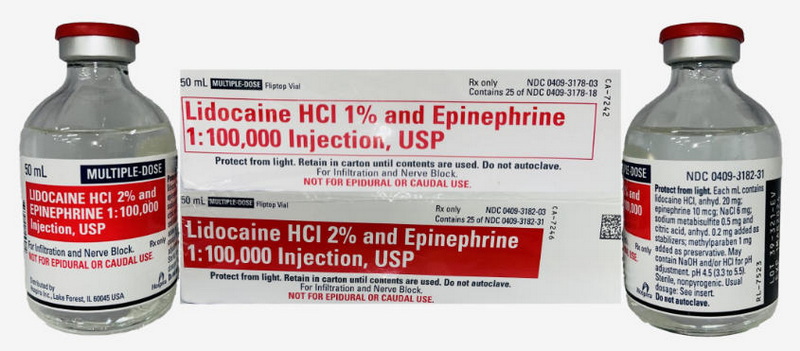
Lidocaine is a local anesthetic that blocks nerve conduction by inhibiting voltage-gated sodium channels, providing rapid and reliable numbness in targeted tissues. It is used in a broad spectrum of procedures, including minor surgical interventions, dental work, topical analgesia, and various cosmetic and consumer-health products. The selection of a lidocaine form affects solubility, stability, onset, and duration of action, making the choice critical for product performance and regulatory compliance. Within this framework, Lidocaine HCl represents a salt form that enhances water solubility and enables precise dosing in liquid and semi-solid formulations, while other forms—such as free base lidocaine—offer different solubility and release characteristics suitable for particular delivery systems. Understanding these principles helps formulators optimize efficacy while meeting safety and labeling requirements.[9][10][11]
Lidocaine exists in multiple chemical forms. The free base is less soluble in water but can be useful in certain patch or transdermal applications where controlled release is desired. The hydrochloride salt (Lidocaine HCl) is highly water-soluble, facilitating uniform distribution in creams, gels, sprays, and injectable formulations. Salt forms also influence pH, stability, and compatibility with excipients, which in turn impact viscosity, texture, and sensory attributes in finished products. When choosing between lidocaine HCl and other forms, formulators weigh solubility, stability under storage conditions, compatibility with preservatives and antioxidants, and regulatory preferences in target markets.[12][13]
Lidocaine's mechanism centers on sodium-channel blockade in neuronal membranes, leading to reversible conduction block and localized anesthesia. In clinical contexts, onset can range from a few minutes to several minutes, with duration varying by concentration, presence of vasoconstrictors, and tissue vascularity. Higher-strength formulations typically extend duration but may increase systemic exposure if absorption is rapid, underscoring the need for careful formulation and appropriate labeling. Across products, optimizing onset time and duration requires balancing concentration, adjuvants (such as vasoconstrictors), and delivery vehicle.[1][14]
As a salt, Lidocaine HCl has superior aqueous solubility, enabling uniform dosing in gels, creams, sprays, and injectable preparations. Its stability profile supports robust shelf life under typical pharmaceutical and cosmetic storage conditions when formulated with appropriate buffers and stabilizers. For manufacturers, this means reliable batch-to-batch consistency and easier formulation scaling for liquid and semi-solid products. Regulatory bodies often prefer clearly defined salt forms for precise potency labeling and quality control.[6][13][14]
“Extra Strength” is a market descriptor rather than a universally standardized regulatory term. In practice, it refers to lidocaine products formulated at higher concentrations (for example, up to 5% or more in certain topical gels, or higher-dose injectable formulations under medical supervision). Such products are designed for procedures requiring more profound numbness or extended duration, but they also carry greater safety considerations, including potential systemic exposure and interactions with other medications. Market definitions vary by country and product category, so exact concentrations and labeling must align with regional regulations and approved indications.[4][1]
Higher-strength lidocaine formulations can achieve faster onset and longer duration in certain tissues, particularly when used with suitable vasoconstrictors or delivery vehicles. However, absorption rates are influenced by tissue type, site of application, and formulation excipients. In cosmetic and dermatologic products, patient comfort, sensory experience, and residue are also influenced by vehicle chemistry and occlusion. For OEM buyers, these differences translate into decisions about target markets, labeling, safety data, and shelf life.[5][1][4]
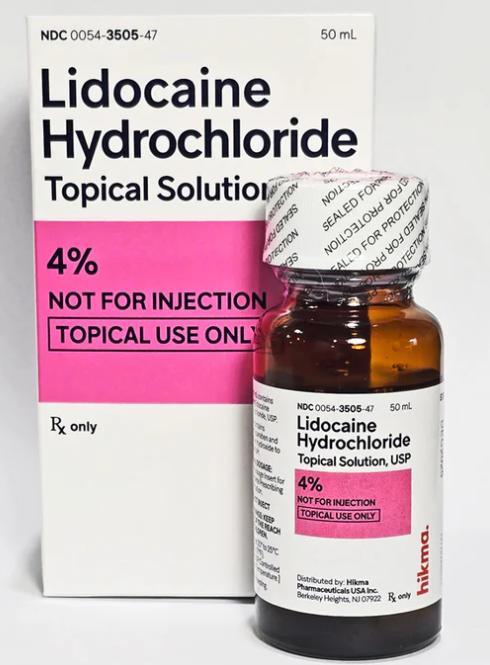
Topical lidocaine is common in dentistry and minor procedures, including numbing gums, lips, and mucosal surfaces. In cosmetics, lidocaine-enhanced formulations may appear in numbing gels for tattooing, laser procedures, or temporary relief products. Understanding the regulatory status of each indication—whether cosmetic, OTC, or prescription—is essential for compliant product development and marketing.[13][5]
Formulations range from gels and creams to sprays and patches. The choice of lidocaine form affects solubility, texture, spreadability, and sensory attributes such as tackiness and cooling sensation. For consumer-facing products, stability under varied temperatures, packaging compatibility, and consumer safety labeling are critical. OEM providers can tailor formulations to specific market preferences while maintaining regulatory alignment.[2][14][5]
Regulatory frameworks demand rigorous quality control, validated specifications for purity and impurities, and robust packaging to prevent degradation or leakage. Validation activities include analytical method validation, stability studies, and lot-release testing. For international products, harmonization with schemes like USP or EP, as well as country-specific requirements (e.g., EU, US, UK, Canada), is essential. An experienced OEM partner should provide completed COAs, GMP certifications, and supply chain transparency.[2][6][13]
Good Manufacturing Practice (GMP) underpins consistent product quality and traceability. A credible supplier maintains documented QA/QC processes, clear batch records, and validated analytical methods to verify identity, potency, and impurities. For exporters, traceability supports audits and regulatory submissions in target markets, reducing compliance risk and improving consumer confidence.[6][13][2]
Exporting lidocaine products involves navigating regulatory approvals, labeling standards, allowed concentrations, and formulation restrictions across jurisdictions. Early engagement with regulatory consultants or in-house regulatory teams helps align product development with the intended markets, expediting time-to-market and reducing the risk of rework.[14][6]
The global pharmaceutical and cosmetic supply chains face risks such as counterfeit products, adulteration, and mislabeled ingredients. Mitigations include rigorous supplier qualification, comprehensive COAs, serialized batch tracking, tamper-evident packaging, and robust warehouse controls. An OEM partner with end-to-end QA oversight can greatly reduce these risks for international buyers.[13][2]
The OEM partner can offer tailored lidocaine forms (including Lidocaine HCl), customized purities, and approved excipients to meet market-specific performance and regulatory requirements. The ability to adjust salt forms, concentrations, and delivery vehicles supports a wide range of final products, from OTC topicals to medical devices with integrated anesthetic components.[1][14]
A reputable OEM supplier provides comprehensive documentation, including COAs, GMP attestations, and regulatory dossiers suitable for international markets. This reduces the burden on brand owners and distributors while ensuring ongoing compliance through product life cycles.[2][13]
A well-equipped facility can scale from pilot batches to commercial-scale production with predictable lead times. Strong communication, demand planning, and contingency strategies help ensure supply reliability during market introductions and high-volume launches.[4][1]
Understand local regulations, consumer expectations, and usage scenarios for each market. In some regions, higher-strength formulations may face stricter labeling or require medical oversight, while others may favor solvent-free or low-odor bases for cosmetic applications. A strategic choice balances efficacy, safety, and regulatory feasibility.[14][4]
Stability studies should evaluate factors such as temperature, humidity, light exposure, and packaging materials. Shelf-life determinations influence dating, inventory planning, and warranty considerations, especially for multi-country distribution.[13][2]
Labeling must reflect local requirements for active ingredient concentration, warnings, storage instructions, and expiration dating. Packaging choices should protect product integrity in varied climates and align with regulatory expectations to minimize potential compliance issues at customs.[6][2]
In sum, Lidocaine HCl offers excellent solubility and formulation flexibility for a wide range of topical applications, while Extra Strength lidocaine formulations serve specialized needs with attention to safety and regulatory compliance. By partnering with SupplyBenzocaine.co.uk, brands gain access to tailored salt forms, rigorous QA/QC, GMP-aligned production, and global distribution capabilities designed to meet diverse market demands. Ready to scale with a trusted partner for lidocaine OEM manufacturing? Contact us now for technical consultation, regulatory guidance, and sample-ready formulations tailored to your market needs. For inquiries, request a sample program or schedule a regulatory alignment session with our team.
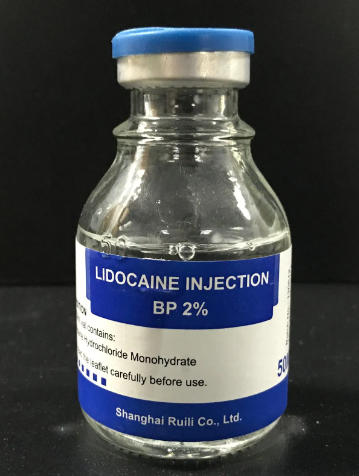
Answer: Lidocaine HCl is a water-soluble salt form that improves dosing precision and solubility in aqueous formulations, while non-salt lidocaine (free base) is less soluble, affecting formulation choices and release characteristics.[9][12]
Answer: Extra Strength lidocaine is typically chosen for procedures or products requiring higher anesthetic potency or longer duration, subject to regulatory approval and safe usage guidelines for the target market.[1][4]
Answer: Salt forms like Lidocaine HCl generally enable more uniform distribution and predictable onset in aqueous-based formulations, whereas non-salt forms may rely on different vehicles to achieve penetration, potentially altering onset time.[14][13]
Answer: Export requires compliance with GMP, complete COAs, proper labeling for each jurisdiction, and adherence to local pharmacopoeial and OTC/prescription status requirements; engaging regulatory experts speeds clearance.[2][6][13]
Answer: OEM services provide end-to-end solutions, including formulation customization, regulatory support, quality assurance, and packaging, whereas powder suppliers focus primarily on material supply, requiring buyers to manage downstream formulation and compliance.[14][2]
[1](https://pmc.ncbi.nlm.nih.gov/articles/PMC5457851/)
[2](https://www.sciencedirect.com/science/article/pii/S2405844024115642)
[3](https://curistrelief.com/blogs/curist/benzocaine-vs-lidocaine-better-pain-relief)
[4](https://pccarx.com/Blog/lidocaine-vs-lidocaine-hci3)
[5](https://www.liebertpub.com/doi/10.1089/jop.2015.0002)
[6](https://go.drugbank.com/drugs/DB00281)
[7](https://aap.onlinelibrary.wiley.com/doi/full/10.1002/JPER.23-0466)
[8](https://www.nature.com/articles/s41405-024-00275-8)
[9](https://en.wikipedia.org/wiki/Lidocaine)
[10](https://www.supplybenzocaine.co.uk)
[11](https://www.mayoclinic.org/drugs-supplements/lidocaine-topical-application-route/description/drg-20072776)
[12](https://pharmaoffer.com/zh-CN/api-excipient-supplier/local-anesthetics/lidocaine/coa-gmp-wc)
[13](https://www.ncbi.nlm.nih.gov/books/NBK539881/)
[14](https://pharmaoffer.com/zh-CN/api-excipient-supplier/local-anesthetics/lidocaine-hydrochloride)
Hot tags: Lidocaine HCL Uses, Extra Strength Lidocaine Benefits, Lidocaine HCL vs Extra Strength Comparison, Lidocaine HCL Side Effects, Extra Strength Lidocaine Cream, Lidocaine HCL Dosage, Lidocaine HCL Pain Relief, Extra Strength Numbing Gel, Lidocaine HCL Injection, Extra Strength Lidocaine Reviews