Content Menu
● pH Fundamentals for Lidocaine HCl
● Manufacturing and QA Implications
● Lidocaine Base vs Lidocaine HCl
● Comparison: Lidocaine Base vs Lidocaine HCl
● Conclusion and Call-to-Action
● FAQ
>> 1) What is the typical pH range for Lidocaine HCl injections?
>> 2) How does pH affect lidocaine HCl stability?
>> 3) Why is epinephrine sometimes added, and how does it affect pH?
>> 4) How is pH tested during manufacturing?
>> 5) What should OEMs consider when formulating Lidocaine HCl products for international markets?
Lidocaine hydrochloride (lidocaine HCl) is a widely used amide local anesthetic in both injectable and topical formulations. In pharmaceutical and medical-device contexts, the pH of lidocaine HCl preparations is a critical parameter that influences solubility, chemical stability, tolerability, and compatibility with other active ingredients and excipients. This article clarifies the pH behavior of lidocaine HCl solutions, explains how pH is controlled during manufacturing, and outlines practical guidance for contract manufacturers and brand owners seeking OEM services for lidocaine HCl–based products. The discussion covers chemistry, buffering strategies, co-formulation with vasoconstrictors, quality assurance, and regulatory considerations across international markets.
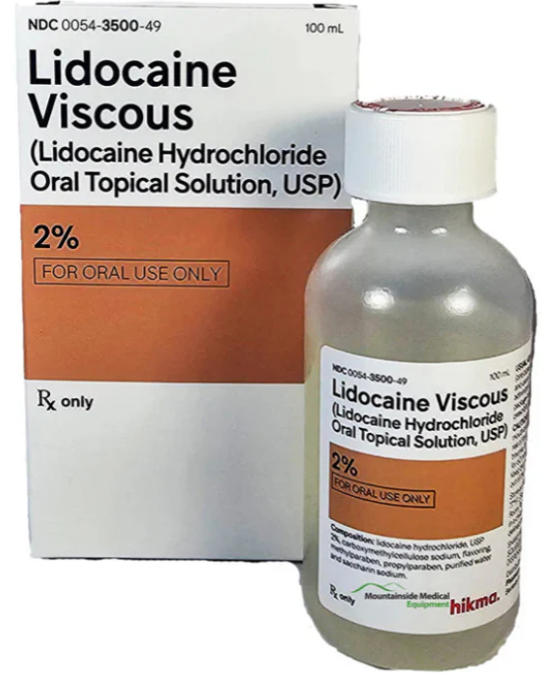
Lidocaine HCl is the hydrochloride salt of lidocaine, created to improve water solubility and enable reliable dosing in injectable and topical products. In its base form, lidocaine is less water-soluble, whereas the hydrochloride salt dissociates to lidocaine cations and chloride anions in aqueous media. The salt form is favored for injections, dermal gels, creams, and dermatological solutions because it dissolves readily and can be formulated at therapeutic concentrations with consistent bioavailability. The molecular framework comprises an amide core with a tertiary amine that becomes protonated in aqueous environments, enhancing solubility and enabling stable salt formation.
The pH of lidocaine HCl solutions is inherently acidic due to the presence of the chloride counterion and the protonated lidocaine species in aqueous media. In many pharmaceutical contexts, lidocaine HCl injections and reconstituted solutions are buffered to mildly acidic or near-neutral pH values to balance solubility, analgesic efficacy, and patient comfort. A representative reference indicates typical pH values for lidocaine HCl preparations commonly fall in the range of about 4.0 to 7.0, depending on concentration, co-formulated agents, and stability requirements. The pKa of lidocaine (base form) is about 7.8; in the salt form, the equilibrium shifts toward the protonated form, so buffering strategies focus on maintaining a pH that preserves solubility while minimizing irritation and maximizing the stability of any co-formulated actives such as epinephrine. In practice, formulations are designed to keep pH where it best preserves lidocaine's integrity and patient comfort, often around mildly acidic to near-neutral values, with specific targets dictated by the product's intended use and regulatory guidelines.
- Buffers and excipients: Phosphate and acetate buffers are commonly employed to maintain stable pH in lidocaine HCl preparations. Buffer choice and concentration influence pH drift under storage and during compounding. In some products, minor adjustments with acids or bases are used to fine-tune pH to the specified range.
- Epinephrine co-formulation: When lidocaine HCl is combined with epinephrine, pH becomes particularly important for vasoconstrictor stability. Epinephrine often necessitates tighter pH control to prevent oxidation and degradation, requiring validated buffering systems and stability testing.
- Container-closure interactions: The chosen pH must be compatible with packaging materials, including rubber closures and syringes, to avoid adsorption, leaching, or permeability effects that could alter potency or safety.
- Storage and stability: pH influences hydrolytic stability, oxidation potential, and overall shelf-life. Accelerated and real-time stability studies assess pH retention across temperatures and humidity to ensure product integrity throughout the stated shelf-life.
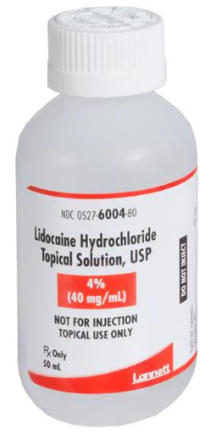
- GMP considerations: Rigorous control of raw materials, in-process pH monitoring, and documentation are essential. Final product pH must meet predefined specification ranges, with deviations flagged for investigation.
- pH testing methods: pH is typically measured with calibrated electrode-based meters in the aqueous phase. Calibration uses standard buffer solutions, and measurements should consider sample viscosity and temperature corrections when necessary.
- Quality control: Acceptable pH ranges are product-specific. Batch release criteria include pH limits, accompanying test results, and trend analyses to detect drift.
- Regulatory alignment: Pharmacopoeial references (e.g., USP) provide guidance on pH testing methods and acceptable ranges for lidocaine HCl products, though exact pH specifications can vary by regional formulation, strength, and whether vasoconstrictors are included.
Lidocaine base and lidocaine HCl differ in solubility, ionization behavior, and pH implications. The base form is less water-soluble and often requires dedicated solubilization strategies, while lidocaine HCl exists predominantly as a positively charged species in solution, yielding higher aqueous solubility and a more acidic pH environment. This distinction affects formulation approaches, stability profiles, and administration routes, reinforcing why most injectable lidocaine products use the HCl salt form for reliable dosing and rapid onset.
- Define target pH: Tailor the pH range to the intended use (injection vs topical) and the presence of co-active agents. A pH range around 5.0–7.0 is common for lidocaine HCl injections with or without vasoconstrictor additives, but exact targets should be set by formulation development teams based on stability data and regulatory requirements.
- Stability studies: Conduct comprehensive stability studies under representative storage conditions to confirm pH retention and the integrity of lidocaine HCl and any co-formulated actives over the product's shelf-life.
- Packaging compatibility: Validate pH compatibility with packaging materials (stoppers, seals, syringes) to prevent adsorption or leaching that could alter potency or safety.
- Documentation: Prepare complete CMC documentation, including specification sheets, method validation, and regulatory alignments for target markets. Provide COA/CoA packages and traceability for all batches.
- International readiness: Align formulations with regional pharmacopoeial expectations and regulatory expectations for GMP, quality control, and limited drift in pH during distribution in diverse climates.
- pH behavior: Lidocaine HCl, as a salt, tends to yield an acidic aqueous environment that supports solubility; lidocaine base requires pH adjustment strategies to achieve adequate solubility and stability.
- Practical impact: For clinicians and patients, the pH environment can influence injection comfort and tissue irritation; for manufacturers, it guides buffering choices, stability testing, and packaging compatibility.
- Outcome: The salt form (HCl) is generally favored for injectable solutions due to predictable solubility, while base forms are less common in clinical injections due to handling and solubility considerations.
- Visuals for chemical structure and salt formation: diagrams illustrating lidocaine's amide core and chloride counterion in lidocaine HCl.
- Buffers schematics: annotated charts showing phosphate/acetate buffer systems and their influence on pH in vial environments.
- pH measurement workflow: step-by-step flowchart of pH sampling, electrode calibration, and data recording in a GMP setting.
- Stability and degradation: graphs illustrating pH stability under accelerated storage conditions and representative stability curves.
- Media placeholders: note positions where each image/video will be inserted, with alt-text-ready captions and SEO-optimized file names.
Lidocaine HCl pH control is a foundational element of quality, efficacy, and patient comfort in injectable and topical products. With robust buffering strategies, validated testing methods, and careful packaging considerations, OEM manufacturers can deliver reliable lidocaine HCl formulations that meet global regulatory expectations and market demands. Interested brands and distributors are invited to engage with our OEM team for customized development programs, regulatory support, and contract manufacturing services. We can help design, validate, and scale lidocaine HCl products that align with your pipeline and regional requirements. NDA/CMC collaboration is welcome; contact us to start a discovery call and receive a tailored proposal.
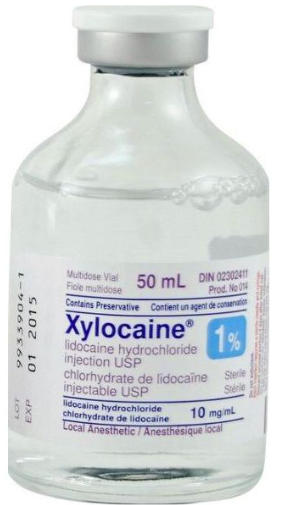
- Lidocaine HCl injections commonly aim for a mildly acidic to near-neutral pH range, often approximately 5.0 to 7.0, depending on formulation specifics and whether vasoconstrictors are included. The exact target is defined by stability data and regulatory expectations for the intended market.[1][4]
- pH influences chemical stability by affecting hydrolysis, oxidation potential, and salt interactions; optimal pH minimizes degradation pathways and maintains lidocaine efficacy throughout the shelf-life. Stability testing confirms the preferred pH window for each product.[2][5]
- Epinephrine requires careful pH control to maximize vasoconstrictor stability and minimize oxidation; formulations with Epinephrine often employ buffered systems that maintain a stable pH within a range supportive of both actives.[9][2]
- pH is typically measured using calibrated pH meters with standard buffer solutions, in-process sampling, and temperature corrections as needed. Final products are tested against predefined specifications to ensure consistency across batches.[4][5]
- OEMs should consider regional pharmacopoeial requirements (USP/EP/JP), packaging compatibility, cold-chain or ambient storage needs, regulatory submissions, and documentation such as COA/CoA and stability data that satisfy target markets.[5][4]
[1](https://pccarx.com/Blog/lidocaine-vs-lidocaine-hci3)
[2](https://patents.google.com/patent/WO2024137447A1/en)
[3](https://pubs.acs.org/doi/abs/10.1021/ie302064h)
[4](https://labeling.pfizer.com/ShowLabeling.aspx?id=4498)
[5](https://www.ncbi.nlm.nih.gov/books/NBK539881/)
[6](https://labeling.pfizer.com/ShowLabeling.aspx?id=14311)
[7](https://pubchem.ncbi.nlm.nih.gov/compound/Lidocaine-Hydrochloride)
[8](https://www.sciencedirect.com/science/article/pii/S1319016421001341)
[9](https://www.medicines.org.uk/emc/product/6281/smpc)
Hot tags: Lidocaine HCL pH, Lidocaine Hydrochloride Properties, pH of Lidocaine Solutions, Acidic Nature of Lidocaine, Lidocaine Injection pH, Buffered Lidocaine pH, Lidocaine pH Adjustment, Lidocaine Hydrochloride Stability, Lidocaine pH Range, Effects of pH on Lidocaine