Content Menu
● Overview of Penicillin G Procaine
● Indications and Therapeutic Uses
● Administration and Dosing Considerations
● Safety, Side Effects, and Interactions
● Administration in Special Populations and Considerations
● Manufacturing and OEM Considerations
● Market Opportunities and Collaboration
● FAQ
>> 1. What infections is Penicillin G Procaine effective against?
>> 2. How is Penicillin G Procaine administered?
>> 3. What are common side effects of Penicillin G Procaine?
>> 4. Can Penicillin G Procaine be used in all patient populations?
>> 5. What should OEM partners consider when manufacturing Penicillin G Procaine?
Penicillin G Procaine, a long-acting penicillin antibiotic formed by combining penicillin G with procaine, is designed for intramuscular administration to deliver sustained therapeutic levels. This formulation provides an extended release profile that can simplify dosing schedules in certain moderately severe infections caused by penicillin G–susceptible organisms. Its clinical utility is balanced by precise indications, susceptibility patterns, and safety considerations that guide when alternative formulations or different routes of administration are preferred. For manufacturers and brand owners engaged in OEM/ODM partnerships, understanding these pharmacologic properties, regulatory expectations, and market needs is essential for developing compliant, high-quality products suitable for international distribution. This article presents a detailed overview of uses, administration, safety, manufacturing considerations, and market opportunities, with a focus on partnership potential for overseas brands and wholesalers seeking reliable Chinese production capabilities.
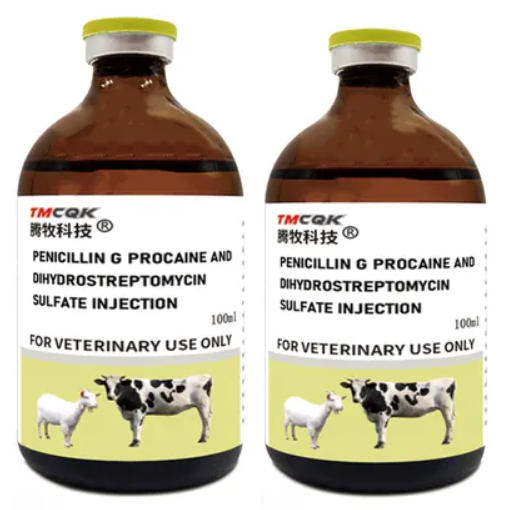
Penicillin G Procaine is a combination injectable suspension comprising penicillin G and procaine. The procaine component serves as a local anesthetic and a vehicle that prolongs the release of penicillin G from the injection site, producing sustained systemic penicillin activity over an extended period. Clinically, this translates to a dosing strategy that emphasizes persistent antibacterial exposure while minimizing the need for frequent injections in selected infection scenarios. For OEM providers, the formulation's stability, sterility, and compatibility with packaging designs in various markets are central to quality and regulatory compliance. The pharmacokinetic profile—characterized by slower absorption and prolonged serum penicillin levels—must be aligned with evidence-based indications, susceptibility data, and local guidelines to ensure safe and effective use. Integrating these aspects into a manufacturing and supply chain plan strengthens the case for OEM collaborations that emphasize robust GMP systems, proper validation, and traceability across batches. Throughout, manufacturers should reference authoritative pharmacology sources and current clinical guidelines to ensure accuracy and reproducibility in product labeling and marketing materials.
Penicillin G Procaine is indicated for treating moderately severe infections in adults and pediatric patients caused by penicillin G–susceptible organisms. Clinicians typically rely on bacteriological studies, including susceptibility testing, to tailor therapy and assess whether the prolonged-release profile will achieve adequate therapeutic exposure in a given infection. In settings where rapid attainment of high serum levels is required, aqueous penicillin G given intramuscularly or intravenously may be preferred, underscoring the importance of selecting the appropriate formulation to match infection severity and pharmacodynamics.
Common indications historically associated with Penicillin G Procaine include moderately severe infections of the upper respiratory tract, skin and soft tissues, and some conditions caused by susceptible streptococci. In pneumococcal infections, the sustained release of penicillin G Procaine may be beneficial in certain non-severe cases, while more severe pneumococcal disease or infections with bacteremic involvement often necessitate alternative regimens or administration routes. Clinicians must also consider local resistance patterns, patient age, renal function, and allergy history when prescribing this formulation. For OEM partners, translating these clinical nuances into clear labeling, dosing charts, and patient information is crucial to meet both regulatory expectations and end-user needs. Contemporary guidelines emphasize that high, sustained serum levels are sometimes better achieved with other injectable penicillin formulations, reinforcing the need for precise product positioning in international markets.
Penicillin G Procaine is typically administered via intramuscular injection, with dosing regimens tailored to infection severity, patient weight or age, and microbial susceptibility. Because of the long-acting nature of this formulation, dosing intervals are generally less frequent than those for short-acting penicillin preparations, but exact schedules depend on regional guidelines and the infection's clinical course. If rapid or high peak serum levels are required, clinicians may opt for aqueous penicillin G administered intramuscularly or intravenously. For OEM manufacturers, it is essential to provide dosing guidance that reflects evidence-based practice, including appropriate intervals between injections, maximum recommended doses per episode, and considerations for pediatric versus adult patients. Packaging and labeling should clearly communicate dosing intervals, re-administration criteria, and cautions in patients with renal impairment, pregnancy considerations, or known allergies. The depth and clarity of this information help ensure safe administration in diverse international markets and support successful partnerships with overseas distributors and healthcare providers.
As with other beta-lactam antibiotics, Penicillin G Procaine can cause adverse reactions ranging from mild injection-site discomfort to serious hypersensitivity events. Common adverse effects include local reactions at the injection site, occasional gastrointestinal symptoms, and transient malaise. Serious allergic reactions, including anaphylaxis, require immediate medical attention. Clinicians must assess a patient's history of penicillin hypersensitivity before initiating therapy. In pregnancy and breastfeeding, penicillin G procaine is generally considered compatible when clinically indicated, but this decision should be guided by a clinician's assessment of risk and benefit.
Drug interactions may influence penicillin pharmacodynamics or increase adverse event risk. For example, concurrent administration of other nephrotoxic or allergenic agents may require monitoring. In the context of manufacturing, OEM partners should emphasize comprehensive pharmacovigilance, clear adverse event reporting procedures, and robust post-market surveillance plans to meet international regulatory expectations. Providing explicit safety data in labeling, patient information leaflets, and clinician-facing materials helps minimize risk and supports safe use across markets.
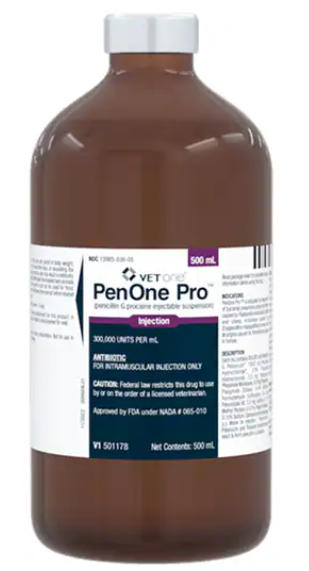
Certain populations require additional cautions. In patients with a history of severe allergic reactions to penicillin or other beta-lactam antibiotics, alternative therapies should be considered. In pediatric or elderly patients, dosing must be carefully adjusted and monitored. For patients with renal impairment, dose adjustments or alternative regimens may be necessary. These considerations have direct implications for manufacturers: product labeling, dosing charts, and patient information must reflect such nuances to ensure safe usage and to satisfy regulatory requirements for labeling across different jurisdictions. OEM manufacturers should work closely with regulatory affairs teams to align labeling with international standards and to facilitate cross-border distribution.
From an OEM perspective, Penicillin G Procaine presents several manufacturing-focused considerations:
- Quality and Purity: Use pharmaceutical-grade penicillin G and procaine components with validated impurity profiles, ensuring compliance with GMP and pharmacopoeial standards.
- Sterility and Stability: Implement sterile manufacturing processes, robust aseptic controls, and stability testing under various storage conditions to extend shelf life while maintaining potency.
- Packaging Design: Develop packaging that protects product integrity, includes multilingual labeling for target markets, and complies with regulatory requirements regarding dosage, storage, and dosage form nuances.
- Regulatory Compliance: Map regulatory pathways for each intended market, including pharmacovigilance requirements, post-market commitments, and labeling approvals aligned with local guidelines and international standards.
- Traceability and Batch Records: Maintain rigorous batch records, lot traceability, and serialization where applicable to support recall procedures and quality control.
- Safety and Handling: Provide clear handling and administration instructions, with patient-facing materials that explain potential adverse effects and what to do in case of overdose or reaction.
- Supply Chain and Logistics: Manage cold-chain or controlled storage needs if applicable, and establish reliable distribution channels to meet international demand, while ensuring timely regulatory documentation accompanies shipments.
For overseas brands, wholesalers, and manufacturers seeking reliable ODM/OEM partnerships, Penicillin G Procaine offers a pathway to supply-chain resilience through established manufacturing capabilities, quality systems, and regulatory know-how. A Chinese production base with proven expertise in biotech and pharmaceutical manufacturing can provide end-to-end support—from raw material sourcing and formulation development to quality control, packaging engineering, and regulatory documentation—helping international partners bring compliant, market-ready products to diverse markets. The value proposition includes cost-competitive pricing, scalable manufacturing capacity, and the ability to customize packaging and labeling to meet country-specific requirements, all under strict GMP guidelines and quality assurance processes. By aligning technical specifications with customer needs and regulatory expectations, manufacturers can offer a compelling ODM/OEM solution that accelerates time-to-market and reduces supply-chain risk for global customers.
Penicillin G Procaine remains a historically important, long-acting penicillin antibiotic with specific clinical utilities that respond to sustained serum levels and particular infection profiles. For OEM partners, a successful collaboration hinges on robust manufacturing quality, clear regulatory labeling, accurate dosing guidance, and proactive pharmacovigilance. This holistic approach ensures that every product not only meets international standards but also delivers dependable, safe therapeutic outcomes for patients across markets. By engaging with experienced production facilities that specialize in biotechnologies and medical devices, overseas brands and wholesalers can leverage proven processes, strict quality control, and tailored packaging to expand access to Penicillin G Procaine in global healthcare systems. If seeking a reliable ODM/OEM partner, initiate a direct inquiry to explore customized solutions, including formulation validation, packaging design, regulatory documentation, and end-user training resources. Contact us to know more!
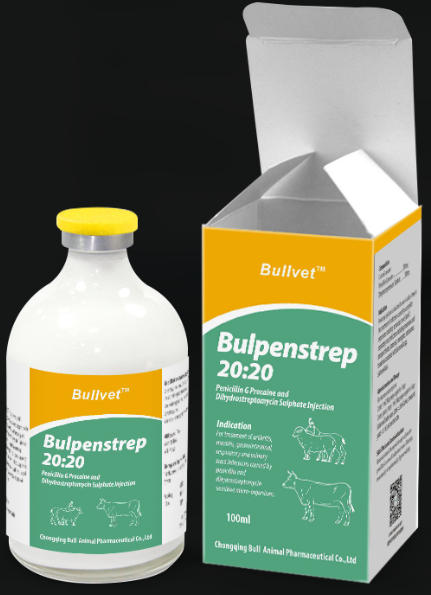
- Penicillin G Procaine is effective against infections caused by penicillin G–susceptible organisms, including certain streptococci and other bacteria. Susceptibility testing and clinical response guide therapy. [citation needed]
- It is administered by intramuscular injection, with dosing tailored to infection type, severity, and patient factors. For high- or rapid-acting needs, aqueous penicillin G may be preferred. [citation needed]
- Common adverse effects include injection-site reactions and mild gastrointestinal symptoms; severe allergic reactions require urgent medical attention. [citation needed]
- Use depends on allergy history, pregnancy status, renal function, and local guidelines; consult healthcare professionals for individual risk-benefit assessment. [citation needed]
- GMP compliance, raw material purity, stability, packaging, labeling, and regulatory approvals for target markets are essential considerations for reliable OEM manufacturing. [citation needed]
[1](https://www.rxlist.com/penicillin-g-procaine-drug.htm)
[2](https://en.wikipedia.org/wiki/Procaine_benzylpenicillin)
[3](https://medlineplus.gov/druginfo/meds/a615052.html)
[4](https://reference.medscape.com/drug/penicillin-g-procaine-999572)
[5](https://go.drugbank.com/drugs/DB09320)
[6](https://www.mayoclinic.org/drugs-supplements/penicillin-g-benzathine-and-penicillin-g-procaine-intramuscular-route/description/drg-20452194)
[7](https://my.clevelandclinic.org/health/drugs/18945-penicillin-g-benzathine-penicillin-g-procaine-injection)
[8](https://www.ncbi.nlm.nih.gov/books/NBK554560/)
Hot tags: Penicillin G Procaine Uses, Antibiotic Treatment Penicillin G, Procaine Injection Benefits, Penicillin G Procaine Side Effects, Bacterial Infections Treatment, Penicillin G Procaine Dosage, Procaine Benzylpenicillin Information, Penicillin G Procaine Injection, Antibiotic Resistance Prevention, Penicillin G Procaine Indications