Content Menu
● What Procaine HCL is and how it works
● Primary medical uses and procedural contexts
● Manufacturing and supply considerations for OEMs
● Comparative overview with alternatives
● Safety, side effects, and contraindications
● Quality assurance, QA, and risk management for OEM partners
● Operational considerations for global reach
● FAQ
>> 1) What are the common clinical applications of Procaine HCL?
>> 2) How does Procaine HCL compare with lidocaine in onset and duration?
>> 3) What regulatory considerations should OEMs be aware of when manufacturing Procaine HCL?
>> 4) What packaging formats are suitable for Procaine HCL, and what stability factors matter?
- What Procaine HCL is: a classic ester local anesthetic used historically in various surgical, dental, and diagnostic procedures to produce temporary loss of sensation. It is often formulated as Procaine hydrochloride in aqueous solutions for injections or infiltration anesthesia. In OEM and contract-manufacturing contexts, Procaine HCL's role centers on formulation compatibility, stability within multi-component products, and regulatory alignment for global markets. This section sets the stage for its significance to foreign brands, wholesalers, and manufacturers seeking reliable local anesthetic components.
- Market and manufacturing relevance: although newer agents have emerged, Procaine HCL remains of interest for legacy products, specific regional practices, and niche procedural applications where cost or availability drives continued use. Emphasize the opportunity for contract manufacturers to offer high-quality, GMP-compliant Procaine HCL-based formulations, with robust QA, traceability, and customization options to meet international customer demands.
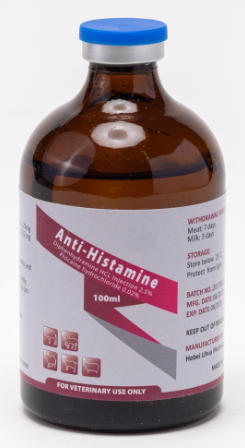
- Chemical and pharmacological profile: Procaine HCL is an ester-type local anesthetic. It functions by blocking voltage-gated sodium channels in nerve membranes, thereby inhibiting action potential propagation and providing transient numbness in the targeted area. Its onset is relatively rapid, with duration typically shorter than lidocaine, depending on concentration, presence of vasoconstrictors, and tissue vascularity. In OEM contexts, controlling purity, residual solvent levels, and stability in specific dosage forms is critical.
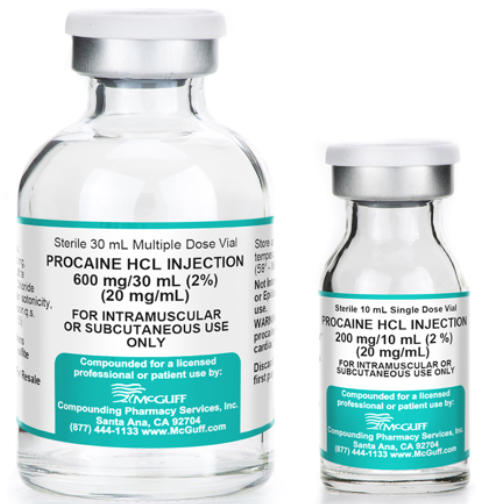
- Formulations and administration routes: commonly supplied as 1% or 2% solutions for infiltration, nerve blocks, or regional anesthesia, frequently co-formulated with vasoconstrictors like epinephrine to prolong anesthesia and reduce systemic absorption. Packaging formats span ampoules, vials, and prefilled devices depending on regional regulatory expectations and customer needs.
- Local anesthesia in procedures: Procaine HCL is employed to provide localized numbness during dental work, minor surgical procedures, and diagnostic interventions such as needle insertions, aspirations, and biopsy-related anesthesia. It's sometimes used in peri-procedural analgesia to reduce pain and improve patient comfort during short interventions.
- Special use cases: historic and niche procedures have utilized Procaine HCL for short-acting regional blocks or intra-articular injections, though modern practice increasingly favors alternatives with longer duration or more favorable safety profiles. For OEM developers, understanding these use cases helps tailor formulations, stability testing, and packaging to customer requirements.
- Quality, GMP, and regulatory alignment: OEM partnerships should emphasize high-grade APIs, rigorous QA processes, validated manufacturing workflows, and adherence to pharmacopeial standards (e.g., USP, EP) and regional GMP guidelines. Documentation such as COAs, batch records, and stability data under various storage conditions are essential to build trust with overseas brands and distributors.
- Packaging and stability: select packaging configurations (ampoules, prefilled syringes, or vials) that align with intended use and transport conditions across markets. Stability testing under accelerated and real-time conditions helps ensure performance from manufacturing site to point-of-care.
- Regulatory landscape and market entry: different regions have varying acceptance of Procaine HCL products, labeling requirements, and safety communications. OEM suppliers should offer guidance on regulatory pathways, import requirements, and post-market surveillance considerations to help customers navigate compliance effectively.
- Supply chain resilience: robust supplier qualification, anti-counterfeiting measures, serialization where applicable, and transparent supply chain mapping are critical for global customers who require reliable access to local anesthetic components.
- Pros and cons vs other local anesthetics: Procaine HCL is typically more affordable and historically well-established but has a shorter duration of action and variable potency compared to lidocaine, mepivacaine, or bupivacaine. In certain settings, the use of vasoconstrictors with Procaine HCL helps extend its effect and reduce systemic absorption, but modern alternatives might offer improved safety profiles or patient tolerability.
- Niche applications and legacy use: some clinics and regions maintain Procaine HCL usage due to formulary constraints, patient tolerance, or supply chain considerations. For OEMs, this highlights the value of flexible formulation capabilities to accommodate legacy or region-specific demand alongside modern alternatives.
- Common adverse effects: as with any local anesthetic, potential risks include local tissue reactions, transient neurologic symptoms, vasovagal responses, and, rarely, systemic toxicity if absorbed in large amounts. Monitoring and dosage control are essential, particularly when using vasoconstrictors.
- Contraindications and precautions: Procaine HCL should be used with caution in patients with allergies to ester-type anesthetics, and in those with cardiovascular or neurologic conditions where local anesthetic toxicity could be more dangerous. Interactions with other medications, particularly vasopressors and certain antibiotics, require careful consideration.
- Handling and administration: proper aseptic technique, appropriate syringe and needle selection, and adherence to recommended concentrations help minimize risks. For OEM manufacturers, providing clear usage guidelines and compatible crimped packaging and labeling is part of a reliable product offering.
- Documentation and traceability: maintain robust documentation trails, batch-level traceability, and incident reporting mechanisms to address any safety concerns promptly.
- Stability and compatibility testing: ensure compatibility with common diluents, preservatives, and other excipients used in multi-component formulations. Conduct periodic re-testing for purity, residual solvents, and pH stability across time and temperature variations.
- Customer support and technical data: supply detailed MSDS, IFU (instructions for use), and technical data sheets highlighting handling precautions, storage, and disposal guidelines. Clear communication supports customer confidence in OEM partnerships.
- Global logistics and regulatory timelines: support customers with regulatory filings, labeling translations, and documentation required for different countries, helping to accelerate time-to-market.
- Localization and customization: offer tailored packaging, labeling, and dosing regimens to meet regional preferences, clinical practices, and hospital procurement requirements. Provide scalable manufacturing options to accommodate varying order sizes.
Procaine HCL remains a historically significant local anesthetic with a well-established manufacturing and supply chain profile. For overseas brands and distributors seeking reliable contract manufacturing partners, a compliant, quality-focused OEM offering can deliver consistent product performance, regulatory readiness, and flexible packaging solutions tailored to diverse markets. A capable partner can help modernize applications, integrate Procaine HCL into legacy formulations, and expand access to global customers through rigorous QA and responsive technical support. This creates opportunities to leverage Procaine HCL within a broader portfolio of injectable and topical anesthetics, aligning with evolving market needs while ensuring safety and regulatory compliance.
If your organization is pursuing OEM partnerships for Procaine HCL-based products, contact us to discuss formulation options, regulatory pathways, and customized packaging solutions that meet your market requirements. Our team can provide technical guidance, compliant documentation, and a clear roadmap from development to distribution.
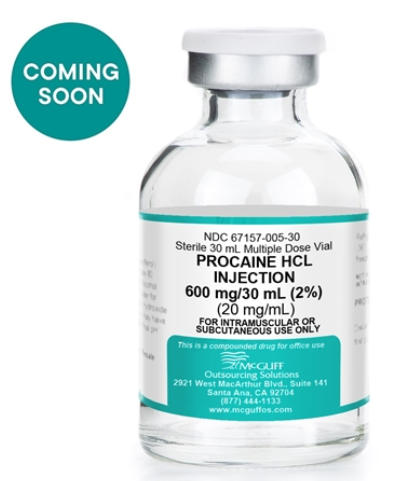
- Local anesthesia for minor surgical procedures, dental work, dermatologic procedures, and diagnostic interventions. Procaine HCL is used to temporarily numb targeted tissues to allow painless manipulation, suturing, or diagnostic sampling.
- Infiltration and regional anesthesia: suitable for superficial tissue anesthesia and certain nerve blocks, especially when rapid onset and short duration are advantageous.
- Adjuncts during procedures: used outdoors or in field settings where quick, short-duration anesthesia is beneficial. When combined with vasoconstrictors such as epinephrine, it can extend local effect and reduce systemic absorption.
- Historical and niche uses: while largely supplanted by longer-acting amide anesthetics in many settings, procaine remains relevant in certain legacy protocols, specific regional practices, or where cost considerations favor its use.
- Onset: Procaine HCL typically acts rapidly, often within several minutes, but exact timing depends on formulation and tissue vascularity. Lidocaine also has a rapid onset, and in many settings, its pharmacokinetic profile is slightly more predictable.
- Duration: Procaine HCL generally provides a shorter duration of anesthesia compared with lidocaine, especially when used without vasoconstrictors. The addition of epinephrine can prolong the effect for both agents, but lidocaine often remains the longer-acting option among common clinical choices.
- Clinical and readiness considerations: due to shorter duration and variable potency, procaine is more common in brief procedures or historical contexts, whereas lidocaine or other amide anesthetics are preferred for longer procedures or where stable, extended analgesia is required.
- Safety and tolerability: lidocaine tends to have a broader modern safety profile with extensive clinical data; procaine's use is more limited by its shorter duration and potential for variability in response. OEM strategies can address this by offering dual-portfolio formulations or interchangeable excipients to align with customer preferences.
- GMP compliance and quality documentation: ensure supplier GMP certification, full batch records, certificates of analysis, and stability data. Provide multilingual labeling options and complete safety data sheets to facilitate cross-border distribution.
- Pharmacopoeial and regional standards: align with recognized pharmacopoeias (e.g., USP, EP) and meet local regulatory requirements for local anesthetics in target markets. This includes purity specifications, impurity profiles, and residual solvent limits.
- Packaging and labeling localization: prepare packaging configurations suitable for different markets (ampoules, vials, prefilled syringes) with country-specific labeling, dosage instructions, contraindications, and storage conditions.
- Pharmacovigilance and post-market surveillance: implement a system for adverse event reporting and ongoing safety monitoring in line with regional expectations. Be prepared to provide post-market support and rapid corrective actions if safety signals arise.
- Documentation for market entry: assemble regulatory dossiers, translation of IFUs, SDS, and product monographs, and region-specific regulatory submissions or notifications as required by customers and authorities.
- Cold chain and storage requirements: establish documented storage conditions and handling guidelines to preserve potency and stability throughout the distribution network.
- Packaging formats: common formats include ampoules for single-use administration, vials for dilution and multi-use settings, and potentially prefilled syringes for faster clinical use. The choice depends on regional practice, clinical workflow, and regulatory expectations.
- Stability considerations: maintain appropriate pH, temperature control, and protection from light and moisture. Stability data should cover the intended shelf life under standard and accelerated conditions, ensuring potency and sterility (where applicable) over time.
- Compatibility: assess compatibility with diluents, preservatives (if used), and co-administered agents (e.g., vasoconstrictors). This reduces risk of precipitation, changes in pH, or degradation that could affect efficacy or safety.
- Quality control: rigorous testing for potency, sterility (for injectable formulations), endotoxins (where applicable), and residual solvents. Include lot-specific stability and expiry data in COAs to support downstream QA.
- Allergic risk and patient screening: screen for known allergies to ester-type anesthetics. Have emergency management protocols ready in clinics and assembly lines in case of hypersensitivity reactions.
- Dose accuracy and administration: adhere strictly to recommended concentrations and volumes. Use calibrated syringes and clear administration guidelines to minimize the risk of overdose or intravascular injection.
- Monitoring for adverse reactions: observe for signs of local anesthetic systemic toxicity (LAST), including circumoral numbness, dizziness, tinnitus, metallic taste, seizures, or cardiovascular instability. Establish rapid intervention protocols.
- Storage and handling: follow recommended storage conditions to preserve potency and prevent degradation. Use closed, sterile systems to reduce contamination risk.
- Environmental and occupational safety: ensure proper handling of chemicals and solvents used in formulation, with appropriate ventilation, PPE, and spill response procedures.
[1](https://www.chemicalbook.com/article/procaine-hydrochloride-mechanism-of-action-clinical-applications-and-side-effect.htm)
[2](https://www.webmd.com/vitamins/ai/ingredientmono-391/procaine)
[3](https://en.wikipedia.org/wiki/Procaine)
[4](https://www.ncbi.nlm.nih.gov/books/NBK551556/)
[5](https://go.drugbank.com/drugs/DB00721)
[6](https://jamanetwork.com/journals/jama/fullarticle/1160031)
[7](https://www.mims.com/hongkong/drug/info/procaine?mtype=generic)
[8](https://synapse.patsnap.com/article/what-is-procaine-hydrochloride-used-for)
[9](https://www.sciencedirect.com/science/article/abs/pii/S0099542808606280)
Hot tags: Procaine HCL Uses, Local Anesthetic Applications, Procaine Injection Benefits, Pain Management Procaine, Procaine HCL Side Effects, Procaine for Dental Procedures, Procaine HCL Mechanism, Procaine HCL Dosage, Procaine HCL in Surgery, Procaine HCL Alternatives