Content Menu
● Pharmacokinetics and Mechanism of Action
>> Absorption and Distribution
● FAQs
>> 1. What is the main difference between Lidocaine USP and Lidocaine HCL?
>> 2. Can Lidocaine USP be used for injections?
>> 3. Are there any side effects associated with lidocaine?
>> 4. How is lidocaine metabolized in the body?
>> 5. Is lidocaine safe for everyone?
Lidocaine is a widely used local anesthetic that plays a crucial role in various medical procedures. Understanding the differences between Lidocaine USP (United States Pharmacopeia) and Lidocaine HCL (Hydrochloride) is essential for healthcare professionals, manufacturers, and patients alike. This article will explore the chemical properties, uses, and clinical implications of both forms of lidocaine, providing a comprehensive overview for those interested in this important medication.
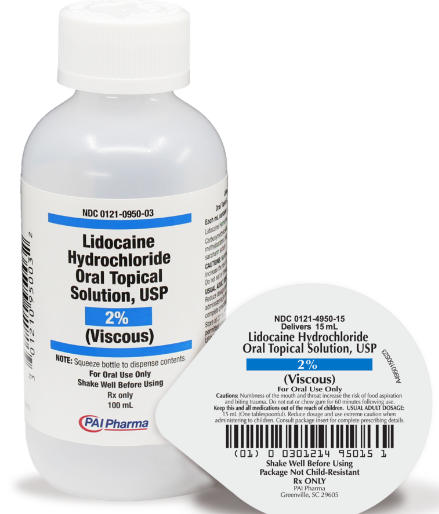
Lidocaine is an amide-type local anesthetic that is commonly used to numb tissue in a specific area. It works by blocking nerve signals in the body, providing pain relief during surgical procedures, dental work, and other medical interventions. Lidocaine is available in various formulations, including topical creams, gels, and injectable solutions.
1. Lidocaine USP: This form of lidocaine is often referred to as the "free base" because it is not bound with chloride and water. It has a molecular weight of 234.34 g/mol and is not soluble in water, but it is soluble in organic solvents like ethyl alcohol and oils. Lidocaine USP is considered the non-ionized form of the drug, which can affect its absorption and efficacy.
2. Lidocaine HCL: Lidocaine hydrochloride is the hydrochloride salt form of lidocaine. It is a white powder that is freely soluble in water, with a molecular weight of 288.82 g/mol. The hydrochloride form is more commonly used in clinical settings due to its solubility and stability in aqueous solutions.
Both forms of lidocaine are used in various medical applications, but their specific uses may differ based on their chemical properties.
- Topical Applications: Lidocaine USP is often used in anhydrous formulations, such as creams and ointments, for localized pain relief. It is particularly effective in treating neuropathic pain and can be used in compounding pharmacies to create customized formulations.
- Non-Ionic Form: The non-ionized nature of Lidocaine USP allows for better penetration through biological membranes, making it suitable for certain topical applications.
- Injectable Solutions: Lidocaine HCL is commonly used in injectable forms for local anesthesia during surgical procedures. Its water solubility allows for easy administration and rapid onset of action.
- Cardiac Applications: Lidocaine HCL is also used as an antiarrhythmic agent to treat ventricular arrhythmias. It works by stabilizing the cardiac membrane and reducing excitability.
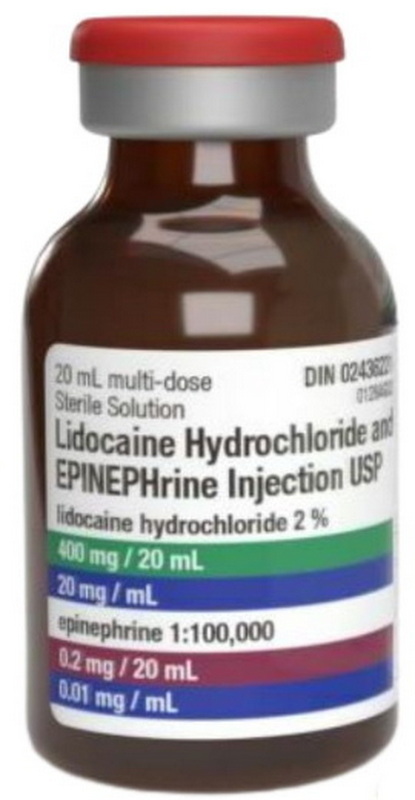
Lidocaine works by inhibiting sodium influx through voltage-gated sodium channels in neuronal cell membranes. This action prevents the generation and propagation of action potentials, effectively blocking pain signals.
- Lidocaine USP: Due to its non-ionized form, Lidocaine USP may have a slower absorption rate when applied topically compared to its hydrochloride counterpart.
- Lidocaine HCL: The hydrochloride form is rapidly absorbed when injected, leading to a quicker onset of action. It is also more readily distributed in the bloodstream.
Both forms of lidocaine are metabolized in the liver, primarily by cytochrome P450 enzymes. The metabolites are then excreted through the kidneys. The half-life of lidocaine can vary based on the formulation and route of administration.
Both Lidocaine USP and Lidocaine HCL are generally considered safe when used as directed. However, they can cause side effects, including:
- Common Side Effects: Nausea, dizziness, and local irritation at the injection site.
- Serious Side Effects: Allergic reactions, seizures, and cardiovascular complications in rare cases.
- Lidocaine USP: Should be used with caution in patients with known allergies to local anesthetics.
- Lidocaine HCL: Contraindicated in patients with certain heart conditions, such as Stokes-Adams syndrome or severe degrees of heart block.
In summary, while both Lidocaine USP and Lidocaine HCL serve similar purposes as local anesthetics, their chemical properties, solubility, and clinical applications differ significantly. Understanding these differences is crucial for healthcare providers and patients to ensure the safe and effective use of lidocaine in various medical settings.
If you are a healthcare provider, manufacturer, or patient interested in learning more about lidocaine formulations or seeking OEM services for lidocaine products, please contact us for more information. Our expertise in biotechnology and pharmaceutical manufacturing can help meet your specific needs. Contact us to know more!
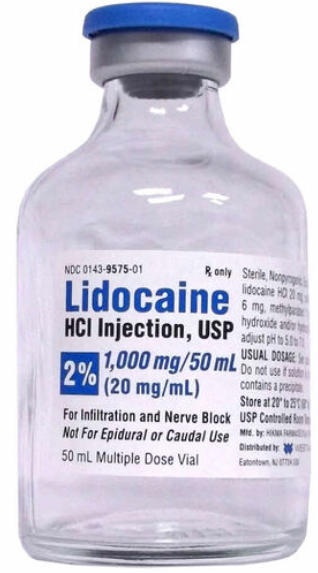
Lidocaine USP is the non-ionized form of lidocaine, while Lidocaine HCL is the hydrochloride salt form that is water-soluble and commonly used in injectable solutions.
Lidocaine USP is primarily used in topical formulations, while Lidocaine HCL is preferred for injections due to its solubility and rapid onset of action.
Common side effects include nausea and dizziness, while serious side effects can include allergic reactions and cardiovascular complications.
Lidocaine is metabolized in the liver by cytochrome P450 enzymes and excreted through the kidneys.
Lidocaine is generally safe but should be used with caution in patients with known allergies to local anesthetics or certain heart conditions.
Hot tags: Lidocaine USP, Lidocaine HCL, Lidocaine Differences, Local Anesthetics, Lidocaine Uses, Lidocaine Side Effects, Lidocaine Dosage, Lidocaine Hydrochloride, Lidocaine Injection, Lidocaine Formulations