Content Menu
● Overview of Procaine Hydrochloride
● Primary Clinical Uses of Procaine Hydrochloride
>> Local Anesthesia for Minor Surgery and Dental Procedures
>> Peripheral Nerve Blocks and Spinal Anesthesia
>> Pain Relief During Injection Therapies
>> Investigational and Adjunctive Applications
● Pharmacological Mechanism of Procaine Hydrochloride
● Advantages of Using Procaine Hydrochloride
● Frequently Asked Questions (FAQ)
>> 1. What distinguishes procaine from other local anesthetics like lidocaine?
>> 2. How long does the numbness from procaine last?
>> 3. Can procaine be used for general anesthesia?
>> 4. Are there any significant risks when using procaine?
>> 5. Is procaine still relevant in modern medical practice?
Procaine Hydrochloride, commonly known as Novocaine, is a local anesthetic widely used in medical and dental procedures to numb specific areas and prevent pain during interventions. Developed in the early 20th century, procaine became a key alternative to cocaine, offering safer and non-addictive anesthesia. Today, it remains integral in various minor surgeries and dental treatments. This article provides a comprehensive overview of procaine hydrochloride's uses, pharmacology, benefits, limitations, and safety while discussing its enduring role in medicine.
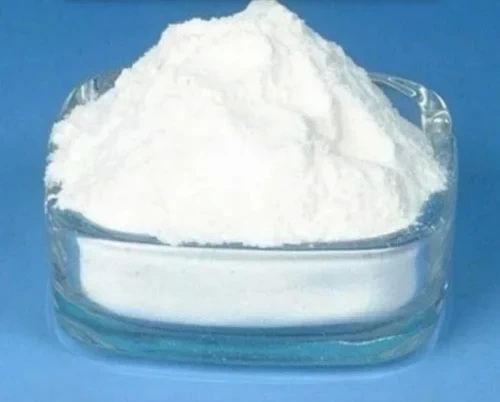
Procaine Hydrochloride is classified as an ester-type local anesthetic. It works by blocking sodium channels on nerves, which stops the transmission of pain signals to the brain. When injected into a localized area, it causes numbness, enabling pain-free medical or dental procedures. Procaine is typically prepared in solution concentrations ranging from 1% to 10%, depending on the clinical need. Unlike cocaine, it does not cause euphoria or addiction. The body metabolizes procaine rapidly via plasma esterases into inactive components that are eliminated through the kidneys, contributing to its relatively short duration of effect.
The primary and most widespread use of procaine hydrochloride is as a local anesthetic for numbing tissues during minor surgeries and dental interventions. Procedures such as tooth extractions, cavity fillings, biopsies, and small skin surgeries commonly use procaine injections for effective pain control. By inhibiting the initiation and conduction of nerve impulses, procaine allows surgeons and dentists to perform treatments without causing discomfort to the patient, while maintaining full consciousness.
Beyond infiltration anesthesia, procaine is utilized in peripheral nerve blocks and spinal anesthesia, which are techniques aimed at numbing a larger area or entire limb. In orthopedic and vascular surgeries, nerve blocks involving procaine can reduce or eliminate pain in specific regions of the body. Spinal anesthesia with procaine can provide temporary paralysis and analgesia for surgeries involving the lower abdomen, pelvis, or lower limbs, offering a targeted alternative to general anesthesia.
Procaine hydrochloride is sometimes combined with medications such as penicillin to minimize the pain of intramuscular injections. This practice enhances patient comfort and decreases the distress associated with certain injections, improving patient compliance with treatment protocols.
Although procaine is predominantly recognized for its anesthetic properties, research has explored its potential uses beyond anesthesia. These include:
- Anti-aging Treatments: Some practitioners have investigated procaine for its purported benefits in slowing aging processes by improving circulation or cellular metabolism, although conclusive scientific support is lacking.
- Neurological and Psychological Conditions: There have been studies into procaine's effects on dementia, depression, and cerebral atherosclerosis, hypothesizing that it may influence neurotransmitter systems.
- Anti-inflammatory Effects: Its use to relieve symptoms of arthritis or to promote hair growth has been proposed but remains controversial without robust clinical trials.
Despite these interests, the majority of such uses are experimental and not widely endorsed by the medical community.
Procaine exerts its anesthetic effect primarily by reversibly binding to voltage-gated sodium channels in the neuronal cell membrane. By blocking these channels, procaine inhibits the rapid influx of sodium ions necessary for the depolarization phase of the nerve action potential. Without this electrical signal propagation, pain signals from the peripheral tissues cannot reach the central nervous system, resulting in localized numbness.
Additionally, procaine has vasodilatory effects, which increase local blood flow. While this can facilitate faster drug absorption and shorter anesthesia duration, clinicians often combine procaine with vasoconstrictors such as epinephrine to constrict blood vessels. This prolongs anesthesia, reduces bleeding during surgery, and limits systemic absorption, enhancing safety.
Recent research suggests that procaine may also interact with various neurotransmitter receptors such as muscarinic cholinergic, NMDA, nicotinic acetylcholine, and serotonin receptors. These interactions remain subjects of ongoing study and may lead to insights into both its therapeutic potential and side effect profile.
Procaine offers several benefits:
- Effective Local Pain Relief: Quickly provides numbness enabling painless procedures.
- Rapid Onset: Typically takes effect within minutes after injection.
- Non-Addictive Nature: Lacks the psychoactive effects and addictive potential found in cocaine.
- Cost-Effectiveness: Economical to produce and widely available globally.
- Established Safety Profile: Decades of clinical use have demonstrated overall safety when administered properly.
Despite its many advantages, procaine has some disadvantages:
- Short Duration: Anesthesia often lasts only 30 to 60 minutes, which is shorter than newer anesthetics like lidocaine.
- Allergic Reactions: Though rare, allergic responses or hypersensitivity can occur, particularly in individuals with ester anesthetic allergies.
- Limited Spectrum of Use: It is only suitable for local or regional anesthesia and cannot replace general anesthesia for major surgeries.
- Insufficient Data for Non-Anesthetic Uses: Claims regarding anti-aging or neurological benefits are not yet supported by robust clinical evidence.
When administered by trained healthcare providers, procaine hydrochloride is generally safe. Mild side effects may include erythema, rash, or localized swelling at the injection site. Severe adverse reactions such as systemic toxicity are uncommon but can arise from overdose or inadvertent intravascular injection. Symptoms of toxicity involve CNS effects such as dizziness, seizures, or cardiovascular complications including hypotension or arrhythmias. Proper dose calculation and injection technique are critical to minimize risk.
Procaine Hydrochloride remains a cornerstone local anesthetic in dentistry and minor surgical procedures due to its effective pain relief, rapid onset, and favorable safety profile. Although newer anesthetics have supplemented many of its uses, procaine's affordability and efficiency continue to make it a valuable agent worldwide. While experimental applications in anti-aging and neurological therapies attract interest, these remain investigational pending more rigorous studies. For businesses seeking high-quality OEM procaine hydrochloride products, partnering with a reputable Chinese manufacturer ensures reliable supply and tailored solutions for pharmaceutical, medical, and health product lines.
If you are a brand owner, wholesaler, or manufacturer interested in procuring top-grade procaine hydrochloride from a trusted factory, please contact us at supplybenzocaine.co.uk to explore customized OEM services and collaborative opportunities.
Procaine typically has a slower onset and shorter duration compared to lidocaine. Lidocaine also has a lower incidence of allergies and is more commonly used today due to its superior profile. However, procaine remains valuable where rapid metabolism and cost-effectiveness are priorities.
Numbness generally lasts between 30 to 60 minutes, but this can vary depending on the dosage, injection site, and whether a vasoconstrictor like epinephrine is used.
No. Procaine is exclusively used for local and regional anesthesia and cannot induce the unconsciousness necessary for general anesthesia.
When properly administered by healthcare professionals, procaine is safe. Potential risks include allergic reactions and rare systemic toxicity, which underscore the importance of correct dosing and technique.
Yes, despite the availability of newer anesthetics, procaine remains in use due to its effectiveness, safety, and economic advantages, particularly in dental procedures and minor surgeries.