Content Menu
● Primary Uses of Procaine Injection
>> Local Anesthesia in Surgery and Dentistry
>> Pain Reduction During Procedures
>> Reducing Pain of Intramuscular Injections
>> Management of Extravasation and Vascular Spasms
● How Procaine Works Pharmacologically
● Considerations and Precautions
● Frequently Asked Questions (FAQs)
>> 1. What is procaine injection used for?
>> 2. Is procaine injection safe?
>> 3. How is procaine different from lidocaine?
>> 4. Can procaine injection be used to treat infections?
>> 5. Are there any side effects of procaine injection?
Procaine injection is a local anesthetic drug primarily used to provide anesthesia during surgical and medical procedures. It causes loss of feeling or numbness in targeted areas of the skin and mucous membranes, enabling pain-free interventions. This article explores the medical uses, pharmacological properties, benefits, and considerations of procaine injections, while also addressing common questions and inviting business inquiries related to its OEM manufacturing and supply.
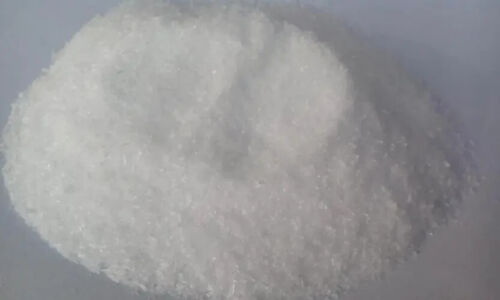
Procaine is a synthetic local anesthetic of the amino ester group that blocks nerve signals in the body by inhibiting sodium influx through voltage-gated sodium channels in nerve membranes. This action prevents the generation and propagation of nerve impulses, thus producing temporary numbness in the area where it is injected. It was first synthesized in 1905 and is known by trade names such as Novocain and Mericaine. Procaine has been historically used in dentistry and surgery to numb tissues, reduce pain during procedures, and minimize discomfort from injections like penicillin.
Procaine injection is most commonly used as a local anesthetic to numb small areas during minor surgeries, dental work, and other medical procedures. It is especially effective for procedures involving the skin, mucous membranes, and peripheral nerves. Unlike cocaine, which was previously widely used for anesthesia, procaine lacks addictive and euphoric properties, making it safer for clinical use. Its rapid onset and relatively short duration make it suitable for outpatient procedures and situations where brief anesthesia is needed.
Because procaine blocks nerve signals, it provides effective pain relief during procedures such as tooth extractions, root canals, wound suturing, and minor surgeries. This pain reduction can improve patient comfort significantly, making medical and dental care less stressful and more tolerable. Additionally, procaine often helps prevent the formation of pain memories from traumatic procedures, which can reduce future anxiety about medical treatments.
Procaine is often combined with penicillin (penicillin G procaine injection) to lessen the pain associated with intramuscular antibiotic injections. This combination helps deliver effective antibiotic treatment while minimizing injection site discomfort, which is particularly important for patients requiring repeated or high-dose antibiotic therapy. The mild local anesthetic effect of procaine reduces muscle stiffness and soreness often associated with penicillin injections, improving overall treatment tolerability.
Procaine (1% injection) has been recommended to treat complications such as extravasation, where intravenous fluids leak into surrounding tissue causing pain and inflammation, and inadvertent intra-arterial injections that can produce vascular spasms and tissue damage. By blocking nerve conduction and relaxing vascular smooth muscle, procaine injections can alleviate pain and restore blood flow, facilitating healing and preventing tissue necrosis.
Beyond its established role in anesthesia, procaine has been explored for a variety of other medical conditions, though evidence supporting these uses remains limited and inconclusive.
- Arthritis: Some studies have investigated procaine's potential to reduce joint pain and inflammation, presumably due to its local anesthetic and mild anti-inflammatory effects. However, clinical evidence does not strongly support it as a routine arthritis treatment.
- Cerebral Atherosclerosis and Dementia: Procaine has been studied for its vasodilatory and neuroprotective properties, particularly in age-related cognitive decline and vascular dementia. Despite early promise, robust clinical trials have not confirmed significant benefits.
- Depression and Mood Disorders: Anecdotal and experimental reports suggest procaine may have mood-enhancing effects, possibly linked to its interactions with serotonin and NMDA receptors. Nevertheless, it is not an approved antidepressant.
- Hair Loss and Sexual Dysfunction: Various alternative medicine practices have proposed procaine as a treatment for hair thinning and sexual performance issues, but these claims lack scientific validation.
- High Blood Pressure: The vasodilatory effect of procaine could theoretically lower blood pressure, but it is not commonly used for hypertension management in mainstream medicine.
Given the limited proof and regulatory approval, procaine should not be used for these alternative applications outside well-controlled clinical studies.
Procaine functions by reversibly binding to the inner portions of voltage-gated sodium channels on nerve cells. This action blocks the influx of sodium ions that is essential for the initiation and propagation of nerve impulses. By preventing nerve signaling, procaine causes a temporary loss of sensation, including pain, temperature, and touch, in the area surrounding the injection site.
Besides blocking sodium channels, procaine has been shown to interact with several receptor systems including N-Methyl-D-Aspartate (NMDA) receptors, nicotinic acetylcholine receptors, and serotonin receptor-ion channels. These interactions may contribute to its analgesic properties and potential mood-enhancing effects observed in some patients.
After administration, procaine is rapidly hydrolyzed by plasma and liver esterases into para-aminobenzoic acid (PABA), a metabolite excreted by the kidneys. The short half-life of about 7.7 minutes means the anesthetic effect typically begins quickly but also limits its duration, requiring careful timing and dosing during procedures.
Procaine offers several benefits that make it a preferred option in many clinical settings:
- Rapid Onset: The drug acts quickly to numb targeted tissues, allowing procedures to begin without delay.
- Safe Profile: Compared to older anesthetics like cocaine, procaine has minimal addictive properties and is generally well tolerated.
- Versatility: It is effective in various procedures including dental work, minor surgeries, and as an adjunct to reduce pain for intramuscular injections.
- Combination Therapies: Procaine can be safely combined with antibiotics like penicillin to enhance patient comfort during treatment.
- Cost-Effectiveness: Its relatively low cost contributes to its ongoing use, especially in resource-constrained healthcare settings.
Although generally safe, procaine injection administration requires caution:
- Proper Technique: Healthcare professionals must administer the injection correctly to avoid overdose, inadvertent intravascular injection, and tissue injury.
- Allergic Reactions: Some individuals may develop hypersensitivity or allergic responses ranging from mild skin irritation to severe anaphylaxis.
- Neurological Effects: Rarely, large doses or accidental intravascular administration may trigger symptoms such as anxiety, seizures, tremors, or hallucinations.
- Patient Health Conditions: Use with care in patients with liver or kidney impairment, blood clotting disorders, cardiovascular diseases, neuromuscular conditions, or during pregnancy and breastfeeding.
- Not for Viral Infections: Procaine has no intrinsic antiviral activity and should not be misused for viral illnesses.
Close monitoring during and after administration ensures prompt identification and management of any adverse reactions.
Procaine injection remains a valuable and widely used local anesthetic in dentistry and minor surgical procedures, providing rapid and effective pain relief. Its combination with penicillin supports antibiotic administration with reduced injection discomfort, enhancing patient compliance. While procaine has been investigated for broader therapeutic roles, the strongest evidence supports its use for local anesthesia and pain mitigation during medical interventions.
As a manufacturer specializing in biotechnology, pharmaceuticals, and medical devices, we at supplybenzocaine.co.uk are proud to offer high-quality OEM services for procaine injections and related products. Our advanced manufacturing capabilities and quality assurance systems ensure reliable supply for international brands, wholesalers, and healthcare producers. We invite you to reach out and explore how our products and expertise can support your business goals.
Contact us today to discuss your specific requirements and establish a partnership that promotes innovation and excellence in healthcare.
Procaine injection is primarily used as a local anesthetic for numbing specific areas during surgery, dental work, and other procedures to reduce pain and discomfort.
When administered by trained healthcare professionals, procaine is generally safe, though rare allergic reactions and side effects can occur. Always consult your doctor about risks.
Procaine has a shorter duration of action and is less potent than lidocaine. Lidocaine is often preferred today but procaine is still used where appropriate.
Procaine itself is not an antibiotic, but it is combined with penicillin (penicillin G procaine) to treat certain bacterial infections with reduced pain on injection.
Possible side effects include localized pain, allergic reactions, dizziness, and in rare cases, more serious neurological symptoms right after injection.