Content Menu
● What Is Procaine Hydrochloride?
● Medical and Therapeutic Uses
>> Pain Management and Other Therapeutic Uses
● Safety Profile and Side Effects
● Comparison with Other Local Anesthetics
● Overview of Procaine Hydrochloride Synthesis
>> 1. What is Procaine Hydrochloride used for?
>> 2. How does Procaine Hydrochloride work?
>> 3. Are there any side effects of using Procaine Hydrochloride?
>> 4. Is Procaine safe for everyone?
>> 5. How does Procaine differ from Lidocaine?
Procaine Hydrochloride, commonly known as Novocaine, is a synthetic local anesthetic extensively used in medical and dental fields to numb targeted areas of the body during various procedures. Belonging to the amino ester group of anesthetics, procaine was first developed in 1905 as a safer substitute for cocaine, which had been used for anesthesia but was highly addictive and toxic. Since its introduction, procaine has become integral in pain management, nerve blocks, minor surgeries, and even some therapeutic applications beyond anesthesia.
This article provides a comprehensive look at procaine hydrochloride, explaining its chemical nature, mechanism of action, uses, side effects, and synthesis, along with essential FAQs tailored for professionals and buyers in the pharmaceutical and medical industries.
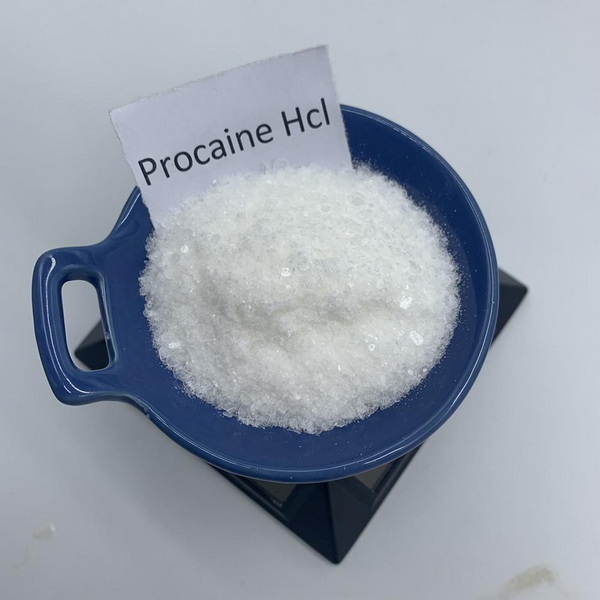
Procaine Hydrochloride is a crystalline powder with a chemical formula of C13H21ClN2O2. It is an ester-type local anesthetic that impedes nerve signal transmission by blocking sodium ion channels in nerve membranes. This effect causes localized numbness, allowing medical professionals to perform procedures without causing pain to patients. Because of its water solubility, procaine is usually administered via injection.
Alfred Einhorn, the chemist who synthesized procaine, named it combining "nov-" meaning new and "-caine," a suffix used for anesthetics. Its safer profile quickly popularized it in dentistry, where injections of procaine temporarily block sensation during cavity fillings, extractions, and root canal treatments.
The anesthetic effect of procaine hydrochloride arises from its ability to block voltage-gated sodium channels on nerve membranes. Normally, the flow of sodium ions across these channels initiates and propagates electrical impulses that transmit pain signals to the brain. By preventing sodium influx, procaine inhibits the generation of these nerve impulses, effectively causing a reversible loss of sensation in the targeted area.
Unlike many local anesthetics that are vasoconstrictors, procaine acts as a vasodilator, meaning it dilates blood vessels. This property allows blood to wash the anesthetic away from the injection site more quickly, thereby shortening its duration of action. As a result, it is often combined with vasoconstrictive agents like epinephrine to prolong anesthesia, minimize bleeding, and reduce systemic absorption.
Procaine hydrochloride revolutionized dental anesthesia by providing a safe and effective way to numb oral tissues during procedures such as fillings, root canals, extraction, and gum surgery. Its introduction significantly improved patient comfort and reduced procedural pain, allowing dental work to be more thorough and less distressing.
In broader medical practice, procaine is used for infiltration anesthesia where a local area needs to be numbed, as well as for peripheral nerve blocks during minor surgeries. These applications include procedures on skin, superficial tissues, and certain extremities, helping to minimize pain without the risks associated with general anesthesia.
Procaine injections have been explored for pain relief beyond surgical contexts, including chronic pain syndromes and neuralgias. Some practitioners use procaine in experimental therapies for conditions such as arthritis, cerebrovascular diseases, and dementia, although definitive scientific evidence remains limited for these indications.
Veterinary practices also utilize procaine hydrochloride for local anesthesia and analgesia in animals. Its ability to provide a temporary sensory block makes it valuable during minor veterinary surgeries and dental procedures.
After injection, procaine is rapidly hydrolyzed by plasma esterases into para-aminobenzoic acid (PABA) and diethylaminoethanol, which are then further metabolized or excreted. This rapid metabolism contributes to its relatively short duration of action compared with amide-type local anesthetics like lidocaine. The quick breakdown reduces toxicity but also requires repeated applications or addition of vasoconstrictors for prolonged anesthesia.
Procaine hydrochloride is generally considered safe when used by trained healthcare professionals. However, it can cause side effects ranging from mild to severe.
- Common Side Effects: These include localized numbness, tingling, mild burning, or irritation at the injection site.
- Allergic Reactions: Allergies, while rare, can be serious due to the PABA metabolite, causing rash, itching, swelling, or anaphylaxis in extreme cases.
- Central Nervous System Effects: High doses or accidental intravascular injection can lead to symptoms like restlessness, dizziness, tinnitus, tremors, convulsions, or coma.
- Cardiovascular Effects: In overdose, procaine can depress myocardial contractility, cause hypotension, bradycardia, or even cardiac arrest.
- Prolonged Anesthesia: Patients with pseudocholinesterase deficiency metabolize procaine more slowly, resulting in extended numbness and increased risk of toxicity.
Caution is advised for pregnant and breastfeeding women, as well as patients with systemic lupus erythematosus, as procaine may exacerbate some conditions.
Compared to amide anesthetics such as lidocaine or bupivacaine, procaine has a slower onset and shorter duration of action. It also carries a higher risk of allergic reactions due to PABA metabolites. However, its vasodilatory property can be beneficial in specific scenarios. Lidocaine has largely supplanted procaine in many clinical settings due to its faster action, longer effectiveness, and lower allergenic potential. Nevertheless, procaine remains important in teaching, certain medical protocols, and veterinary use.
Procaine is synthesized chemically starting from para-aminobenzoic acid derivatives. The key step involves the esterification of 4-aminobenzoic acid with diethylaminoethanol, producing procaine's ester linkage essential for its anesthetic properties. The synthesis pathway requires precise control of reaction conditions to ensure purity and potency. The resulting compound is then converted into hydrochloride form to improve its water solubility and stability for injectable formulations.
Due to the hazardous chemicals involved and the exothermic nature of some reactions, procaine synthesis is performed under strict industrial safety protocols. Quality control ensures that the final pharmaceutical grade procaine hydrochloride meets regulatory standards for purity, absence of contaminants, and efficacy.
Procaine hydrochloride should be stored in a cool, dry place protected from light and moisture to maintain stability. It is typically provided as a sterile, injectable powder or solution. Proper handling includes using aseptic techniques to avoid microbial contamination and ensuring the correct dosage to prevent adverse reactions.
For pharmaceutical companies, medical device manufacturers, and wholesalers seeking reliable sources of procaine hydrochloride, partnering with experienced OEM suppliers can streamline procurement and product development. High-quality raw materials backed by stringent testing promote safety and regulatory compliance in final products.
At SupplyBenzocaine.co.uk, we specialize in providing pharmaceutical-grade procaine hydrochloride with customizable packaging and formulation options tailored to client requirements. Our robust manufacturing processes and responsive customer support enable the delivery of cost-effective and dependable solutions for global markets.
Procaine Hydrochloride stands as a historic and fundamental local anesthetic that paved the way for modern pain management techniques in dentistry and minor surgical interventions. Despite the advent of newer anesthetics like lidocaine, its unique profile and safety make it a relevant choice in selected clinical and veterinary settings. Understanding its chemistry, applications, and safety considerations helps healthcare and pharmaceutical professionals leverage procaine effectively.
For overseas brand owners, wholesalers, and producers in the biotechnology, pharmaceutical, and medical device fields, sourcing procaine hydrochloride from a trusted OEM supplier ensures consistent quality and adherence to regulatory standards. At SupplyBenzocaine.co.uk, we offer tailored OEM services equipped to meet your production and development needs with professionalism and reliability. Contact us today to elevate your product portfolio with premium procaine hydrochloride and related pharmaceutical ingredients.
Procaine Hydrochloride is primarily used as a local anesthetic during dental procedures, minor surgeries, and for pain management by blocking nerve signal transmission in targeted body regions.
It works by blocking sodium channels on nerve cells, stopping the initiation and propagation of nerve impulses, which causes a temporary loss of sensation in the area injected.
Yes, side effects can include numbness, mild irritation at the injection site, allergic reactions ranging from rash to severe anaphylaxis, dizziness, seizures in overdose cases, and cardiovascular effects.
While generally safe under medical supervision, it should be used cautiously or avoided in people with enzyme deficiencies like pseudocholinesterase deficiency, allergies to ester anesthetics, pregnant or breastfeeding women, and some autoimmune conditions.
Procaine has a slower onset and shorter duration and is more likely to cause allergic reactions compared to lidocaine. Lidocaine is preferred for longer procedures due to its rapid and sustained anesthetic effect.