Content Menu
● Historical and Practical Context
● Manufacturing and OEM Considerations
● Practical Considerations for OEM Partnerships
● Safety, Handling, and Storage
● FAQs
>> 1: What is procaine used for?
>> 2: How does procaine compare to lidocaine?
>> 3: Are there risks or side effects?
>> 4: Can procaine be used in OEM pharmaceutical manufacturing?
>> 5: What should manufacturers consider for regulatory compliance?
Procaine, better known by the brand name Novocaine, is a local anesthetic historically central to dentistry and minor surgical procedures. While newer agents have become more prevalent, procaine remains relevant in particular clinical contexts due to its distinctive pharmacokinetic profile, cost advantages, and compatibility with various formulation strategies. This article offers a thorough overview of procaine's pharmacology, clinical applications, and the implications for manufacturers providing OEM services to international biotech, pharmaceutical, and medical-device brands. It also outlines practical considerations for quality assurance, regulatory compliance, and market-entry strategies when integrating procaine products into an OEM portfolio. Throughout, the piece presents visuals concepts to help readers grasp mechanism of action, administration techniques, safety management, packaging configurations, and regulatory documentation.
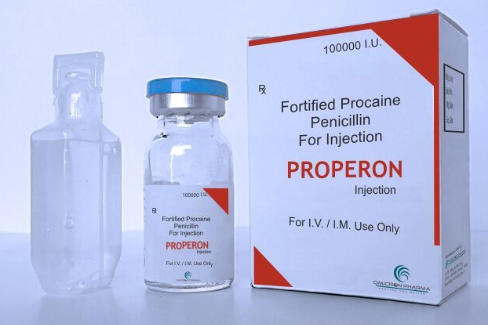
- Procaine is an ester-type local anesthetic that temporarily blocks nerve conduction to produce localized numbness. It is typically delivered by infiltration anesthesia or peripheral nerve blocks and has a relatively rapid onset with moderate duration, often shorter than many amide-type agents. This profile helped establish procaine as a staple in dental procedures and minor surgeries, particularly in settings where cost or supply considerations favored an older, well-characterized option. The pharmacodynamic properties underlie its utility for quick, targeted analgesia in routine clinical workflows.[10][11]
- Mechanism of action: Procaine exerts its anesthetic effect by inhibiting voltage-gated sodium channels on neuronal membranes, thereby preventing the initiation and propagation of action potentials in nerves within the affected region. The chemical structure of procaine includes an ester linkage that facilitates hydrolysis by plasma cholinesterases, yielding relatively rapid clearance from the body compared with some longer-acting agents. This metabolism contributes to its shorter duration of action and influences considerations around repeat dosing and systemic exposure.[3][4]
- Regulatory and safety notes: Dosing must account for individual patient factors such as age, body weight, organ function, and potential drug interactions. In clinical practice, resuscitation equipment and trained personnel are standard in settings where local anesthetics are administered. For manufacturers, GMP (and GMP-like) production, pharmacovigilance, and robust supplier qualification are essential to maintain quality and worldwide supply integrity. [3]
- Historical role: Procaine ranks among the earliest synthetic local anesthetics, marking a turning point in the safe practice of anesthesia for dental and minor surgical procedures. Its development enabled reliable local analgesia without the systemic risks associated with earlier agents, helping shape regulatory and manufacturing standards that persist in modern pharmacology. The drug's journey illustrates the evolution of local anesthesia from pioneering compounds to a broader pharmacopoeia. [1]
- Modern relevance: In contemporary practice, procaine is less common in many markets, having been largely supplanted by aminoamide anesthetics such as lidocaine and bupivacaine. Nevertheless, procaine remains relevant in certain regions or under specific logistical considerations, including cost-sensitive applications, supply chain considerations, and compatibility with particular formulations or dosage forms. Decision-making around its use or inclusion in an OEM catalog involves balancing onset, duration, safety profile, and regional regulatory expectations. [4][3]
- Dental procedures: In dentistry, procaine has historically been used to numb teeth and surrounding tissues to facilitate fillings, extractions, and other routine interventions. Its rapid onset can be advantageous for short-duration procedures, but clinicians must anticipate a potentially shorter analgesic duration and plan accordingly for longer or multi-step procedures. Adverse reactions and local tissue effects are monitored with standard clinical vigilance. [10]
- Minor surgical procedures: Procaine can be employed for minor skin or soft-tissue surgeries where the anticipated duration of anesthesia aligns with the procedure length. Proper dosing, sterile technique, and patient monitoring are essential to minimize systemic toxicity and ensure patient comfort. [3]
- Other potential applications: Beyond dentistry and minor surgery, procaine has historical and niche uses in regional anesthesia settings. In many modern practice environments, alternatives with longer duration or improved safety profiles are preferred, but procaine may still find roles in specific OEM configurations or in regions with established supply chains. [4]
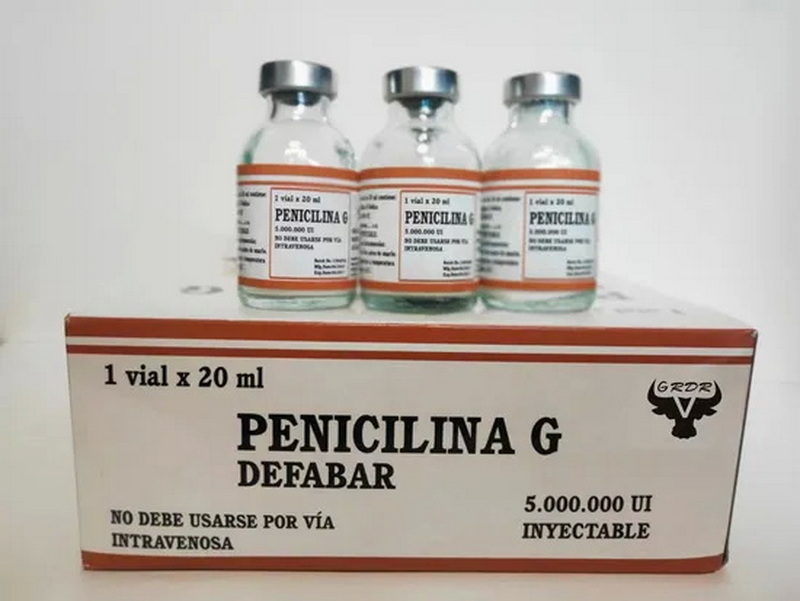
- Comparison with lidocaine: Lidocaine is widely favored for its longer duration, broader safety margin, and versatility across a range of procedures. The choice between procaine and lidocaine hinges on procedure length, patient tolerance, availability, and regulatory considerations within each market. Clinicians and procurement teams often weigh these factors when designing an anesthesia plan or selecting an OEM supplier. [4]
- Safety and adverse effects: Local anesthetics carry risks of systemic toxicity if absorbed in excess, including central nervous system and cardiovascular effects. Allergic or hypersensitivity reactions, although uncommon with modern agents, require preparedness and appropriate monitoring. Adherence to recommended dosing, aspiration techniques, and emergency readiness are fundamental to safe practice.
- Regulatory considerations for OEMs: For OEM programs, supplying procaine as an active pharmaceutical ingredient or finished product entails rigorous quality management, traceability, and compliance with international regulatory standards. Documentation such as COAs, MSDS, stability data, and supplier qualification records underpins reliable cross-border manufacturing and distribution.
- Supply chain and quality assurance: In OEM partnerships, supplier qualification, impurity control, and comprehensive QA processes are essential to meet partner expectations and ensure consistent product performance. Clear communication channels with contract manufacturers and distributors help minimize disruptions and maintain product integrity across markets. [3]
- Regulatory alignment: Global GMP compliance, pharmacovigilance readiness, and appropriate record-keeping are integral to achieving timely market access in international brands. Preparedness includes validated analytical methods, stability profiles, and robust quality agreements with customers.
- Packaging and labeling: Accurate labeling, dosage instructions, cautions, and handling guidance are critical components of procaine products. Packaging must preserve potency and facilitate safe dispensing in clinical settings, with labeling localized to target markets as needed.
- Qualification and auditing: Thorough GMP assessments, QA capability reviews, and ongoing supplier audits help sustain trust with overseas partners. Documentation of manufacturing capabilities, quality systems, and corrective action processes should be readily accessible for clients requesting compliance evidence.
- Documentation and transparency: Providing comprehensive technical files, validated QC methods, stability data, and residue analyses supports smooth regulatory review and reduces supply-chain risk. Transparent communication strengthens long-term collaborations.
- Market readiness and localization: For international customers, tailoring product configurations, labeling languages, and regulatory dossiers to local markets accelerates time-to-market and enhances adoption. Localization strategies should be embedded in the product development lifecycle and supplier agreements.
- Storage conditions: Procaine and its formulations require storage under appropriate conditions to preserve potency and safety. Temperature control, stock rotation, and secure storage are standard practices to prevent degradation and ensure quality on arrival at clinics or manufacturing sites.
- Handling guidelines: Proper training in administration, sterile technique for injections, and adherence to aseptic procedures minimize contamination risk and adverse events. Staff should be prepared to manage potential complications and follow established safety protocols.
- Emergency preparedness: Clinics and manufacturing partners should have established protocols and resuscitation equipment to address systemic toxicity or allergic reactions promptly. Regular drills and updated emergency plans are recommended.
Procaine remains a relevant local anesthetic option within the broader anesthesia landscape, especially for rapid-onset, short-duration needs and cost-sensitive markets. For OEM collaborations serving international brands, success hinges on uncompromising quality, transparent QA, and rigorous regulatory alignment. If exploring a procaine-focused portfolio, a tailored OEM solution that aligns with regulatory targets, quality systems, and market strategies can enhance global reach and patient safety.
Interested in OEM partnerships for procaine APIs or finished products? Reach out to initiate a collaboration. A dedicated team can evaluate regulatory targets, QA standards, localization needs, and supply-chain requirements to deliver a compliant, ready-to-market solution. Contact us to know more!
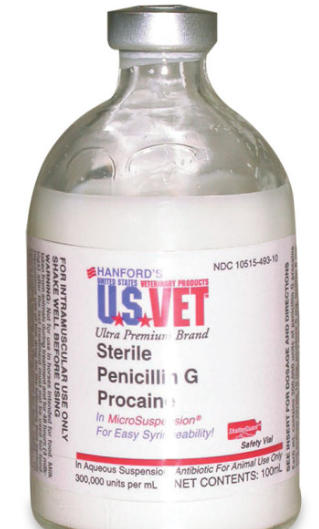
Answer: Procaine is a local anesthetic used to numb a targeted area for short procedures, especially in dentistry and minor surgery, by blocking nerve conduction in the treatment region. Typical use scenarios include tooth extractions, fillings, and superficial skin interventions.
Answer: Procaine generally has a faster onset but shorter duration than lidocaine, and its safety and efficacy profiles differ depending on patient factors and procedure type. In many modern settings, lidocaine is preferred for longer or more complex procedures, while procaine may be chosen for cost or formulation considerations. [4]
Answer: Potential adverse effects include local tissue irritation, systemic toxicity at high doses, and hypersensitivity reactions. Proper dosing, injection technique, and monitoring reduce risk, and emergency readiness is essential in all clinical environments.
Answer: Yes. Procaine can be supplied as an API or finished product for OEM collaborations in biotech, pharmaceutical, and medical-device contexts, provided strict GMP compliance, QA processes, batch traceability, and regulatory documentation are in place.
Answer: Manufacturers should maintain GMP-compliant facilities, validated analytical methods, stability data, quality agreements with customers, and comprehensive regulatory dossiers to support international market access and ongoing post-market surveillance.
[1](https://en.wikipedia.org/wiki/Procaine)
[2](https://meritchemicals.com/en/product/procaine-novocaine/)
[3](https://www.ncbi.nlm.nih.gov/books/NBK551556/)
[4](https://go.drugbank.com/drugs/DB00721)
[5](https://www.sciencedirect.com/topics/pharmacology-toxicology-and-pharmaceutical-science/procaine)
[6](https://jamanetwork.com/journals/jama/fullarticle/1160031)
[7](https://www.ebsco.com/research-starters/history/introduction-first-injectable-anesthetic)
[8](https://www.smileedenprairie.com/general-dentistry-concepts-novocain/)
[9](https://synapse.patsnap.com/article/what-is-procaine-hydrochloride-used-for)
[10](https://countrywidetesting.com/blogs/news/what-is-novocaine)
[11](https://www.supplybenzocaine.co.uk)
Hot tags: Procaine Uses, Novocaine Side Effects, Local Anesthetic, Procaine Mechanism, Novocaine Duration, Procaine Injection, Novocaine Alternatives, Procaine History, Novocaine Dental Procedures, Procaine Benefits