Content Menu
● Chemical and pharmacological overview
● Historical and regulatory context
● Medical uses, indications, and administration context
● Manufacturing considerations for OEM partners
● Safety, risks, and pharmacovigilance
● Industry trends and OEM opportunities
● FAQ
>> 1) What is Procaine Penicillin G used for historically?
>> 2) How does manufacturing Procaine Penicillin G differ from other penicillins in an OEM context?
>> 3) What regulatory steps are important for OEM injectable antibiotics?
>> 4) What quality systems are essential for sterile injectable manufacturing?
>> 5) How can foreign brands collaborate with a Chinese OEM partner for Procaine Penicillin G products?
Procaine Penicillin G (PPG) stands as a historically significant injectable antibiotic, combining penicillin G with procaine to extend the release of the active drug after intramuscular administration. For contract manufacturers and OEM partners in biotech, pharmaceutical, and medical device ecosystems, PPG illustrates how proven antimicrobial agents can be delivered through carefully engineered formulations under stringent quality control, enabling supply to global markets. This article examines the chemical basis, therapeutic context, and crucial manufacturing considerations for OEM collaborations, with a focus on enabling foreign brands, wholesalers, and producers to access reliable, compliant, high-standard injectable products.
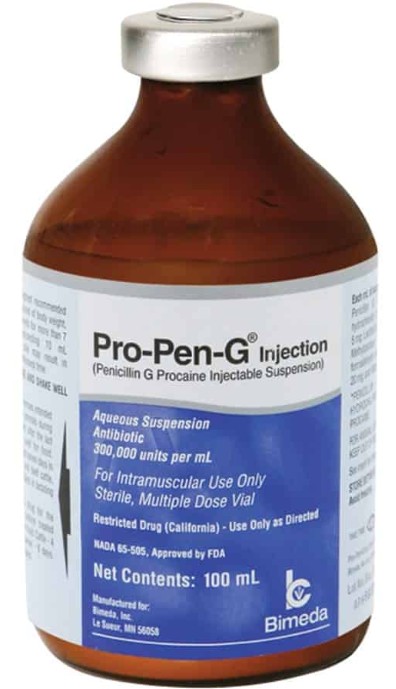
PPG is a needle-injected suspension where penicillin G is paired with procaine, a local anesthetic that also modulates drug release. The penicillin component acts by inhibiting bacterial cell wall synthesis, producing bactericidal effects against susceptible organisms, while procaine serves primarily to slow and localize the release profile, extending therapeutic levels in the serum. In a manufacturing setting, ensuring uniform particle size, proper suspension stability, and consistent release kinetics across batches is essential to meet international regulatory expectations and to maintain predictable clinical performance. The formulation design also influences storage stability, viscosity, and compatibility with other additives or antibiotics that may be co-formulated for combination therapies. A reliable OEM partner will emphasize rigorous process controls, validated analytical methods, and tight lot-to-lot consistency to support global distribution.
PPG has played a long-standing role in outpatient and certain hospital settings where extended penicillin exposure is advantageous. Modern clinical practice prioritizes updated guidelines, resistance considerations, and region-specific recommendations, but the manufacturing framework remains anchored in GMP-compliant sterile processing, validated fill-finish operations, and comprehensive documentation. For OEM manufacturers, this means aligning manufacturing workflows with international pharmacopoeias, ensuring traceability from raw materials through finished products, and maintaining robust change-control systems to accommodate evolving regulatory requirements across target markets.
Historically, Penicillin G procaine has been used for infections where prolonged penicillin exposure is beneficial, such as certain streptococcal conditions and selected soft tissue infections. In modern practice, therapeutic decisions should rely on current clinical guidelines, local resistance patterns, and patient-specific factors. From an OEM perspective, the emphasis is on producing a safe, compliant, and well-documented injectable product: sterile-filled into appropriate vials, with validated shelf-life, stable storage conditions, clear labeling, and secure cold-chain logistics to preserve potency. A trustworthy manufacturing partner will also provide robust documentation packages, including batch records, stability data, shelf-life validation, and regulatory notices suitable for export to diverse regions.
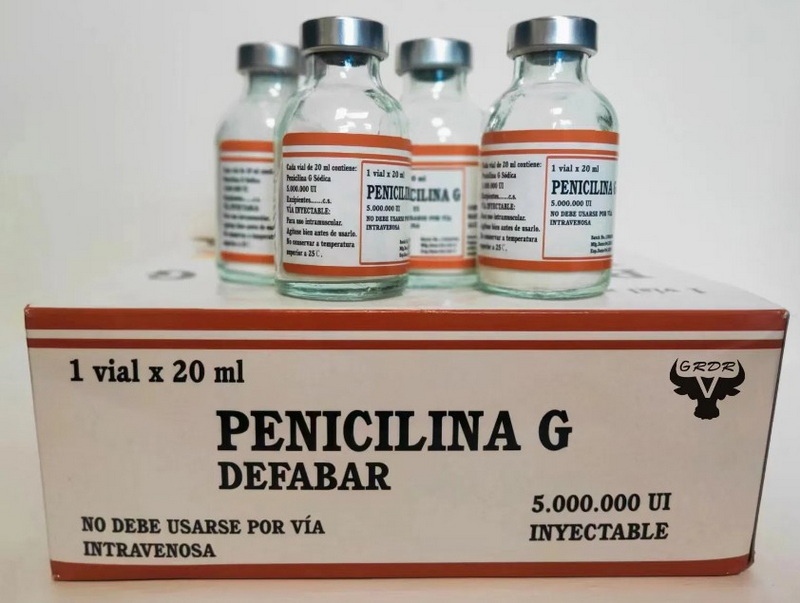
- Regulatory alignment and compliance: Build operations around GMP principles, harmonize with regional pharmacopoeial standards, and maintain clear regulatory pathways for each market. Prepare comprehensive documentation, including batch records, CoAs, stability reports, and change-control logs.
- Sterile fill-finish operations: Use validated aseptic processing with controlled environments, automated filling, stopper integrity testing, and leak testing to ensure product sterility and safety.
- Quality assurance and control: Implement identity, potency, sterility, endotoxin, and pyrogen tests; maintain CAPA systems, CAPA investigations, and trend analyses to prevent deviations and ensure consistent product quality.
- Packaging and labeling: Offer packaging configurations compatible with international distribution, including appropriate container types, closures, multilingual labeling, batch codes, expiry dates, and storage instructions that reflect global regulatory expectations.
- Cold chain and distribution: Validate temperature-controlled logistics, monitor transport conditions, and ensure end-to-end integrity from manufacturing site to distributor to the end user.
- Supply chain governance and traceability: Establish supplier qualification programs, material specs, and full lot traceability to satisfy pharmacovigilance and regulatory audits.
- Intellectual property and collaboration models: Design agreements that protect proprietary processes while enabling market access for foreign brands, including OEM/ODM arrangements, technology transfer, and permissible sublicensing where appropriate.
As with other injectable antibiotics, potential risks include hypersensitivity reactions, local injection-site irritation, and rare anaphylaxis. For OEM manufacturers, establishing safety data sheets, pharmacovigilance plans, and post-market surveillance processes is essential to maintain patient safety and regulatory compliance. Clear risk-management practices help ensure that end users receive accurate safety information, clinicians have access to current guidance, and distributors can act swiftly if safety signals arise.
The injectable antibiotic market increasingly prioritizes quality assurance, regulatory alignment, and resilient supply chains. A capable OEM partner with GMP-grade facilities, robust QA/QC, scalable production capabilities, and flexible packaging options can help foreign brands meet diverse regional demands while maintaining strict traceability and compliance with international standards. The value proposition for manufacturers in China includes cost efficiency, scalable manufacturing capacity, and access to experienced regulatory support for global markets.
A strategic OEM partnership for Procaine Penicillin G hinges on uncompromising quality management, regulatory readiness, and dependable supply chains. A Chinese manufacturing base with a track record in biotech and pharmaceutical production offers an advantageous blend of reliability, efficiency, and rigorous QA processes. This combination supports foreign brands and wholesalers seeking high-quality injectable products for international distribution. For inquiries about OEM collaboration, reach out with your technical brief and regulatory targets to receive a tailored manufacturing plan and proposed timeline. Contact us to know more!
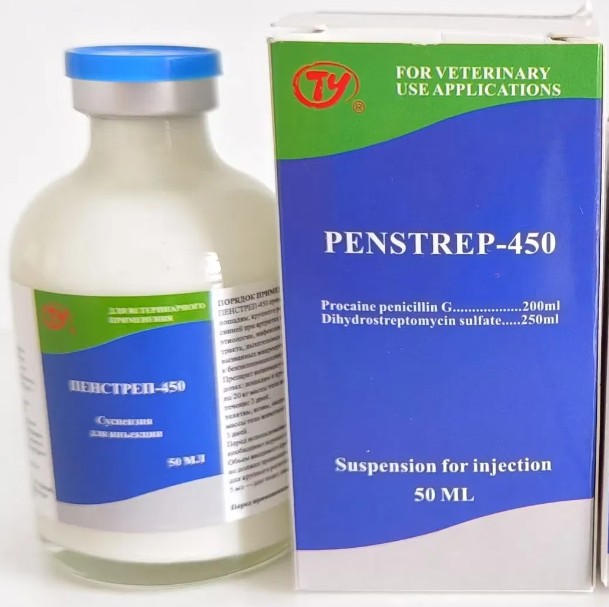
- Procaine Penicillin G is an injectable antibiotic historically used for moderately severe infections caused by penicillin-susceptible bacteria, where an extended-release penicillin effect was desirable. Common historical indications included certain streptococcal infections, soft tissue infections, and some respiratory infections; it's less favored today in many guidelines due to resistance patterns and availability of alternative regimens.[9][10]
- The OEM manufacturing of Procaine Penicillin G involves sterile fill-finish with a penicillin G procaine suspension, ensuring uniform release kinetics, robust batch-to-batch consistency, and strict cold-chain integrity. It requires validated aseptic processes, comprehensive stability testing, precise excipient compatibility with procaine, and meticulous labeling for multiple markets, reflecting both pharmacological release characteristics and regional regulatory expectations.[4][5][11]
- Key steps include GMP-compliant production, validated sterility and endotoxin controls, batch release testing, stability studies, complete batch records, and serialization/traceability. Regulatory considerations also cover correct labeling, multilingual packaging, proper storage instructions, and thorough pharmacovigilance plans aligned with target markets' requirements.[6][12][13]
- Essential quality systems encompass a robust GMP framework, validated aseptic filling, cleanroom qualification, environmental monitoring, CAPA programs, OOS investigations, supplier qualification, and rigorous QA/QC for identity, potency, sterility, and pyrogen testing. Documentation and change-control processes are critical for regulatory audits and global distribution.[2][14]
- Collaboration typically involves OEM/ODM agreements with clear technology transfer terms, protected IP, defined QA/QC expectations, shared regulatory strategies, and a joint plan for regulatory submissions in target markets. The OEM partner provides manufacturing, sterile-fill capabilities, packaging, labeling, and distribution support, with ongoing pharmacovigilance and post-market monitoring aligned to international standards.[15][16]
[1](https://patents.google.com/patent/WO2006016347A1/en)
[2](https://patents.google.com/patent/US20060058280A1/en)
[3](https://www.sciencedirect.com/science/article/abs/pii/S1010603004001406)
[4](https://www.miga.org/sites/default/files/archive/Documents/PharmaceuticalManufacturing.pdf)
[5](https://en.wikipedia.org/wiki/Penicillin)
[6](https://patents.google.com/patent/DE925375C/en)
[7](https://www.pharmacompass.com/active-pharmaceutical-ingredients/penicillin-g-procaine)
[8](https://www.farad.org/pdf/112013ProcainePenGWDI.pdf)
[9](https://omicronpharma.in/PT00754.html)
Hot tags: Procaine Penicillin G, Penicillin G Uses, Antibiotic Injections, Procaine Penicillin Side Effects, Penicillin G Dosage, Bacterial Infections Treatment, Procaine Penicillin Mechanism, Penicillin G Procaine Injection, Antibiotic Resistance, Procaine Penicillin Benefits