Content Menu
● How Does Procaine Penicillin Work?
>> The key action lies in its dual components:
● Indications and Applications
● Side Effects and Precautions
>> Severe Adverse Effects (Rare)
>> Caution:
● Resistance and Responsible Use
● Clinical Case Studies and Best Practices
● Storage, Handling, and Product Information
● Frequently Asked Questions (FAQ)
>> 1. What types of infections does procaine penicillin injection treat?
>> 2. How is this medicine administered?
>> 3. What safety precautions are important?
>> 4. Can procaine penicillin injection be used in animals?
>> 5. What should patients or users watch for after injection?
Procaine penicillin injection is the combination of benzylpenicillin (penicillin G) and the local anesthetic procaine, designed to deliver extended antibacterial action with minimal discomfort at the injection site. It is used in both human and veterinary medicine for a variety of infection types.[1][3][6]
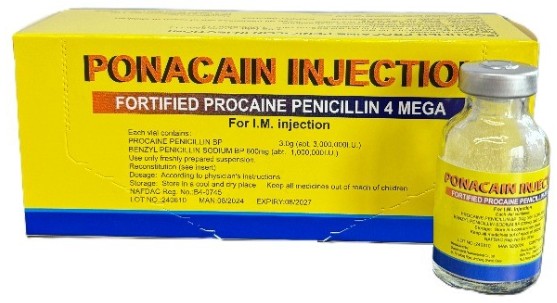
- Penicillin G disrupts bacterial cell wall synthesis, causing rapid bacterial death among organisms sensitive to this class of antibiotics.
- Procaine functions as an anesthetic, controlling local pain, making high-volume or frequent injections more bearable for patients.[5]
This sustained-release effect means effective levels of antibiotics remain in the body for longer periods, supporting less frequent dosing and improved patient compliance.
Procaine penicillin injection is indicated for the treatment of moderate to severe bacterial infections, especially when oral medications are not suitable:
- Syphilis: Particularly useful for primary, secondary, and latent syphilis, where long-term antibiotics are required.[6][1]
- Anthrax: Endorsed for all forms, including inhaled, cutaneous, gastrointestinal, and injection-related anthrax.[7]
- Skin and Soft Tissue Infections: Includes cellulitis, erysipelas, impetigo, and wound infections caused by susceptible bacteria.
- Respiratory Tract Infections: Such as streptococcal pneumonia, scarlet fever, pharyngitis, and tonsillitis.[3][6]
- Other Infections: Rat-bite fever, Vincent's angina, and bacterial endocarditis in suitable cases.[2][4]
Procaine penicillin is not appropriate for treating gonorrhea or viral infections like the flu or the common cold.[1][7]
Procaine penicillin injection should always be administered by qualified healthcare professionals. Important points include:
- Deep intramuscular injection in the upper outer quadrant of the buttock (dorsogluteal) or the ventrogluteal site is recommended. The anterolateral thigh is discouraged for repeated injections due to the risk of muscle damage.[2]
- Dosage varies according to the infection's type and severity. For adults, common dosing ranges from 600,000 units to 1,200,000 units daily for 4–8 days.[6]
- Pediatric dosing is weight-based, typically 25,000–50,000 units per kilogram per day.[6]
- Maximum allowed per injection site is 10 mL; large doses are split across multiple sites if necessary.[4]
- Parenteral drug products should be visually inspected before use for discoloration or particulates.[2]
All injections must be performed under medical supervision to reduce risk and monitor for adverse effects.
- Discomfort, mild pain, or swelling at the injection site
- Rash or mild allergic reactions
- Headache, dizziness, and mild gastrointestinal upset
- Allergic Reactions: Anaphylaxis, a life-threatening situation marked by swelling, difficulty breathing, and severe rash. Immediate emergency response is required.
- Neurovascular Damage: Injecting near major nerves or blood vessels can cause permanent neurological damage.[2]
- Procaine Toxicity: Rare and generally observed with overdosing or accidental intravenous injection; symptoms include anxiety, confusion, agitation, seizures, and cardiovascular issues.[5][1]
- Superinfection: Use of antibiotics may lead to overgrowth of resistant organisms or fungi.
The injection should not be given to patients with known hypersensitivity to penicillins or procaine, significant allergy histories, or asthma. Sensitivity testing is recommended prior to administration for those at risk.[2]
In veterinary medicine, penicillin G procaine is widely used particularly in the treatment of food animals (dairy and beef cattle, pigs, sheep) for respiratory infections, mastitis, and other bacterial illnesses.[4]
- Label dose for cattle: 1ml per 100 pounds, once daily, not exceeding 10ml per site and up to 4–7 consecutive days.[4]
- Milk withdrawal: Typically 48 hours; meat withdrawal: Often 4–14 days, depending on product and dosing schedule.
Veterinary application practices vary, but all should conform to local laws and guidelines for residue management and animal welfare.
Misuse of procaine penicillin, such as unnecessary use or incomplete courses, can foster drug resistance—a major global health threat. Always ensure antibiotics are prescribed against proven or strongly suspected bacterial infections.[7][1]
Patients must complete their full course even if symptoms improve rapidly. Premature discontinuation can result in relapse and resistance.
- Syphilis Treatment: In resource-limited clinics, procaine penicillin injection remains a standard for syphilis therapy, delivering sustained levels of antibiotics required to clear Treponema pallidum.
- Anthrax Response: In confirmed or suspected exposure cases, penicillin G procaine may be administered as part of frontline defense, providing coverage for Bacillus anthracis and preventing progression to severe disease.[7]
- Soft Tissue and Skin Infections: Chronic cellulitis and chronic wounds in elderly or immunocompromised patients benefit from the slower absorption and reduced dosing frequency.
- Store refrigerated (2°–8°C); do not freeze.
- Supplied in prefilled syringes with sterile needles, usually as 600,000 units/1mL or 1,200,000 units/2mL suspension.[2]
- Inspect before use; discard if discoloration or particulates are present.
OEM bulk packaging and custom label services are available for international customers needing tailored supply solutions.
As resistance to antibiotics grows, research into novel combinations, improved formulations, and regional guidelines expands the role of injectable penicillins. Modern health systems continue to rely on procaine penicillin for legacy cases and as an alternative where newer antibiotics are unavailable or inappropriate.
Emerging markets and remote clinics especially value its long shelf life, easy dosing schedules, and broad spectrum, reinforcing its importance in global health.
Procaine penicillin injection remains a trusted choice for healthcare providers worldwide, providing robust antibacterial action, patient comfort, and broad clinical applicability. Its correct use in treating serious bacterial infections—backed by careful dosing, monitoring, and responsible prescribing—is critical for both human and animal health. For OEM customers, supplybenzocaine.co.uk offers reliable R&D, manufacturing, and custom packaging tailored for international brands, wholesalers, and medical facilities. Contact our team today to explore pharmaceutical contract manufacturing opportunities and secure high-quality procaine penicillin products for your portfolio.[3][1][6][7][2]
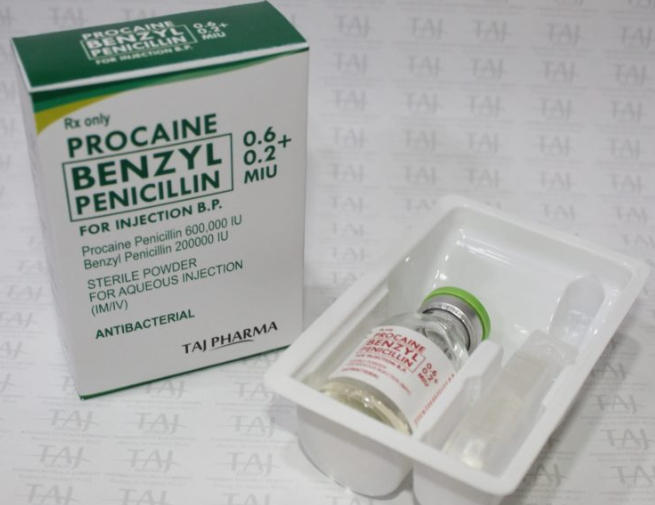
Procaine penicillin injection treats syphilis, anthrax, skin and soft tissue infections, respiratory tract infections, and some animal health indications.[1][3][4][6][7]
The injection is given into a deep muscle (typically buttock or thigh) by qualified medical personnel. Dosage and frequency vary by infection, age, and body weight.[6][2]
Avoid in patients with allergies to penicillin or procaine. Testing for sensitivity is advised before use for at-risk individuals. Injection must avoid nerves and blood vessels; only trained professionals should administer.[1][2]
Yes, it is widely used in veterinary medicine for cattle, pigs, and other livestock, with specific dosing and withdrawal intervals required by law.[4]
Mild pain is common, but severe allergic reactions (difficulty breathing, swelling, rash) require immediate medical attention. Complete the prescribed course to avoid resistance.[7][1][6]
[1](https://medlineplus.gov/druginfo/meds/a615052.html)
[2](https://labeling.pfizer.com/showlabeling.aspx?id=718)
[3](https://www.mayoclinic.org/drugs-supplements/penicillin-g-benzathine-and-penicillin-g-procaine-intramuscular-route/description/drg-20452194)
[4](https://www.mda.state.mn.us/sites/default/files/inline-files/Injectable-Penicillin-G-Procaine-2.21.pdf)
[5](https://www.ncbi.nlm.nih.gov/books/NBK551556/)
[6](https://reference.medscape.com/drug/penicillin-g-procaine-999572)
[7](https://www.fda.gov/drugs/bioterrorism-and-drug-preparedness/questions-and-answers-consumers-penicillin-g-procaine)
Hot tags: Procaine Penicillin Injection Uses, Antibiotic Treatment Procaine, Penicillin G Procaine Benefits, Procaine Injection Side Effects, Bacterial Infections Treatment, Procaine Penicillin Dosage, Procaine Penicillin Administration, Procaine Penicillin Injection Indications, Procaine Penicillin Injection Guidelines, Procaine Penicillin Injection Precautions