Content Menu
● What to Dilute Lidocaine HCL With?
>> 1. Normal Saline (0.9% Sodium Chloride)
>> 2. Sterile Water for Injection
● Best Practices for Diluting Lidocaine HCL
>> Monitoring
● FAQ
>> 1. What is the best solvent to dilute lidocaine HCL?
>> 2. How much lidocaine HCL can be safely administered?
>> 3. Can I use dextrose solutions for dilution?
>> 4. Why should I buffer lidocaine with bicarbonate?
>> 5. How should I monitor patients receiving lidocaine HCL?
Lidocaine hydrochloride (HCL) is a widely used local anesthetic in various medical procedures. It is essential to understand how to properly dilute lidocaine HCL to ensure its effectiveness and safety. This article will explore the best practices for diluting lidocaine HCL, the appropriate solvents to use, and the implications of dilution in clinical settings.
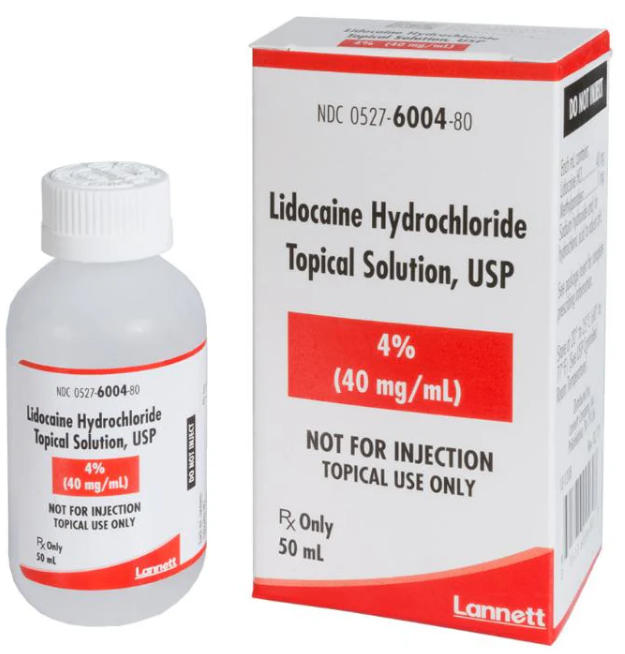
Lidocaine is an amide-type local anesthetic that works by blocking sodium channels, thereby inhibiting nerve impulse transmission. It is commonly used for various applications, including dental procedures, minor surgeries, and pain management. The concentration of lidocaine HCL can vary, and it is often necessary to dilute it for specific medical applications.
Dilution of lidocaine HCL is crucial for several reasons:
1. Safety: High concentrations of lidocaine can lead to systemic toxicity, causing adverse effects such as seizures, cardiac arrest, or respiratory depression.
2. Effectiveness: Diluting lidocaine can enhance its absorption and effectiveness, particularly in specific procedures.
3. Customization: Different medical situations may require varying concentrations of lidocaine, necessitating dilution.
Normal saline is one of the most common diluents for lidocaine HCL. It is isotonic and helps maintain the osmotic balance in the body.
- Usage: Dilute lidocaine HCL with 5 to 10 mL of normal saline for adult patients. For pediatric patients, 1 to 5 mL is recommended.
- Benefits: Normal saline is readily available and safe for use in most patients.
Sterile water can also be used to dilute lidocaine HCL, especially when a more concentrated solution is required.
- Usage: It is often recommended to dilute lidocaine with sterile water to achieve better drug absorption.
- Benefits: Sterile water is free from contaminants and can be used in various medical settings.
Dextrose solutions, such as 5% dextrose in water (D5W), can be used for dilution, particularly in intravenous applications.
- Usage: Mix lidocaine HCL with D5W to create a solution suitable for intravenous infusion.
- Benefits: Dextrose solutions provide additional calories and can be beneficial in patients requiring energy supplementation.
Buffering lidocaine with sodium bicarbonate can reduce the acidity of the solution, making it less painful upon injection.
- Usage: Mix a small volume of sodium bicarbonate with lidocaine HCL before administration.
- Benefits: This method can minimize injection pain and improve patient comfort.
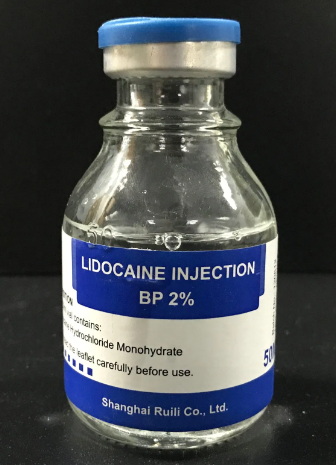
When diluting lidocaine HCL, it is crucial to use aseptic techniques to prevent contamination. This includes:
- Using sterile equipment and solutions.
- Performing hand hygiene before handling medications.
- Working in a clean environment.
The dosage of lidocaine HCL should be carefully calculated based on the patient's weight and the specific procedure. The maximum recommended dose is typically 4 mg/kg without epinephrine and 7 mg/kg with epinephrine.
Patients receiving lidocaine HCL should be monitored for signs of toxicity, especially during intravenous administration. This includes:
- Continuous cardiac monitoring.
- Monitoring blood pressure and oxygen saturation.
Diluting lidocaine HCL is a critical step in ensuring its safe and effective use in medical procedures. By understanding the appropriate solvents and best practices for dilution, healthcare providers can enhance patient safety and comfort. If you are looking for high-quality lidocaine HCL for your medical practice or need OEM services, please contact us for more information.
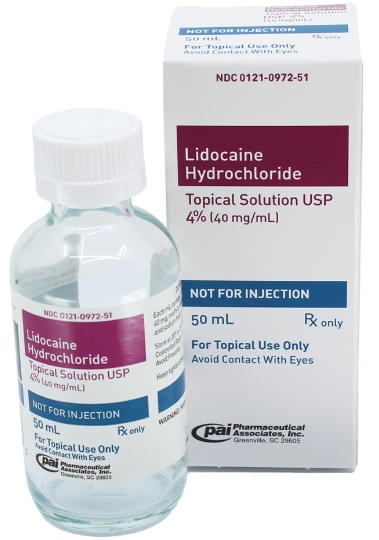
The best solvents for diluting lidocaine HCL are normal saline (0.9% sodium chloride) and sterile water for injection.
The maximum recommended dose is 4 mg/kg without epinephrine and 7 mg/kg with epinephrine.
Yes, dextrose solutions like 5% dextrose in water can be used for dilution, especially for intravenous applications.
Buffering lidocaine with sodium bicarbonate can reduce the acidity of the solution, minimizing injection pain.
Patients should be monitored for signs of toxicity, including continuous cardiac monitoring and checking blood pressure and oxygen saturation.
Hot tags: Lidocaine Dilution Methods, Diluting Lidocaine HCL, Best Solvents for Lidocaine, Lidocaine HCL Mixing Instructions, Lidocaine with Saline, Lidocaine HCL Dosage Guidelines, How to Prepare Lidocaine Solution, Lidocaine HCL Injection Tips, Safe Dilution for Lidocaine, Lidocaine HCL Administration Techniques