Content Menu
● Overview of Procaine Penicillin and Benzathine Penicillin
● Pharmacokinetics: How They Work in the Body
>> Procaine Penicillin: Indications
>> Benzathine Penicillin: Indications
● Manufacturing Processes & OEM Supply
● Duration of Serum Levels: What This Means for Therapy
● Pain, Injection Technique, and Safety
● Side Effects, Precautions, and Contraindications
>> Precautions & Contraindications
● Patient Compliance and Dosing Schedules
● OEM Opportunities for International Clients
● Applications in Modern Medicine
● Frequently Asked Questions (FAQ)
>> 2. Which conditions favor the use of benzathine penicillin over procaine penicillin?
>> 4. Are both penicillins safe for children, pregnant women, or special populations?
>> 5. What critical safety precautions must be observed when using these drugs?
In the world of medical biotechnology and pharmaceutical manufacturing, injectable penicillins remain indispensable treatments for serious bacterial infections. Two highly effective yet distinct formulations—procaine penicillin and benzathine penicillin—are available in long-acting injectable forms. For international brands, wholesalers, and OEM clients seeking trustworthy partners, understanding the nuanced differences between these antibiotics is essential for selecting the right product and dosage for each use scenario.
This guide explores both drugs from a technical, clinical, and manufacturing perspective, supporting healthcare professionals and medical device distributors sourcing from top Chinese factories.
Procaine penicillin and benzathine penicillin are both derivatives of penicillin G (benzylpenicillin), modified to prolong their therapeutic effects when administered by intramuscular injection. The modifications result in dramatically different profiles of duration, pain control, and indications.
- Procaine Penicillin (Penicillin G Procaine): Combines penicillin G and the local anesthetic procaine, extending antimicrobial action to about 12–24 hours after injection and greatly reducing injection pain.[5][6][8][9]
- Benzathine Penicillin (Penicillin G Benzathine): Complexes penicillin G with benzathine, slowing absorption from the muscle and enabling antibiotic activity for two to four weeks.[10][11][12]
Factories in China supply both as sterile suspensions, tailored for OEM clients needing private-label, hospital, or retail products.
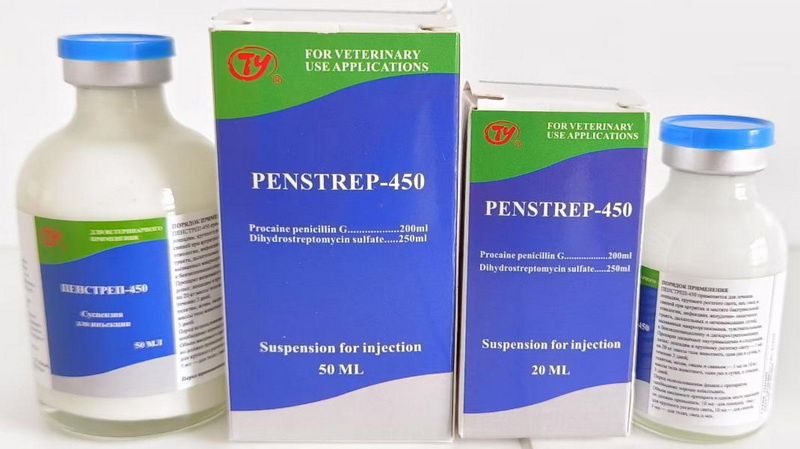
The mechanism for both forms rests on penicillin's classic ability to block bacterial cell wall synthesis. Penicillins bind irreversibly to bacterial enzymes called penicillin-binding proteins (PBPs), which assemble peptidoglycan cross-links that reinforce the cell wall. Without these cross-links, bacteria rapidly lyse due to osmotic imbalance.[4]
Key points:
- Procaine and benzathine molecules modify penicillin G's pharmacokinetics by slowing absorption and hydrolysis after intramuscular injection.[3][4]
- Both forms are hydrolyzed in the body to release benzylpenicillin, which is the active anti-infective compound.[6][3]
The difference in formulation leads to major differences in how long therapeutic concentrations remain in the bloodstream.
- Procaine Penicillin: Offers a burst of penicillin G that peaks within several hours and lasts approximately 12–24 hours. It is optimal for short-term and moderate infections, with daily or multi-day dosing required.[8][13][6]
- Benzathine Penicillin: Absorbed far more slowly, resulting in low but steady blood levels for up to 2–4 weeks, with fewer injections needed. This is especially important for long-acting prophylaxis or compliance-demanding infectious diseases.[11][12][10]
Both molecules are eventually hydrolyzed and excreted, mainly via the kidneys, with some contributions from the liver and bile.[4]
The right penicillin depends on the nature and duration of the infection, the patient's risk factors, and convenience.
- Moderate to severe respiratory tract infections (streptococcal pneumonia, erysipelas)
- Scarlet fever
- Soft tissue infections
- Diphtheria (with antitoxin)
- Anthrax
- Alternative for syphilis (in regions where benzathine is unavailable)
- Short-term prophylaxis for susceptible patients
- Treatment of certain pediatric infections (with careful dosing)[9][13][14][15][16][5]
- Early, latent, and congenital syphilis (standard treatment—preferred over procaine penicillin)
- Prevention of recurrent rheumatic fever in children and adults with a history of rheumatic heart disease[12][10][11]
- Long-acting therapy for yaws, bejel, and pinta
- Group A streptococcal infections (prophylaxis)
- Long-term compliance therapy in at-risk populations
- Rare cutaneous and soft tissue infections (when extended action is needed)[17][18][5][11]
Clinically, benzathine penicillin's durability of effect is ideal for conditions where missing doses poses severe risk.
Both products are produced by suspending sterile crystalline penicillin G in aqueous solutions containing either procaine hydrochloride or benzathine, yielding injectable suspensions. Strict process controls in Chinese factories ensure stability, potency, and microbial purity, with full regulatory documentation available for international distribution.
- Packing forms: Ampoules, vials, or pre-filled syringes for intramuscular use.
- Customization: Private labeling, special dosages, and packaging options for brand distributors and wholesale clients.
- Quality assurance: Compliance with GMP, ISO, and export regulations.
Your OEM partner should provide full batch records, COA, and technical support for formulation selection depending on your market's needs.
| Drug | Typical Onset/Duration | Key Use |
|---|---|---|
| Procaine penicillin | 1–4 hours onset, 12–24 hours action | Daily/alternate day dosing |
| Benzathine penicillin | 12–24 hours onset, 2–4 weeks action | Weekly, biweekly, or monthly dosing |
Benzathine penicillin produces extended serum levels—making it preferable for infectious diseases requiring long-term suppression. Procaine penicillin's shorter effect is best for acute phases and mild-moderate infections.
A randomized prospective study of children treated for asymptomatic congenital syphilis found no significant efficacy difference between one dose of benzathine penicillin G and ten days of procaine penicillin G. Both regimens effectively reduced RPR (rapid plasma reagin) titers and produced clinical cures in the majority of cases.[1]
This equivalence underscores that clinical circumstances and logistical availability often determine product choice.
- Procaine Penicillin: Procaine acts as a local anesthetic, relieving injection discomfort—but rare complications can include procaine toxicity if injected incorrectly. Hoigne's syndrome is a rare but well-documented neuropsychiatric reaction.[3]
- Benzathine Penicillin: More painful, especially in children; injection site reactions are common. Hypersensitivity reactions (rash, anaphylaxis) must be monitored in both drugs.[10][11]
Warnings:
- Never use either intravenously; severe, sometimes fatal reactions are possible.[2][3]
- Always ensure proper dosing and administration technique; deep intramuscular injection is required.
- Renal function and allergy history must be assessed before prescribing high doses or repeated injections.[15]
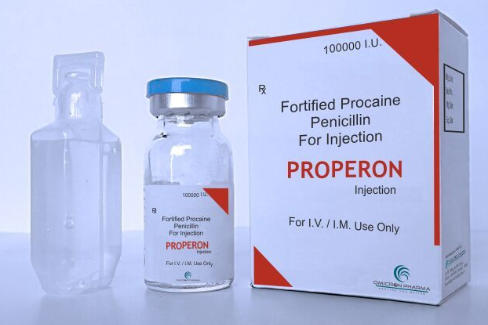
- Injection site pain and swelling
- Allergic reactions: rash, fever, anaphylaxis (black box warning)
- Neurologic complications: procaine penicillin may rarely cause confusion, anxiety, hallucinations (Hoigne's syndrome)
- Renal side effects: especially with high or prolonged dosing
- Gastrointestinal upset
- Documented allergies to penicillins or procaine
- Previous severe adverse reactions
- Intravenous administration strictly forbidden
- Elderly, pediatric, pregnant, or renal-impaired patients require careful monitoring and dose adjustment.[3][4]
Long-acting benzathine penicillin drastically improves compliance for chronic diseases, as fewer injections are required. Procaine penicillin is preferred if daily or alternate day dosing is feasible and if pain control is necessary.
- Benzathine penicillin G: Standard doses range from weekly to monthly, depending on indication.
- Procaine penicillin G: Usually administered once daily, sometimes in divided doses.
Missing a scheduled dose or prematurely ending therapy risks both treatment failure and antimicrobial resistance.[2]
As a biotechnology and pharmaceutical manufacturer, supplybenzocaine.co.uk offers high-quality, custom-formulated injectable penicillins for private label, hospital, and government procurement programs. Technical solutions, compliance assurance, and flexible production schedules allow for competitive market entry and sustained partnerships worldwide.
Advantages:
- Streamlined procurement and custom branding for international markets.
- Expert technical consultation on product formulation and regulatory compliance.
- Rapid time-to-market with established batches, quality certificates, and stable pricing.
Collaborate to receive tailored recommendations for your healthcare brand, focusing on patient compliance, product
differentiation, and technical documentation.
Benzathine penicillin is now best known for its use in syphilis therapy and prevention of rheumatic fever recurrence. Procaine penicillin continues to be essential for moderate infections, including respiratory, skin, and pediatric diseases where pain reduction is needed.
Both drugs hold importance in antibiotic stewardship, with careful dosing and application necessary to prevent resistance.
Emerging opportunities include:
- New dosage forms for pediatric, geriatric, and outpatient treatments.
- Expansion into veterinary care for livestock and companion animals.
- Integration with other antibacterials for multi-drug regimens.
Procaine penicillin and benzathine penicillin each play distinct roles in combating bacterial infections, with differences centering on duration of action, application scenario, and injection pain. Benzathine penicillin is preferred for long-term and prophylactic use, with less frequent dosing and better patient compliance, while procaine penicillin is optimal for cases requiring short-term therapy with minimal injection pain. Both require expertise in manufacturing and clinical deployment to achieve intended therapeutic outcomes safely.
For international clients seeking expert OEM manufacturing of injectable penicillins, supplybenzocaine.co.uk delivers custom solutions backed by advanced technology, regulatory support, and market-driven product innovation. Contact us today for tailored recommendations and a competitive edge in global healthcare delivery.
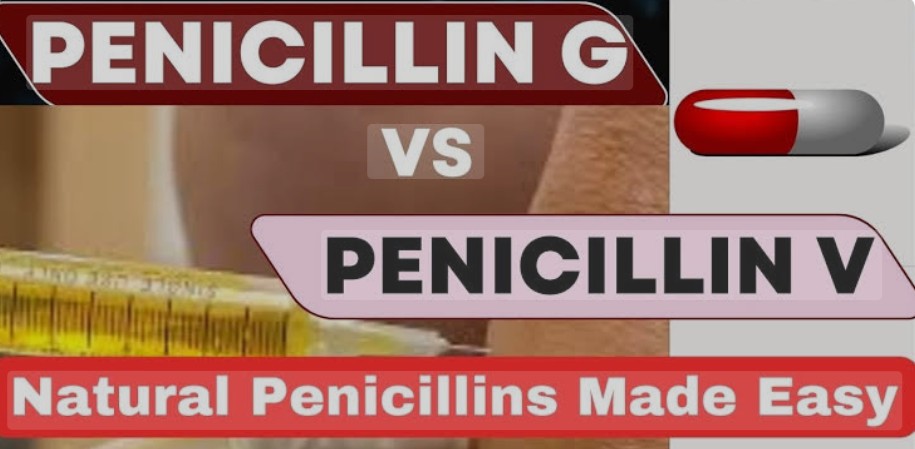
Procaine penicillin offers shorter duration (12–24 hours) and includes a local anesthetic to minimize injection pain; benzathine penicillin is long-acting (2–4 weeks) with higher patient compliance but can be more painful at the injection site.[6][11][10]
Benzathine penicillin is preferred for syphilis therapy, prevention of rheumatic fever, and situations requiring long-term, single-dose antibiotic coverage.[18][11][17]
Yes. Leading Chinese manufacturers offer GMP-certified, export-ready injectable penicillins in vials, ampoules, or prefilled syringes, tailored to meet brand, regulatory, and documentation needs for global distributors.
With appropriate dosing and close supervision, both drugs can be used in pediatric and pregnant patients, but each case must be assessed for allergies, renal function, and risk factors.[11][10]
Never inject either form intravenously due to risk of fatal complications; careful allergy screening, dosing accuracy, and injection technique are vital for safe use.[2][3]
[1](https://pubmed.ncbi.nlm.nih.gov/8071762/)
[2](https://medlineplus.gov/druginfo/meds/a615053.html)
[3](https://labeling.pfizer.com/showlabeling.aspx?id=690)
[4](https://www.ncbi.nlm.nih.gov/books/NBK554560/)
[5](https://www.mayoclinic.org/drugs-supplements/penicillin-g-benzathine-and-penicillin-g-procaine-intramuscular-route/description/drg-20452194)
[6](https://www.sciencedirect.com/topics/medicine-and-dentistry/procaine-benzylpenicillin)
[7](https://publications.aap.org/pediatriccare/drug-monograph/18/7826/Penicillin-G-Benzathine-and-Penicillin-G-Procaine)
[8](https://labeling.pfizer.com/showlabeling.aspx?id=718)
[9](https://www.pediatriconcall.com/drugs/procaine-penicillin/898)
[10](https://www.ncbi.nlm.nih.gov/books/NBK507723/)
[11](https://en.wikipedia.org/wiki/Benzathine_benzylpenicillin)
[12](https://www.pediatriconcall.com/drugs/benzathine-penicillin/315)
[13](https://www.youtube.com/watch?v=F8kilENrMDc)
[14](https://en.wikipedia.org/wiki/Procaine_benzylpenicillin)
[15](https://www.medicinenet.com/penicillin_g_procaine/article.htm)
[16](https://go.drugbank.com/drugs/DB09320)
[17](https://www.mayoclinic.org/drugs-supplements/penicillin-g-benzathine-intramuscular-route/description/drg-20506360)
[18](https://reference.medscape.com/drug/bicillin-la-permapen-penicillin-g-benzathine-999573)
Hot tags: Benzathine Penicillin Uses, Benzathine Penicillin Side Effects, Benzathine Penicillin Dosage, Benzathine Penicillin Injection, Benzathine Penicillin Mechanism, Benzathine Penicillin vs Procaine, Benzathine Penicillin Allergies, Benzathine Penicillin Treatment, Benzathine Penicillin Benefits, Benzathine Penicillin Antibiotic