Content Menu
● Introduction to Procaine Penicillin
● Mechanism of Action and Benefits
● Dosage Guidelines for Adults
● Dosage Guidelines for Children
● Preparation and Administration Techniques
>> Safety Protocols and Best Practices
>> Practical Clinical Considerations
● Indications for Dose Adjustment
● Efficacy and Clinical Outcomes
● Adverse Effects, Contraindications, and Warnings
>> Pregnancy and Breastfeeding
>> Veterinary and OEM Market Applications
● Benefits of Partnering with Chinese OEM Factories
>> 1. What is the typical adult dose for moderate pneumonia or streptococcal infection?
>> 2. How is pediatric dosing determined?
>> 3. What precautions reduce the risk of nerve injury?
>> 4. Can procaine penicillin treat late-stage syphilis or anthrax?
>> 5. What are the most serious side effects?
Procaine penicillin is a combination of penicillin G and procaine, which provides sustained antibiotic action due to its slow absorption from the intramuscular site of injection. The formulation is designed to allow for less frequent dosing than aqueous penicillin G, enhancing patient compliance and reducing healthcare burdens in both human and veterinary medicine.[3][5]
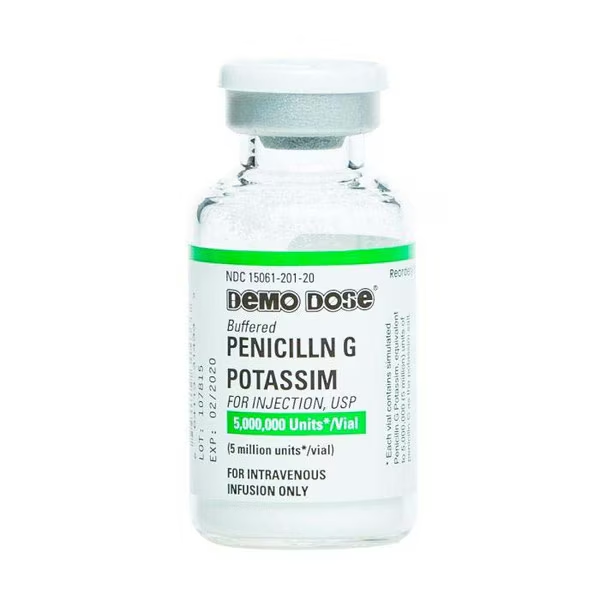
Penicillin G acts by inhibiting the synthesis of bacterial cell walls, leading to cell death of susceptible organisms, particularly Gram-positive bacteria. The addition of procaine reduces injection site pain and prolongs therapeutic levels, making it especially suitable for indications that require continuous, moderate dosing. The pharmacological synergy ensures broad application in infectious disease management.[8][11]
Procaine penicillin covers a wide spectrum of clinical indications:
- Respiratory tract infections (pneumonia, bronchitis)
- Skin, soft tissue, and wound infections (caused by streptococci, staphylococci)
- Syphilis (all clinical stages)
- Anthrax (cutaneous and inhalational exposure)
- Diphtheria (adjunct to antitoxin and carrier state eradication)
- Bacterial endocarditis (in highly sensitive cases)
- Erysipeloid
- Rat-bite fever
- Vincent's angina (fusospirochetosis)
- Yaws, bejel, and pinta
- Prophylaxis for rheumatic fever and glomerulonephritis in select clinical scenarios.[1][9]
The exact dosage and duration of procaine penicillin depend on the infection's severity, the patient's age, weight, and any underlying health conditions. The following are standard recommendations for adult patients, which also apply to children over 60 lbs unless otherwise noted:[5][1][2][3]
- Pneumonia (moderate/severe): 600,000–1,000,000 units IM once daily until clinical improvement.
- Streptococcal infections (Group A): 600,000–1,000,000 units IM once daily for at least 10 days.
- Staphylococcal infections: 600,000–1,000,000 units IM once daily, duration guided by clinical course.
- Syphilis (primary, secondary, latent): 600,000 units IM daily for 8 days.
- Syphilis (late tertiary/neurosyphilis): 600,000 units IM daily for 10–15 days (total 6–9 million units).
- Anthrax (cutaneous): 600,000–1,000,000 units IM once daily.
- Anthrax (inhalational, post-exposure): 1,200,000 units IM every 12 hours for up to 2 weeks, as part of a 60-day regimen.[7][1]
- Diphtheria (adjunct): 300,000–600,000 units IM once daily.
- Bacterial endocarditis: 600,000–1,000,000 units IM daily (only for extremely susceptible cases).[3][5]
Adjustments are necessary for patients with significant renal impairment or advanced age.[5]
For pediatric patients, weight-based dosing is critical to ensure both efficacy and safety. Neonates are at increased risk for procaine toxicity and abscess, so alternatives are generally preferred for this group:[2][3][5]
- Infants/children: 25,000–50,000 units/kg body weight IM daily, divided if necessary.
- Children <60 lbs: 300,000 units IM once daily.
- Children >60 lbs: Use adult dosing.
- Congenital syphilis (under 70 lbs): 50,000 units/kg IM daily for 10 days.
- Anthrax (inhalational, post-exposure): 25,000 units/kg every 12 hours, with a maximum of 1,200,000 units per dose, for up to 2 weeks.[1][7]
All pediatric dosing should be supervised by a healthcare professional familiar with intramuscular injection and pediatric infection management.
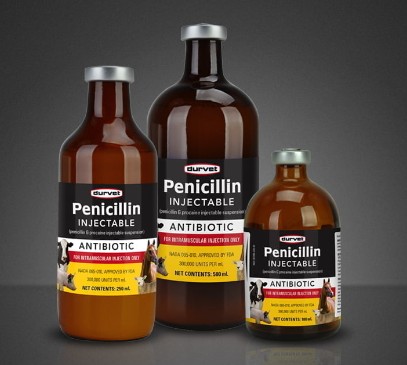
Procaine penicillin is strictly for deep intramuscular injection. Never inject intravenously, subcutaneously, or into/near arteries or nerves due to severe risk of neurovascular complications. The buttock's upper outer quadrant is the preferred adult site, while the midlateral thigh is used for infants and small children. The needle is inserted at a 90-degree angle, and the medication is injected slowly to ensure even distribution.[7][3][5]
- Rotate injection sites if multiple or prolonged therapies are needed to minimize local irritation and tissue damage.
- Use sterile technique: always disinfect the skin and use new needles/syringes for each injection.[3][5]
- Visual inspection: Ensure suspensions are well mixed; do not use if particles or discoloration are present.
- For best patient comfort, allow the drug to reach room temperature, and administer slowly.[12][13]
- Injection volumes over 2 mL may need to be divided into multiple sites in children or frail adults.
- Monitor for immediate post-injection reactions, especially allergic or neurovascular events.
- Always confirm no known allergy to penicillins, cephalosporins, or procaine.
Individuals with renal insufficiency, elderly patients, or those with severe infections may require modified dosing schedules or alternative antibiotic regimens. Laboratory surveillance, including renal function assessment and infection markers, can help in ongoing adjustment of therapy.[1][5]
Procaine penicillin's long-acting profile ensures sustained bactericidal concentrations in plasma, providing optimal outcomes for most indications, especially in outpatient or field settings. Clinical trials and real-world evidence support its effectiveness in respiratory, soft-tissue, and sexually transmitted infections, as well as certain zoonoses.[8][1]
Like all penicillins, procaine penicillin may cause side effects ranging from mild to life-threatening:[2][5][1]
- Local pain, redness, swelling at injection site
- Transient fever, malaise
- Nausea or gastrointestinal upset
- Mild urticaria or rash
- Anaphylaxis or severe allergic reactions (immediately discontinue and treat with epinephrine)
- Jarisch-Herxheimer reaction (sudden fever and chills, mainly during syphilis therapy)
- Permanent neurological damage if injected into or near a nerve or artery
- Severe pseudomembranous colitis or superinfection
- Known hypersensitivity or allergy to penicillins or procaine
- Use with caution in asthmatic or atopic patients due to heightened allergy risk[5][1]
Procaine penicillin is typically considered safe in pregnancy and lactation, as it does not appear to be teratogenic and passes into breast milk in low concentrations. Physicians should always weigh the risks and benefits based on clinical necessity.[14][1]
The growing demand for high-purity, GMP-certified injectable antibiotics for animal health and research drives OEM inquiries and orders from international partners. Chinese factories like supplybenzocaine.co.uk offer:
- Custom formulation, filling, and private label packaging
- Regulatory support for global market entry
- On-demand volume manufacturing and seamless supply chain management
For wholesalers, brand owners, and pharmaceutical distributors, sourcing from established OEM suppliers ensures:
- Enhanced price competitiveness
- Consistent pharmaceutical quality and regulatory compliance
- Flexible supply capacity, packaging customization, and technical support
Client-centric manufacturing helps ensure business growth in dynamic pharmaceutical and veterinary markets, empowering partners to focus on global market expansion.
Procaine penicillin remains crucial in combating infectious diseases in both healthcare and veterinary settings. Proper dosing—tailored to patient age, weight, and clinical scenario—is essential for treatment success. OEM partners and global buyers benefit from working with compliant manufacturers providing quality-guaranteed, fully customizable procaine penicillin products. For professional advice, OEM order inquiries, or detailed product specs, contact supplybenzocaine.co.uk. Partner with us and grow your portfolio with trusted, effective, and competitively sourced procaine penicillin formulations.
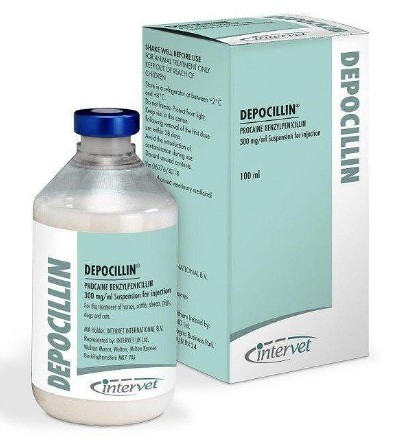
Adults generally receive 600,000 to 1,000,000 units by intramuscular injection once daily. Duration varies with infection type but is generally 10 days for streptococcal infections.[2][3][5]
Children below 60 lbs get 300,000 units IM daily, while those over 60 lbs use the adult dose. Weight-based dosing is 25,000–50,000 units/kg daily, best adjusted under medical supervision.[1][5][2]
Always perform slow, deep intramuscular injections in recommended sites: the buttock for adults and the thigh for children. Never inject into or near nerves or arteries.[7][3][5]
Yes. For late syphilis, use 600,000 units IM daily for 10–15 days; for inhalational anthrax, up to 1,200,000 units every 12 hours for two weeks, typically as part of a combination regimen.[7][1]
The most severe adverse reactions are anaphylaxis (severe allergic response) and neurological injury from incorrect injection technique. Rapid medical attention is mandatory if these occur.[5][1][7]
[1](https://labeling.pfizer.com/showlabeling.aspx?id=718)
[2](https://www.rxlist.com/penicillin_procaine_injection/generic-drug.htm)
[3](https://www.rxlist.com/penicillin-g-procaine-drug.htm)
[4](https://www.ncbi.nlm.nih.gov/books/NBK154444/bin/annex2-m13.pdf)
[5](https://www.medicinenet.com/penicillin_g_procaine/article.htm)
[6](https://labeling.pfizer.com/showlabeling.aspx?id=690)
[7](https://www.efda.gov.et/wp-content/uploads/2023/09/Fortified-Procaine-Benzyl-penicillin-for-Injection-4MIU_North-China-Pharmaceutical-Co.-Ltd.pdf)
[8](https://www.ncbi.nlm.nih.gov/books/NBK554560/)
[9](https://www.hopkinsguides.com/hopkins/view/Johns_Hopkins_ABX_Guide/540424/all/Penicillin)
[10](https://my.clevelandclinic.org/health/drugs/18945-penicillin-g-benzathine-penicillin-g-procaine-injection)
[11](https://go.drugbank.com/drugs/DB09320)
[12](https://wellwisp.com/how-to-inject-penicillin/)
[13](https://www.longbeach.gov/globalassets/health/media-library/documents/diseases-and-condition/information-on/hiv-aids/how-to-administer-bicillin---1-)
[14](https://www.ncbi.nlm.nih.gov/books/NBK501079/)
Hot tags: Procaine Penicillin Dosage, Penicillin G Procaine Injection, Dosage Guidelines for Procaine Penicillin, Procaine Penicillin Side Effects, Procaine Penicillin Administration, Recommended Dosage for Penicillin G, Procaine Penicillin for Infections, Penicillin G Procaine Dosage Chart, Procaine Penicillin Injection Instructions, Procaine Penicillin Usage in Adults