Content Menu
● Procaine's Chemical Structure
● The Pharmacophore Concept and Its Relevance
>> Pharmacophore Features and Function
● Procaine's Mechanism of Action Explained
>> Differential Nerve Fiber Blockade
>> Advanced Mechanistic Insights
● Classification: Ester versus Amide Local Anesthetics
● Structure-Activity Relationship (SAR) of Procaine
● Pharmacokinetics and Metabolism
>> Pharmacogenomic Considerations
● Clinical Applications: History and Modern Usage
● Safety, Side Effects, and Allergies
● Procaine in Pharmaceutical R&D
● Manufacturing and OEM Opportunities
● Emerging Research and Innovative Applications
● FAQ
>> 1. What is the pharmacophore of procaine?
>> 2. What makes procaine different from other local anesthetics?
>> 3. Why is procaine's ester bond clinically significant?
>> 4. Which factors influence the potency and onset of procaine?
>> 5. Is procaine suitable for all patients?
Procaine, widely known for its trade name Novocaine, stands as a classic local anesthetic with a proven record in medical and dental applications. Synthesized as an ester of 4-aminobenzoic acid, procaine's unique molecular structure guides its clinical performance, biophysical interactions, and metabolic fate. Its pharmacophore represents the specific three-dimensional arrangement of key atoms or groups responsible for its bioactivity—a critical concept for R&D, OEM drug formulation, and pharmaceutical innovation. This article delivers an in-depth discussion of procaine's pharmacophore, integrating chemical, biochemical, and clinical insights for advanced readers and professional buyers in the medical and biotech industries.[1][2][4][8]

The essential components of procaine's pharmacophore are:
- Aromatic Ring (4-aminobenzoic acid core): Enhances lipid solubility, facilitating diffusion through cellular membranes.
- Ester Linkage: Connects the aromatic core to the terminal amine, determining procaine's rapid hydrolysis and classifying it among ester-type local anesthetics.
- Tertiary Amino Group: The diethylaminoethyl fragment acts as a hydrophilic moiety and active site for interaction with ion channels.[2][8][1]
This molecular architecture ensures that procaine can penetrate lipid-rich nerve sheath layers, switch between ionized and non-ionized forms, and block neuronal sodium channels efficiently.
The pharmacophore is not just a static representation of a drug's molecular features. It embodies the dynamic interplay of steric, electronic, and hydrophobic interactions between a drug and its biological target. Procaine's pharmacophore was meticulously refined over decades to optimize neural penetration, channel affinity, and clinical safety. For procaine, the pharmacophore guarantees reliable anesthetic effects, rapid onset, and predictable metabolism.
- Aromatic ring: The primary hydrophobic domain, allowing procaine to dissolve into nerve membrane lipids.
- Ester linkage: Governs the drug's breakdown by plasma esterases, resulting in a shorter duration of action than amide alternatives.
- Amino group: Ensures effective reversible binding inside neuron sodium channels and modulates ionization states for membrane translocation.[8][9][1][2]
Procaine's utility in clinical anesthesia derives from its ability to selectively block voltage-gated sodium channels in peripheral nerves. The molecular events underlying local anesthesia are multidimensional:
1. Diffusion Across Membranes: Lipid-soluble (unionized) procaine crosses the epineural sheath and axonal membrane with ease, thanks to its aromatic ring.
2. Protonation Within the Cytoplasm: Once inside, procaine equilibriates into its cationic (ionized) form, which is pharmacologically active.
3. Binding to Sodium Channel Receptors: The ionized molecule binds specifically to the cytoplasmic side of the sodium channel, locking it in an inactivated state.
4. Blockade of Action Potential Propagation: This prevents the influx of sodium ions, rendering the nerve incapable of transmitting pain signals.[1][2]
A noteworthy pharmacological feature is differential blockade—procaine typically inhibits smaller, myelinated fibers first (those responsible for pain and temperature), followed by larger myelinated fibers involved in motor control and deep touch. Thus, analgesia precedes motor effects in most clinical scenarios.[1]
Recent research highlights procaine's broader pharmacodynamic footprint:
- It modulates NMDA receptors, nicotinic acetylcholine receptors, and serotonin receptor complexes, hinting at its potential role in pain modulation and neuroprotection.[6][2]
- Emerging studies suggest DNA-demethylating effects and anti-cancer properties, pushing new boundaries for pharmaceutical R&D.[4]
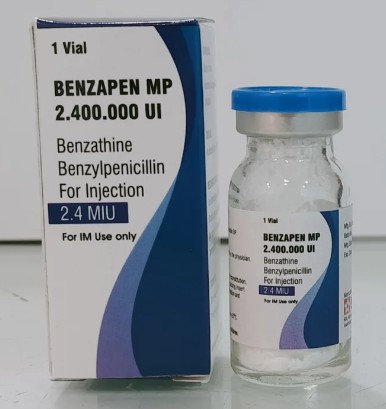
Procaine is the prototypical ester-type local anesthetic, undergoing rapid hydrolysis in plasma, whereas amide-type agents (like lidocaine and bupivacaine) are metabolized primarily in the liver. This distinction affects:
- Duration of action: Procaine is fast-acting and short-lived, suitable for brief procedures.
- Allergic potential: Ester anesthetics can form para-aminobenzoic acid (PABA), associated with allergic reactions.
- Clinical versatility: Amides are often preferred for extended anesthesia but may carry distinctive risk profiles.[9][2][4][1]
The efficacy and safety of procaine hinge on how its molecular structure determines its interaction with nerves and metabolic enzymes:
- Aromatic ring: Dictates lipid solubility and channel affinity.
- Ester bond: Influences metabolic rate and side effect risk.
- Tertiary amine: Controls charge status, membrane permeability, and receptor engagement.[2][1]
Additional modifications, such as lengthening the intermediate chain or introducing alternative substitutions, can dramatically alter anesthetic potency, onset, and allergenicity.
Following administration, procaine undergoes the following pharmacokinetic processes:
- Absorption: Rapid absorption after parenteral injection, especially in well-perfused tissues.
- Distribution: Procaine disperses widely and can cross biological barriers effectively.
- Metabolism: Hydrolyzed primarily by plasma pseudocholinesterase into diethylaminoethanol (DEAE) and para-aminobenzoic acid (PABA). Microsomal carboxylesterases in the liver and other organs also contribute to its breakdown.[5][1]
- Excretion: Metabolites are eliminated via the kidneys.
- Half-Life: The elimination half-life is short, typically around 7-8 minutes.[5]
Individual variations in plasma esterases can impact procaine's metabolism, efficacy, and risk of toxicity. Some patients (e.g., with pseudocholinesterase deficiency) are at risk for prolonged or exaggerated anesthetic effects.[2]
Procaine rose to prominence in the early 20th century as a safer, less addictive alternative to cocaine. Current clinical applications include:
- Local anesthesia for dental, dermatological, and minor surgical procedures
- Peripheral nerve block and infiltration anesthesia
- Treatment of extravasation and vascular spasm complications
- Adjunctive therapy with antibiotics (e.g., procaine penicillin) to reduce injection pain and inflammation[7][10][11][4][1]
While newer agents have largely replaced procaine in many settings, it remains valuable for select patients, especially those with contraindications to amide anesthetics or who require brief, reversible nerve blockade.
As an ester-type agent, procaine carries certain risks:
- Allergic reactions: Most commonly linked to the PABA metabolite; presents as rash, urticaria, or anaphylaxis.
- Systemic toxicity: Overdosage or inadvertent intravascular injection may lead to CNS and cardiovascular depression—manifesting as dizziness, confusion, hypotension, arrhythmias, or seizures.
- Drug interactions: Epinephrine may be coadministered to limit systemic absorption and prolong local effect through vasoconstriction.[10][4][1][2]
Routine monitoring and adherence to dose guidelines are critical for safe administration.
Procaine serves not only as a prime example of rational drug design based on pharmacophore theory but as a foundational scaffold for new anesthetic agents. Modifying the aromatic core, ester linkage, or amino group can yield molecules with improved potency, altered duration, and lower allergenic potential. Procaine analogs also inspire research in neuroprotection, pain management, and epigenetic modulation for cancer therapeutics.[4][2]
For international buyers and B2B partners, procaine's established synthesis and characterization make it a reproducible, scalable product for OEM contracts involving:
- Injectable local anesthetic formulations
- Combination antibiotic products (e.g., procaine penicillin)
- Custom R&D for derivative anesthetics and investigational therapeutics
Advanced analytical techniques (HPLC, NMR, GC-MS) ensure rigorous batch consistency, purity, and regulatory compliance for global applications.
Beyond anesthesia, procaine's pharmacophore has relevance in several new therapeutic domains:
- Antioxidant effects: Reduces oxidative stress, improves cellular resilience in geriatrics.[5]
- Epigenetic research: Inhibits DNA methyltransferases, opening avenues in cancer therapy and gene modulation.[4][2]
- Potential in neurodegenerative disease: Ongoing studies explore its role in modulating neural pathways and preventing neuronal damage.
The expansion of procaine's applications underscores its value for R&D-driven partnerships between manufacturers and global pharma customers.
Procaine's pharmacophore—a finely tuned combination of aromatic, ester, and amine functional groups—enables rapid onset, effective neural blockade, and reliable clinical safety for local anesthesia. Its molecular design has set the stage for both legacy and innovative pharmaceutical products across decades of research and patient care. For international partners and buyers, proven synthesis protocols, scalable OEM services, and continuous pharmacological advancements make procaine a strategic choice for medical formulations, research applications, and future drug development.
Are you seeking a reliable OEM partner for pharmaceutical manufacturing, research collaborations, or custom product development in the field of anesthetics, biomedicine, or healthcare? Contact our professional team today to discuss technical solutions and unlock new value in your supply chain!
The pharmacophore of procaine consists of an aromatic ring enhancing lipid solubility, an ester linkage ensuring rapid metabolism, and a tertiary amine providing reversible channel binding—this structural ensemble drives its anesthetic effects.[8][1][2]
Procaine is an ester-type anesthetic, metabolized in plasma, and characterized by rapid onset and short action—distinguishing it from amide-type agents metabolized in the liver.[1][2][4]
The ester bond renders procaine susceptible to fast hydrolysis by plasma esterases, yielding short duration and a potential for allergic reactions due to PABA formation.[5][1]
Potency is chiefly determined by procaine's lipid solubility (aromatic ring), while onset depends on the dissociation constant and plasma-protein binding—these are controlled by its fundamental pharmacophore features.[1]
Procaine is appropriate for brief, localized anesthesia but may be contraindicated in patients with allergies to esters or those carrying pseudocholinesterase deficiency. Amide alternatives are preferred for prolonged anesthesia or if allergic risk is high.[4][1]
[1](https://www.ncbi.nlm.nih.gov/books/NBK551556/)
[2](https://go.drugbank.com/drugs/DB00721)
[3](https://www.sciencedirect.com/topics/pharmacology-toxicology-and-pharmaceutical-science/procaine)
[4](https://en.wikipedia.org/wiki/Procaine)
[5](https://www.chemicalbook.com/article/procaine-pharmacokinetics-and-clinical-applications.htm)
[6](https://flarer.ch/en/uses-and-beneficial-properties-of-procaine/)
[7](https://www.sciencedirect.com/topics/chemistry/procaine)
[8](https://pubchem.ncbi.nlm.nih.gov/compound/Procaine)
[9](https://synapse.patsnap.com/article/what-is-the-mechanism-of-procaine-hydrochloride)
[10](https://www.britannica.com/science/procaine-hydrochloride)
[11](https://www.youtube.com/watch?v=F8kilENrMDc)
Hot tags: Procaine Pharmacophore, Procaine Structure, Local Anesthetics, Procaine Mechanism, Procaine Uses, Procaine Side Effects, Procaine Chemistry, Procaine Applications, Procaine Drug Interactions, Procaine Molecular Features