Content Menu
● Composition and Pharmacology
● Indications and Approved Uses
● Pharmacokinetics and Tissue Distribution
● Precautions and Contraindications
● Professional Use and Manufacturing Considerations
>> 1. What is Penicillin G Procaine primarily used to treat?
>> 2. How is Penicillin G Procaine administered?
>> 3. What precautions should I take before starting therapy?
>> 4. Are there any notable side effects?
>> 5. Can Penicillin G Procaine be used to treat viral infections?
Penicillin G Procaine is a widely used injectable antibiotic famed for its effectiveness against a variety of infections caused by susceptible bacteria. Because of its prolonged serum concentrations and relatively pain-free administration due to the procaine component, Penicillin G Procaine has been an essential part of both human and veterinary medicine for decades. This article presents an in-depth overview of appropriate dosing, key clinical uses, administration methods, safety issues, and important manufacturer considerations for supply partners involved in the pharmaceutical sector.[1][2][3]
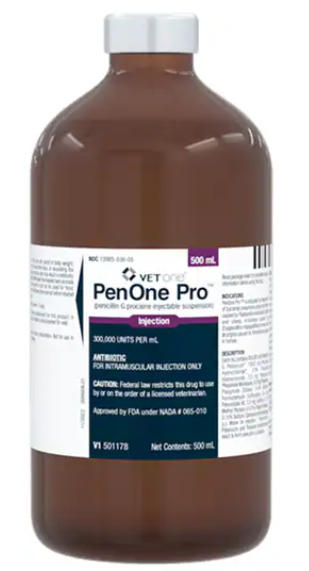
Penicillin G Procaine consists of two primary ingredients: benzylpenicillin (penicillin G) and the local anesthetic procaine. The combination facilitates deep intramuscular administration, reduces discomfort during injection, and results in slow, sustained absorption, providing continuous antibacterial action for up to 24 hours.[2][4]
The chemical nature of the compound enables it to hydrolyze slowly at the injection site, releasing active penicillin G, which then exerts bactericidal effects through inhibition of bacterial cell wall synthesis. Approximately 60% of the drug binds to serum proteins, with major tissue distribution observed in kidneys, liver, and skin.[2]
Penicillin G Procaine is primarily indicated for infections proven or strongly suspected to be caused by penicillin-susceptible microorganisms where sustained but moderate serum levels are adequate for treatment. Some commonly treated conditions include:[3][4][1][2]
- Mild to moderately severe pneumonia (e.g., Streptococcus pneumoniae)
- Upper respiratory tract infections
- Erysipelas, skin, and soft tissue infections
- Scarlet fever (streptococcal pharyngitis)
- Syphilis (primary, secondary, latent with negative CSF)
- Yaws, Bejel, Pinta (spirochetal diseases)
- Anthrax (cutaneous, post-exposure prophylaxis)
- Diphtheria (in conjunction with antitoxin)
- Diphtheria carrier state
- Adjunctive therapy in congenital syphilis
- Certain veterinary applications (respiratory and systemic infections in livestock)
It is ineffective for infections involving penicillinase-producing organisms, neutropenic conditions, or where very high and sustained penicillin levels are necessary.[4][2]
Dosing must always be guided by the infection type, its severity, patient age and weight, microbial susceptibility, and any relevant renal impairment. The following standardized dosage regimens are recommended for adult and pediatric patients:[1][3][2]
- Moderately Severe Pneumonia, Skin/Skin Structure Infections: 600,000–1,200,000 units intramuscularly (IM) daily for 7–10 days depending on clinical response.
- Acute Streptococcal Pharyngitis (Scarlet Fever/Erysipelas): 600,000–1,200,000 units IM daily for 10 days.
- Syphilis (Primary, Secondary, or Latent): 600,000 units IM daily for 8–15 days; tertiary or late latent syphilis requires 10–15 days at same dosage.
- Anthrax (Cutaneous): 600,000–1,000,000 units IM daily.
- Anthrax (Inhalational/Post-Exposure): 1,200,000 units IM every 12 hours for up to 2 weeks, with other therapies required for full course.
- Diphtheria (Adjunct): 300,000–600,000 units IM daily, as prescribed by a healthcare professional.[3][1][2]
- Calculated by weight, generally 25,000–50,000 units per kg body weight per day, divided as necessary.
- For congenital syphilis: 50,000 units per kg IM daily for 10 days.[4][1][2]
Doses for livestock typically use 3,000 units per pound of body weight, administered IM daily for a prescribed period under veterinary supervision. Meat and milk withdrawal periods should be strictly observed.[5][8]
Penicillin G Procaine is administered by deep intramuscular injection, usually into the gluteal or anterolateral thigh muscle. Accurate IM injection is crucial to avoid inadvertent vascular injection, which can result in severe, sometimes life-threatening, reactions.[1][2][3]
Healthcare providers should:
- Use only freshly suspended, opaque solutions.
- Rotate injection sites to minimize tissue irritation.
- Limit volume injected at a single site as directed by the manufacturer (often ≤ 10 mL).[5]
- Follow strict aseptic technique to prevent abscess formation.
The patient should be monitored for immediate post-injection reactions, particularly neurovascular or hypersensitivity symptoms, as rare but severe side effects can arise shortly after administration.[2][3][1]
Following IM injection, serum levels plateau within 4–6 hours and remain effective for at least 12–24 hours, depending on dose and patient physiology. The drug is widely distributed in the body but does not achieve high concentrations in the cerebrospinal fluid unless the meninges are inflamed. Up to 90% of the administered drug is eliminated via renal excretion within 36 hours, which necessitates adjustment or increased monitoring in patients with impaired renal function or in neonates.[1][2]
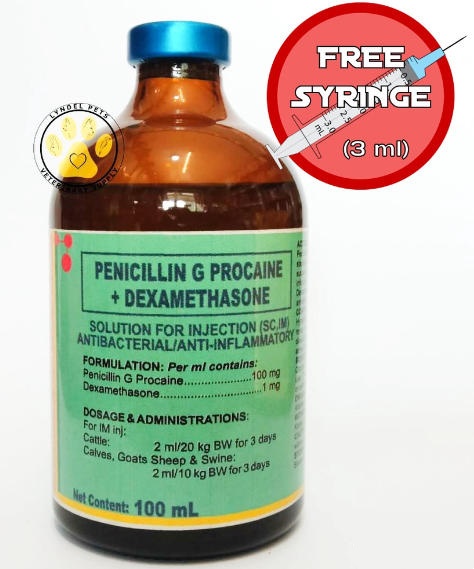
To prevent the development of antimicrobial resistance, Penicillin G Procaine—like all antibacterial drugs—should only be used in cases where bacterial infection is proven or strongly suspected and not for viral illnesses such as the common cold or flu.[3][2][1]
Microbial resistance is most commonly associated with the production of beta-lactamase (penicillinase), an enzyme that inactivates penicillin and confers resistance in certain strains of staphylococci and gram-negative organisms.[2]
Penicillin G Procaine is generally well-tolerated when used as directed; however, both minor and serious adverse effects are possible.[3][1][2]
- Pain and swelling at injection site
- Localized lump or mild irritation
- Rash or allergic skin reactions
- Gastrointestinal disturbances (nausea, diarrhea)
- Hypersensitivity/Anaphylaxis: Rapid-onset allergic reaction, including airway compromise, shock, and potentially fatal outcomes.
- Neurovascular Damage: Accidental injection into a blood vessel can cause agitation, hallucinations, confusion, and circulatory problems, particularly in pediatric patients.
- Severe local reactions: Severe pain, tissue necrosis, or blue-black discoloration if mistakenly administered intravenously or subcutaneously.
Any sign of hypersensitivity, sudden mental status change, or severe local reaction should prompt immediate medical attention and discontinuation of the drug. Patients with known allergies to penicillin or procaine must never receive this preparation.[1][2][3]
- Do not use in patients with known or suspected penicillin allergies.
- Avoid in patients with histories of severe reactions to local anesthetics.
- Use with extreme caution in neonates or elderly patients with impaired renal function.
- Always consult a medical professional before initiating therapy, particularly in cases of pregnancy or underlying health conditions.
Maintain a full course of therapy, even after feeling better. Premature discontinuation increases the risk of relapse or development of drug-resistant organisms.[1]
For international partners and B2B clients sourcing Penicillin G Procaine via OEM or ODM supply, quality assurance and compliance with current GMP standards is paramount.
Advantages of sourcing from a rigorous supplier include:
- Consistent product quality and batch reliability
- Regulatory-compliant labeling and packaging options
- Availability of product documentation and support for registration in multiple regions
- Capacity for tailored formulations and volumes based on end-user market needs
Facilitating successful import, registration, or regulatory approval requires close collaboration with an established manufacturer able to provide full documentation and support for both human and veterinary markets.
Penicillin G Procaine remains an indispensable antibiotic for a range of clinically important infections in both human and animal medicine. Correct dosing ensures both efficacy and the minimization of resistance, while adherence to approved indications and safety measures protects patient outcomes and public health. For overseas buyers, aligning with a top-tier OEM supplier guarantees quality, regulatory compliance, and superior local service.
Interested in secure, reliable pharmaceutical sourcing? Contact our team for custom OEM and full-service manufacturing support tailored to your business needs and regulatory environment. Let's build global health, together.

Penicillin G Procaine is indicated for moderate infections such as pneumonia, pharyngitis, skin and soft tissue infections, syphilis, anthrax, diphtheria, and several veterinary bacterial diseases, provided the pathogens are sensitive to penicillin G.[2][3][1]
It is given only as a deep intramuscular injection. Intravenous or subcutaneous routes must be strictly avoided to prevent dangerous systemic reactions and severe local complications.[4][2]
Patients must inform providers about any allergy history, especially reactions to penicillin or anesthetics. Medical assessment is essential before treatment in pregnancy, infancy, or in those with impaired renal function.[2][1]
Common adverse effects include injection site pain and mild rash; rarely, serious allergic or neurovascular reactions may arise requiring urgent care.[3][1][2]
No, it is not effective for any viral infections and misuse can increase antibiotic resistance. Use is strictly reserved for bacterial diseases proven or strongly suspected to be penicillin sensitive.[1][2]
[1](https://medlineplus.gov/druginfo/meds/a615052.html)
[2](https://labeling.pfizer.com/showlabeling.aspx?id=718)
[3](https://www.fda.gov/drugs/bioterrorism-and-drug-preparedness/questions-and-answers-consumers-penicillin-g-procaine)
[4](https://www.mayoclinic.org/drugs-supplements/penicillin-g-benzathine-and-penicillin-g-procaine-intramuscular-route/description/drg-20452194)
[5](https://www.mda.state.mn.us/sites/default/files/inline-files/Injectable-Penicillin-G-Procaine-2.21.pdf)
[6](http://publichealth.lacounty.gov/dhsp/DPHSexualHealthClinics/STI%20Medication/Bicillin_Pt_Info.pdf)
[7](https://www.hopkinsguides.com/hopkins/view/Johns_Hopkins_ABX_Guide/540424/all/Penicillin)
[8](https://www.durvet.com/wp-content/uploads/2017/12/Penicillin-Injectable_NORB_100mL_250mL_500mL-1.pdf)
Hot tags: Penicillin G Procaine Dosage, Proper Dose of Penicillin G, Penicillin G Procaine Uses, Penicillin G Procaine Injection, Dosage Guidelines for Penicillin G, Penicillin G Procaine Side Effects, Penicillin G Procaine Treatment, Penicillin G Procaine for Infections, Penicillin G Procaine Administration, Penicillin G Procaine Veterinary Use