Content Menu
● Indications and Clinical Uses
>> Syphilis
>> Respiratory Tract Infections
>> Diphtheria
>> Anthrax
>> Soft Tissue, Skin, and Oral Infections
● Contraindications and Precautions
● OEM Manufacturing and Global Supply
● FAQ
>> 1. What types of infections does procaine penicillin treat?
>> 2. Can people allergic to penicillin use procaine penicillin?
>> 3. How is procaine penicillin administered?
>> 4. What are the main side effects?
>> 5. What makes Chinese OEM suppliers competitive for procaine penicillin?
Procaine penicillin, also known as penicillin G procaine, is a long-acting injectable antibiotic that has played a crucial role in combating various bacterial infections in both human and veterinary medicine. This specialized formulation combines benzylpenicillin with the anesthetic procaine, resulting in effective antimicrobial activity with reduced injection pain and a sustained release profile, making it a preferred option for certain clinical scenarios. As an OEM pharmaceutical manufacturer, supplybenzocaine.co.uk is dedicated to delivering pharmaceutical-grade procaine penicillin for global brands, wholesalers, and manufacturers.[2][3][4][7]
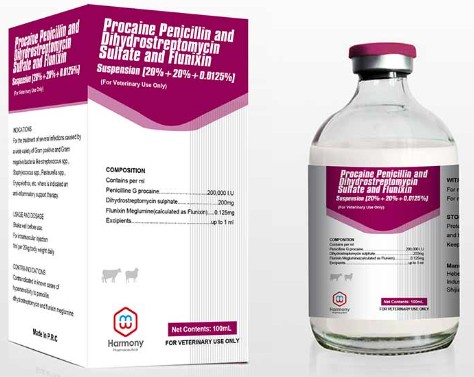
Procaine penicillin belongs to the beta-lactam class of antibiotics. Its bactericidal action stems from its ability to inhibit the synthesis of bacterial cell wall peptidoglycan, which is essential for bacterial integrity and survival. The incorporation of procaine slows the release of penicillin, maintaining therapeutic drug concentrations for up to 24 hours after a single deep intramuscular injection.[4][7][2]
Key pharmacological attributes include:
- Prolonged effect: Reduced frequency of injections (usually once daily).
- Pain reduction: Procaine minimizes injection-related discomfort.
- Selective activity: Highly effective against penicillin-sensitive organisms, but not effective for viruses or penicillin-resistant bacteria.
Procaine penicillin is indicated for a broad spectrum of bacterial infections, especially when prolonged serum concentrations are needed:[6][7][2][4]
A first-line agent for treating all stages of syphilis, including primary, secondary, latent, and congenital forms. Steady serum levels from procaine penicillin allow for effective eradication of Treponema pallidum.[8][4][6]
Moderately severe pneumonia and upper respiratory infections, particularly those caused by Streptococcus and Staphylococcus strains. Used when daily treatments are viable.[7][8]
Employed as adjunctive therapy with diphtheria antitoxin, or for eradicating carrier states.[4][7]
Can be used for cutaneous and inhalational anthrax, although not considered a first-choice regimen in severe cases.[7][8][4]
Treats conditions like cellulitis, erysipelas, scarlet fever, and tonsillitis caused by susceptible bacteria.[8][7]
- Rat-bite fever
- Yaws, bejel, pinta (treponemal diseases)
- Erysipeloid
- Mouth infections and fusospirochetosis
- Certain cases of subacute bacterial endocarditis when caused by sensitive organisms.[6][7][8]
The antibiotic acts by binding to specific PBPs (penicillin-binding proteins) in bacterial cell walls, thereby inhibiting their transpeptidation activity needed to cross-link peptidoglycan chains. This leads to cellular lysis and death during growth and division. The procaine component forms a depot in muscle tissue, gradually releasing the active drug for an extended period, lowering the frequency of injections without compromising efficacy.[11][12][4][7]
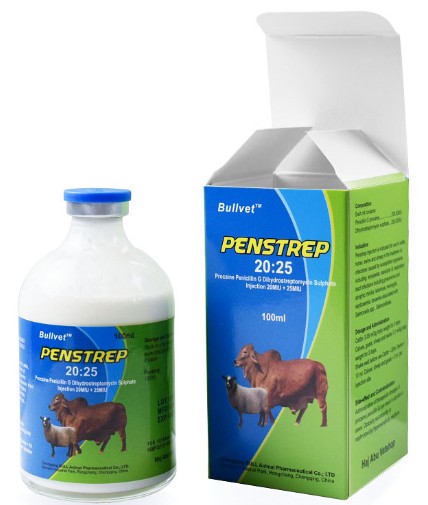
Penicillin G procaine is administered as a deep intramuscular (IM) injection, typically into the buttocks or thigh muscles. It is available as a suspension and should only be administered by trained healthcare professionals due to risks such as allergic reactions and possible intravascular injection.[2][4][7]
Dosage and duration of therapy are determined based on:
- The type and severity of infection
- The age and weight of the patient
- Clinical and bacteriological response
- Recommendations for pediatric and adult patients vary accordingly.[10][7][8]
Patients should complete the entire course of therapy, even if symptoms resolve early, to prevent relapse and resistance development.
Procaine penicillin should not be used in patients with:
- Known penicillin allergy
- Documented hypersensitivity reactions to the beta-lactam class
- History of serious adverse effects from penicillin or procaine.[13][2]
Special precautions include:
- Monitoring for signs of anaphylaxis after administration.
- Avoiding use for viral infections or in cases where bacteria are penicillin-resistant.
- Not suitable for the prophylaxis of bacterial endocarditis; alternatives like oral penicillin V or aqueous penicillin G should be considered in such cases.[7][8]
While procaine penicillin is generally well tolerated, some adverse reactions may occur:[2][4][7]
Common side effects:
- Pain, inflammation, or induration at the injection site
- Mild allergic reactions such as rash
Serious side effects (rare but critical):
- Anaphylactic reactions (immediate and severe allergic response)
- Seizures, anxiety, agitation
- Jarisch–Herxheimer reaction (most common during syphilis treatment)
- Blood clotting disorders and, occasionally, depression or confusion after injection.[13][4][2]
Medical attention should be sought immediately for severe side effects such as breathing difficulty, swelling of face or throat, confusion, or severe depression.
Beyond human medicine, procaine penicillin is extensively used in veterinary practice. It offers broad-spectrum coverage for livestock (cattle, sheep, pigs, horses) suffering from infections susceptible to penicillin. OEM manufacturers in China supply procaine penicillin for animal healthcare, with specialized formulations and labeling for international markets.[14][15][16]
Key veterinary uses:
- Treatment of respiratory, digestive, and soft tissue infections in animals
- Prevention and management of post-surgical or wound-related bacterial complications
- Support for herd health and reduction of economic losses due to infectious diseases
The increasing development of resistance among bacteria highlights the importance of judicious antibiotic use. Procaine penicillin should only be used for proven or strongly suspected bacterial infections caused by penicillin-susceptible organisms. Inappropriate use can increase the risk of resistance and compromise future therapy effectiveness.[2][7]
China remains a hub for high-quality, competitively priced procaine penicillin production. OEM manufacturers offer:
- Regulatory compliant GMP production facilities
- Custom formulation and packaging
- Brand-specific labeling and logistics support
- Fast turnaround and international shipping
As an OEM supplier, supplybenzocaine.co.uk delivers pharmaceutical-grade procaine penicillin and supports brands in registration, marketing, and distribution worldwide for both human and veterinary applications.
Procaine penicillin is a versatile antibiotic formulation valued for its extended release, efficacy against a wide range of susceptible bacterial infections, and safety profile when used appropriately. It remains a crucial tool in the arsenal against syphilis, respiratory infections, and tissue infections in humans and animals. For brands seeking reliable, compliant, and scalable supply, partnering with experienced OEM manufacturers in China, such as supplybenzocaine.co.uk, ensures readiness to meet international quality standards and client needs. For inquiries about procaine penicillin products, formulation customization, or partnership opportunities, contact supplybenzocaine.co.uk to explore tailored pharmaceutical solutions for your business.
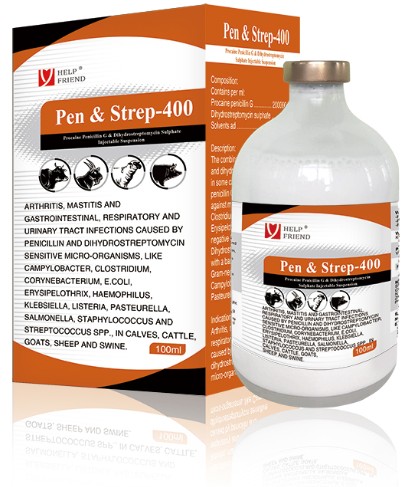
Procaine penicillin treats syphilis, pneumonia, diphtheria, anthrax, skin, soft tissue, and oral infections caused by penicillin-sensitive bacteria.[4][6][8][7]
No. Individuals with penicillin allergies should never receive procaine penicillin due to a high risk of serious allergic reactions, including anaphylaxis.[13][2]
It is administered as a deep intramuscular injection by a trained healthcare professional. Dosage and duration depend on the infection, patient age, and guidance from the healthcare team.[10][8][4][7][2]
Side effects can include injection site pain, rash, allergy, confusion, seizures, and rare reactions such as Jarisch–Herxheimer during syphilis treatment.[4][7][2]
Chinese OEM manufacturers provide GMP-compliant production, fast customization, regulatory support, international logistics, and competitive pricing, making them popular among global pharmaceutical brands, wholesalers, and manufacturers.[15][16][17][14]
[1](https://www.ncbi.nlm.nih.gov/books/NBK551556/)
[2](https://medlineplus.gov/druginfo/meds/a615052.html)
[3](https://my.clevelandclinic.org/health/drugs/18945-penicillin-g-benzathine-penicillin-g-procaine-injection)
[4](https://go.drugbank.com/drugs/DB09320)
[5](https://www.webmd.com/vitamins/ai/ingredientmono-391/procaine)
[6](https://pubmed.ncbi.nlm.nih.gov/29493977/)
[7](https://labeling.pfizer.com/showlabeling.aspx?id=718)
[8](https://reference.medscape.com/drug/penicillin-g-procaine-999572)
[9](https://www.myactivehealth.com/hwcontent/content/multum/d07390a1.html)
[10](https://www.mskcc.org/cancer-care/patient-education/medications/pediatric/penicillin-procaine)
[11](https://www.ncbi.nlm.nih.gov/books/NBK554560/)
[12](https://synapse.patsnap.com/article/what-is-penicillin-g-procaine-used-for)
[13](https://en.wikipedia.org/wiki/Procaine_benzylpenicillin)
[14](https://www.made-in-china.com/manufacturers/penicillin-g-procaine.html)
[15](https://www.made-in-china.com/manufacturers/penicillin.html)
[16](https://www.veyongpharma.com/procaine-penicillin-g/)
[17](https://www.fangtongpharm.com/oemodm-supplier-10-oxytetracycline-injection-for-animal-procaine-penicillin-oily-injection-fangtong.html)
Hot tags: Procaine Penicillin Uses, Procaine Penicillin Applications, Procaine Penicillin Benefits, Procaine Penicillin Indications, Procaine Penicillin Treatment, Procaine Penicillin Dosage, Procaine Penicillin Side Effects, Procaine Penicillin Antibiotic, Procaine Penicillin Injection, Procaine Penicillin for Infections