Content Menu
● Fundamentals of Local Anesthesia
● Historical Context: The Rise and Shift
>> Lidocaine: The Paradigm Shift
● Comparative Pharmacology and Chemistry
>> Chemical and Class Differences
● Onset, Duration, and Clinical Effectiveness
>> How Long Does the Numbness Last?
>> Efficacy in Real-World Procedures
● Medical and Dental Use-Cases
>> Lidocaine
● Side-Effects and Patient Safety
>> Allergic Reactions: Are They Overstated?
>> Transient Neurologic Symptoms (TNS)
>>> Procaine:
>>> Lidocaine:
● Broader Therapeutic Applications
>> Chronic Pain and Integrative Medicine
>> Veterinary and Specialized Use
● Manufacturing, OEM, and Global Industry Perspective
>> China's Role in Procaine and Lidocaine Supply
>> Ensuring Safety, Purity, and Regulatory Compliance
● Advancements and Research Directions
>> 1. What makes Lidocaine preferable for most dental and medical applications?[9][8]
>> 2. Is Procaine still used, and if so, when?[1][11]
>> 3. Are allergic reactions frequent with Procaine or Lidocaine?[3][8]
>> 4. Which anesthetic offers a quicker and more reliable block?[13][9]
>> 5. What quality standards should buyers look for from an OEM supplier?[8]
Pain management through local anesthesia is a foundational milestone in modern medicine and dentistry. Within this field, Procaine and Lidocaine are two of the most widely discussed and historically significant local anesthetics—yet in clinical settings today, Lidocaine clearly enjoys broader and more frequent use. Why does Lidocaine dominate, and in what scenarios might Procaine still have a place? This comprehensive article delves into their properties, mechanisms, efficacy, safety, manufacturing perspectives, and market roles, with a focus on enhancing the understanding of manufacturers, global brands, and healthcare professionals considering OEM partnership in pharmaceutical supply.[8][9]
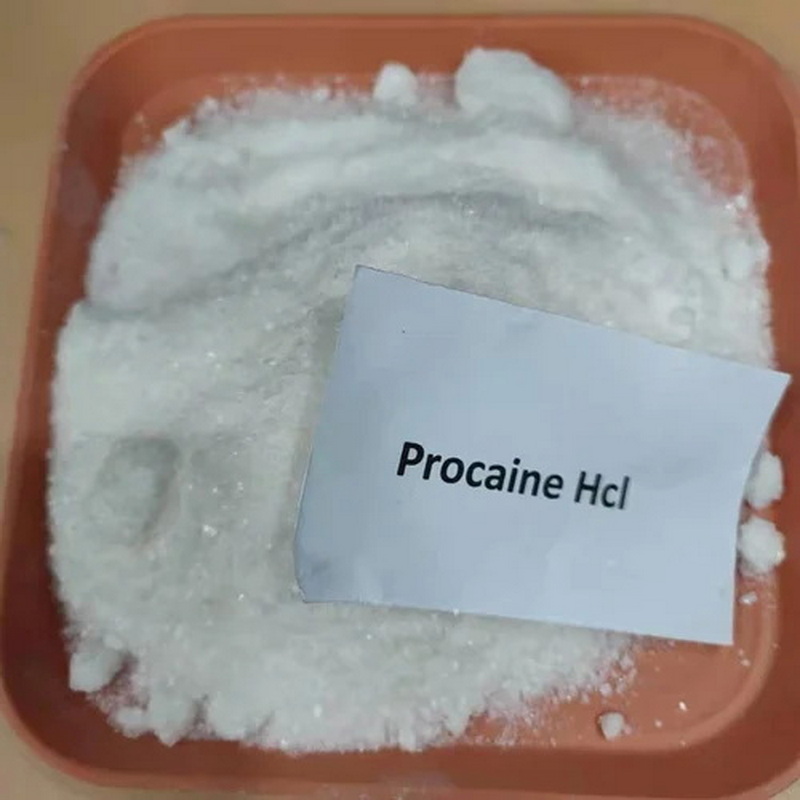
Local anesthetics like Procaine and Lidocaine block nerve conduction in a targeted region, rendering tissues insensitive to pain without affecting consciousness. Both agents act mainly by inhibiting voltage-gated sodium channels in neuronal membranes, shutting down the ability of nerves to propagate pain signals to the brain. This fast, reversible effect is essential for dental surgery, minor skin procedures, emergency room interventions, and outpatient operations.[10][11][12][13]
Synthesized in 1905 as a safer, non-addictive substitute for cocaine, Procaine (also known as Novocaine) became the prototypical injectable dental anesthetic for much of the 20th century. It was favored for its effectiveness, predictable action, and quick clearance, which made it relatively safe for short dental and minor surgical procedures. However, its short duration and the potential for allergic reactions gradually emerged as noteworthy limitations.[11][13][8]
Lidocaine, synthesized in 1943, ushered in the era of modern amino-amide anesthetics. Its advantages—faster onset, longer duration, and substantially fewer allergic reactions—catalyzed its adoption as the new gold standard in dentistry, surgery, and emergency medicine throughout the world. Its use rapidly eclipsed Procaine, particularly in applications where consistent, extended numbness and safety were paramount.[9][13][8]
Procaine belongs to the ester class of anesthetics, whereas Lidocaine is an amide. This core difference informs not just nomenclature but factors such as metabolism, allergic potential, and clinical behavior:
- Procaine (ester): Rapidly hydrolyzed by plasma pseudocholinesterase; may form para-aminobenzoic acid (PABA), a known allergen.[8]
- Lidocaine (amide): Metabolized in the liver by cytochrome P450 enzymes, leading to fewer allergic reactions and a more stable pharmacokinetic profile.[9][8]
Lidocaine is prized for its rapid onset—within 2–5 minutes after injection—allowing doctors and dentists to commence procedures swiftly. Procaine's onset is slower and less predictable, generally taking 5–10 minutes, sometimes longer in less vascular tissues.[13][14][11][9]
- Procaine: Effects usually last 15–60 minutes. For procedures that demand only brief and controllable anesthesia, this can be an advantage.[14]
- Lidocaine: Provides 60–120 minutes of numbness, often enhanced when combined with vasoconstrictors such as epinephrine.[15][13]
Lidocaine offers not just longer duration but also a more “complete” and reliable block, with high patient comfort and lower rates of failed anesthesia. Procaine, while reliable for short procedures, sometimes necessitates additional doses or causes inadequate block, particularly for deep or lengthy operations.[1][13][8]
- Dentistry: Short, routine dental interventions or as a backup when Lidocaine is contraindicated.[11][14]
- Minor Surgeries: Suitable for pediatric cases or settings where rapid recovery is preferred.[3][8]
- Special Applications: Sometimes chosen to reduce the risk of transient neurologic symptoms (TNS) in spinal anesthesia, albeit with potential trade-offs in efficacy.[2][1]
- Dental Anesthesia: Tooth extractions, root canal procedures, fillings, and gum surgery as standard practice.[13][15][9]
- Local Anesthesia in Medicine: For mole removals, suturing, dermatological and minor plastic surgery, Lidocaine's effect profile is optimal.[15][13]
- Anti-Arrhythmic Agent: Intravenous Lidocaine helps control life-threatening cardiac arrhythmias, a use not shared with Procaine.[16]
A persistent myth is that Procaine, due to PABA production, carries a much higher risk of allergies. However, controlled clinical studies demonstrate that the true incidence of type-1 allergies is low for both drugs, and erythema after injection is mostly a function of vasodilation rather than hypersensitivity. Nevertheless, patients with a specific PABA allergy history should avoid Procaine, and Lidocaine remains safest for most.[3][8]
A key study showed that the incidence of TNS was substantially lower with Procaine (6%) versus Lidocaine (31%). This makes Procaine a consideration in situations where minimizing neurologic discomfort post-spinal anesthesia is a priority, even though it may be less effective overall and have longer recovery time.[1][2]
- Allergic reactions (rare, more likely with PABA sensitivity).
- Nausea or inadequate block in some patients.
- Extremely rare systemic toxicity if dosed correctly; can cause tremors, drowsiness, or arrhythmias in overdose.
- Allergic reactions are extremely rare.[16][3][8]
Both anesthetics are explored for non-traditional therapeutic uses, including neural therapy, chronic pain treatment, and even anti-inflammatory effects. Emerging research supports their application in complementary medicine—Procaine especially for its vasodilatory effect may offer unique advantages in some chronic pain or functional disturbance treatments.[3]
Procaine combined with epinephrine appears effective for specific procedures like calf disbudding. Lidocaine, due to its predictability, dominates in all animal and human surgical contexts requiring deeper or longer anesthesia.[6]
Chinese pharmaceutical manufacturers—including established OEM partners—are global leaders in producing active pharmaceutical ingredients (APIs) for both Procaine and Lidocaine. These manufacturers adhere to international pharmacopoeia standards (USP, BP, EP), run sophisticated quality control, and support custom packaging and branding solutions to meet client and regulatory needs. Both drugs can be supplied as injectable solutions, topical creams, patches, or APIs for further formulation.[8]
OEM clients should ensure their suppliers operate under cGMP, maintain robust batch traceability, and can meet the documentation standards required for global distribution. Reputable factories, like supplybenzocaine.co.uk, help bridge the gap between raw material manufacture and finished dosage form delivery, supporting brands and distributors in the pharmaceutical, dental, and medical device sectors.[8]
Contemporary research into local anesthetics focuses on:
- Potential systemic uses for anti-inflammatory and anti-arrhythmic therapy.
- The development of new derivatives to balance efficacy, safety, and rapid recovery.
- Novel formulations for topical and injectable administration improving patient comfort and safety across diverse medical and dental procedures.[5][3]
This ongoing innovation ensures that Procaine and Lidocaine continue to play evolving roles in clinical and industrial contexts.
Lidocaine remains the gold standard for modern local anesthesia due to its rapid action, durable effect, and excellent safety profile. Procaine, however, should not be dismissed: it has a role where very short action or minimized TNS is essential, or where historical familiarity prevails. For global brands, dental chains, and hospital buyers seeking flexible OEM supply, partnering with a top-tier Chinese manufacturer offers cost-effective, compliant, and reliable options for both anesthetics. If you need tailored pharmaceutical supply, high-purity raw materials, or finished injectable/local anesthesia products, consult with a trusted OEM partner to explore the best solutions for your market, your patients, and your future.
Take the next step toward safer, smarter, and more effective medical products: Contact us today for custom consultation and competitive supply solutions.
Lidocaine's fast onset, long duration, and low allergy risk make it ideal for sustained pain control across most medical, dental, and surgical contexts.
Yes, particularly for short interventions, in pediatric or outpatient settings, or when reducing the risk of TNS after spinal anesthesia is prioritized.
Neither drug shows a high rate of true type-1 allergy in controlled studies, although Procaine produces more noticeable skin vasodilation. Precaution is warranted if PABA allergy is present.
Lidocaine blocks sensation faster and more reliably, making procedures easier and more comfortable for both the patient and the clinician.
Look for cGMP compliance, robust quality management, international pharmacopoeia certification (USP/BP/EP), and transparent documentation and traceability.
[1](https://pubmed.ncbi.nlm.nih.gov/10834773/)
[2](https://www.sciencedirect.com/science/article/abs/pii/S1098733900900014)
[3](https://pmc.ncbi.nlm.nih.gov/articles/PMC6049527/)
[4](https://drpress.org/ojs/index.php/HSET/article/view/15331)
[5](https://www.longdom.org/open-access-pdfs/comparative-study-of-10-lidocaine-hydrochloride-solution-with-lidocaineprocaine-emulsion-prior-to-local-anesthetic-injec.pdf)
[6](https://onlinelibrary.wiley.com/doi/10.1111/jvp.13493)
[7](https://www.sciencedirect.com/science/article/pii/S0735675717301535)
[8](https://www.nbinno.com/article/active-pharmaceutical-ingredients-apis/procaine-hydrochloride-lidocaine-comparative-analysis)
[9](https://www.health.harvard.edu/newsletter_article/anesthesia-numbed-by-choices)
[10](https://study.com/academy/lesson/video/lidocaine-structure-mechanism-of-action.html)
[11](https://www.youtube.com/watch?v=3LkHGKnZ0OQ)
[12](https://www.ncbi.nlm.nih.gov/books/NBK610935/)
[13](https://www.coralreefdental.com/blog/how-long-does-novocaine-last)
[14](https://www.verywellhealth.com/novocaine-5220252)
[15](https://www.sciencedirect.com/science/article/pii/S1991790220302555)
[16](https://www.youtube.com/watch?v=H4Nh9bDn2fQ)
Hot tags: Procaine Vs Lidocaine, Best Local Anesthetic, Numbing Cream Comparison, Procaine Benefits, Lidocaine Effectiveness, Local Anesthesia Options, Procaine Side Effects, Lidocaine Usage, Anesthetic Duration Comparison, Numbing Agents Explained