Content Menu
● Pharmaceutical Mechanism and Function
● Medical Indications and Clinical Value
● Pharmacokinetics, Absorption, Distribution, and Excretion
● OEM Supply and Manufacturing Advantages
● Safety, Contraindications, and Adverse Effects
● Expanded Clinical Application and Global Importance
● Frequently Asked Questions (FAQ)
>> 1. Why is procaine added to penicillin G formulations?
>> 2. What infections can Procaine Penicillin G treat?
>> 3. Can Procaine Penicillin G be given intravenously?
>> 4. What OEM requirements are critical for exporting Procaine Penicillin G?
>> 5. What should be monitored during therapy?
Procaine Penicillin G, also called procaine benzylpenicillin, is an antibiotic formulation that integrates the potent antimicrobial activity of penicillin G with the local anesthetic properties of procaine. This combination serves both clinical and manufacturing needs by enabling effective infection control and enhancing patient comfort during administration. For overseas brands, wholesalers, and OEM partners, understanding its full mechanism, applications, and safety profile is key to sourcing and applying this essential injectable medication.[1][2][7]
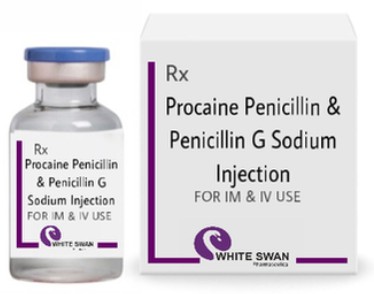
Penicillin G, a member of the beta-lactam antibiotic family, delivers its bactericidal effect by binding to penicillin-binding proteins in bacterial cell walls. This disrupts the transpeptidation process—essential for cross-linking peptidoglycan chains—which in turn compromises cell wall integrity and leads to bacterial lysis. Procaine, as an aminobenzoic acid ester, is added not for antimicrobial action but for its anesthetic qualities and ability to modulate drug absorption. When injected intramuscularly:[2][3][5][8][1]
- Procaine acts locally, numbing the site and minimizing pain for the patient.[7][8]
- Procaine slows absorption, forming a depot in muscle tissue that steadily releases penicillin over 12–24 hours, resulting in lower but prolonged therapeutic blood levels.[1][2]
- This design increases compliance, especially in outpatient, pediatric, and veterinary applications, by reducing dosing frequency.
Procaine Penicillin G is indicated for several infectious diseases:
- Syphilis (Treponema pallidum): Used especially when longer-acting penicillins are not available or feasible.[2][7]
- Streptococcal and pneumococcal infections: Effective for respiratory, skin, and soft tissue infections, especially when oral compliance is uncertain.[1][2]
- Anthrax (Bacillus anthracis): Used as an adjunct agent in wound and systemic anthrax cases.[7][2]
- Other susceptible infections: Diphtheria, cellulitis, mouth infections, and bacterial pneumonia.[10][2][7]
This antibiotic shows activity against a broad panel of Gram-positive bacteria:
- Streptococcus pyogenes
- Streptococcus pneumoniae
- Neisseria meningitidis
- Corynebacterium diphtheriae
- Bacillus anthracis
- Clostridium species
- Actinomyces species
- Listeria monocytogenes
- Treponema pallidum[3][6][2]
Notably, penicillin G is ineffective against organisms producing beta-lactamase or those with altered penicillin-binding proteins.
Upon intramuscular injection:
- Absorption: Procaine penicillin G slowly dissolves at the injection site. A plateau blood level is achieved in about 4 hours and falls gradually over the next 15–20 hours.[6][2][1]
- Distribution: The drug disperses widely. Highest concentrations are found in the kidneys, with notable levels in the liver, skin, and intestines. Spinal fluid concentrations are relatively low but present.[6][2][1]
- Excretion: Most of the drug is excreted renally via tubular secretion. In patients with impaired kidney function, clearance slows, requiring dose adjustments. Approximately 60% is protein-bound.[2][6][1]
Procaine's functions in the combination go beyond local anesthesia:
- Improves patient tolerance by reducing pain
- Allows for slow, steady absorption of penicillin G
- Lowers risk of peak adverse reactions
- Enables outpatient, veterinary, and remote field use by reducing injection frequency and discomfort
While procaine itself does not combat bacteria, its presence redefines how and where penicillin G can be utilized.[8][7]
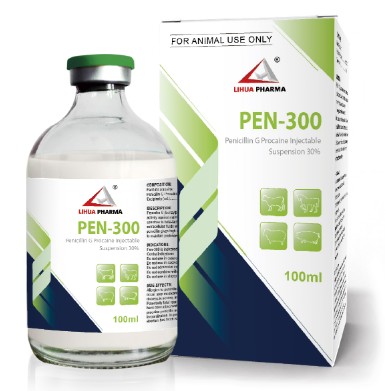
China is a key export center for OEM injectable pharmaceuticals, including Procaine Penicillin G. Factories offer:
- Full regulatory compliance: GMP certification, DMF/CEP documentation for global market entry.[11][10]
- Customizable formulations: Precise ingredient ratios for tailored release profiles.
- Rapid prototyping and flexible batch sizes: Catering to both brand launches and clinical trials.
- Highly competitive pricing with professional export support.[10][11]
For international buyers—brands, wholesalers, and manufacturers—these advantages help balance safety, compliance, and speed-to-market for pharmaceutical products.
Though generally well-tolerated, the combination presents specific risks that buyers and practitioners must note:
- Injection Site Pain: Common, but minimized with procaine; rare with proper technique.[7][2]
- Allergy: Penicillin and procaine allergies can cause severe responses, ranging from rashes to anaphylaxis; absolute contraindication in sensitized individuals.[2][7]
- CNS Effects: High procaine doses or inadvertent intravenous injections may lead to central nervous system symptoms (confusion, seizures).[7][2]
- Jarisch-Herxheimer reaction: Seen in syphilis cases, temporary worsening of symptoms as bacteria die off.[2][7]
- Renal Impairment: Slowed excretion in neonates, infants, and the elderly requires tailored dosing.[1][2]
Use during pregnancy and breastfeeding is considered safe, but always under qualified supervision.
Procaine Penicillin G occupies an essential role in WHO's List of Essential Medicines, highlighting its importance for foundational public health campaigns and emergency stockpiles worldwide. Its slow-release nature makes it ideal for programs where consistent blood levels are required, but repeated injections are problematic.[7]
In developing nations and veterinary contexts, its role expands further:
- Veterinary use: Livestock and horses for wound, pneumonia, and soft tissue infections.[10]
- Rural medicine: Facilitates treatment in remote or resource-limited settings.[2][7]
- Compliance programs: Preferred option when daily or multidose regimens are impractical.
The point of procaine in Procaine Penicillin G is twofold: it provides localized anesthesia for pain reduction and physiologically slows the release of penicillin G, resulting in extended antibacterial action for several serious infections. Its mechanism, safety profile, and logistical advantages have made it indispensable for brands, wholesalers, and manufacturers seeking reliable, patient-friendly injectable antibiotics.[3][6][1][7][2]
With robust pharmaceutical infrastructure and customized OEM services, Chinese suppliers—such as those in the supplybenzocaine.co.uk network—enable rapid, compliant, and cost-effective sourcing of Procaine Penicillin G for clients worldwide. For medical, veterinary, and biotechnological buyers needing effective solutions and regulatory peace of mind, this formulation delivers critical therapeutic benefits and new market opportunities. Contact us to know more!
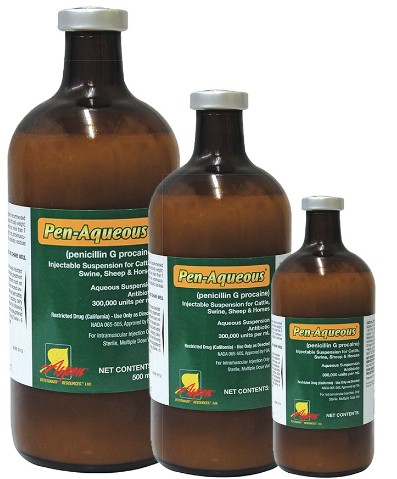
Procaine reduces discomfort at the injection site and extends the antibiotic's release, improving patient compliance and clinical outcomes.[8][7][2]
It is used for syphilis, anthrax, cellulitis, mouth infections, pneumonia, respiratory tract, and skin/soft tissue infections caused by penicillin-susceptible bacteria.[10][7][2]
No. It is strictly for deep intramuscular injection only, as intravenous administration may cause severe adverse reactions, including CNS effects.[2]
Choose GMP-certified suppliers with full regulatory documentation (DMF/CEP), proven export records, flexible batch sizes, and expertise in market-specific formulations.[11][10]
Watch for allergic reactions, symptoms of CNS irritation, appropriate dosing in renal impairment, and signs of Jarisch-Herxheimer reaction in syphilis treatment.[7][2]
[1](https://go.drugbank.com/drugs/DB09320)
[2](https://labeling.pfizer.com/showlabeling.aspx?id=718)
[3](https://pubchem.ncbi.nlm.nih.gov/compound/Penicillin-G-Procaine)
[4](https://synapse.patsnap.com/article/what-is-the-mechanism-of-penicillin-g-procaine)
[5](https://www.ncbi.nlm.nih.gov/books/NBK554560/)
[6](https://www.accessdata.fda.gov/drugsatfda_docs/label/2012/050138s234lbl.pdf)
[7](https://en.wikipedia.org/wiki/Procaine_benzylpenicillin)
[8](https://www.sciencedirect.com/topics/pharmacology-toxicology-and-pharmaceutical-science/procaine-penicillin)
[9](https://www.pediatriconcall.com/drugs/procaine-penicillin/898)
[10](https://www.advacarepharma.com/en/veterinary/fortified-penicillin-g-procaine-penicillin-sodium-for-injection)
[11](https://www.pharmacompass.com/manufacturers-suppliers-exporters/penicillin-g-procaine)
Hot tags: Procaine Penicillin G, Benefits of Procaine, Procaine Uses in Medicine, Procaine Injection Pain Relief, Procaine Antibiotic Combination, Procaine Mechanism of Action, Procaine Side Effects, Procaine Penicillin G Dosage, Procaine in Bacterial Infections, Procaine and Benzylpenicillin