Content Menu
● The Early Development of Local Anesthetics
● Breakthrough: Procaine's Discovery and Commercial Launch
● Expansion and Global Adoption: Novocaine's Rise in Medicine
● Procaine in American Medical Practice
● The Science of Procaine: Mechanism of Action and Benefits
● Historical Timeline: Evolution of Anesthetics and Procaine's Role
● Procaine in Dentistry and Surgery
● Beyond Anesthesia: Procaine's Other Applications
>> Alternative Research and Geroprotective Claims
>> Modern Pharmaceutical Production
● Scientific Perspective: Mechanism, Safety, and Replacement
>> Evolution of Local Anesthetics
● Global Context and Contemporary Relevance
● Frequently Asked Questions (FAQ)
>> 1. When was procaine first approved in the US?
>> 2. Who invented procaine, and what was its main advantage?
>> 3. Why was procaine replaced by other anesthetics?
>> 4. Does procaine still have medical uses today?
>> 5. How do procaine's scientific mechanisms differ from lidocaine?
Procaine, also known by its trade name Novocaine, stands as one of the most revolutionary anesthetic agents of the twentieth century. Its FDA approval in combination therapies in the United States, historical dominance, and role in replacing earlier substances like cocaine marked a paradigm shift across dentistry, surgery, and medicine. This article explores the scientific, regulatory, and clinical story of procaine, with practical insights for medical device and pharmaceutical OEM clients worldwide.[4][8]
The search for effective local anesthetics began in the late nineteenth century, when cocaine was the only known agent. Although cocaine offered reliable anesthesia, its high toxicity and addictive potential spurred urgent research for safer alternatives. By the turn of the century, chemists had developed several new compounds—amylocaine (1903) and orthoform (1901) among them. But none matched cocaine's effectiveness until German chemist Alfred Einhorn synthesized procaine in 1905.[1][2][3][6]
Procaine's unique safety profile, moderate potency, and lower addiction risk made it the preferred solution for medical practitioners. Einhorn named the compound Novocaine, derived from the Latin “novus” (new) and “-caine,” the standard suffix for anesthetics. Soon after its synthesis, German surgeon Heinrich Braun became the first to successfully use procaine in clinical anesthesia, especially when paired with epinephrine to increase its effect.[2][5][1][4]
Braun's innovation involved the mixing of procaine with epinephrine (also known as adrenaline), which significantly prolonged anesthesia duration by restricting blood flow and slowing absorption. This innovation made localized pain relief in surgeries and dental procedures safer, more predictable, and widely accessible, driving global medical adoption.[5]
From 1905 onward, Novocaine rapidly replaced cocaine as the primary local anesthetic across Europe and the United States. By 1916, German pharmaceutical firms were exporting Novocaine kits to the US, even managing to evade wartime blockades. Novocaine's rise coincided with growing awareness of the dangers of cocaine: medical practitioners praised procaine's non-addictive nature, reliability, and lower side effect profile.[3][2][4]
Despite its popularity, procaine was not without flaws. A small minority of patients developed allergic reactions, leading to the eventual quest for even safer anesthetics. Nevertheless, by the 1920s and 1930s, procaine was being used throughout the world for dental, minor surgical, and neurological anesthesia, cementing its reputation as a pivotal medical innovation.[5]
In the United States, procaine's integration into daily medical practice occurred quickly after its European introduction. Dentists especially prized Novocaine for pain-free, efficient procedures, and it became a mainstay in minor operations and nerve block techniques.[4][5]
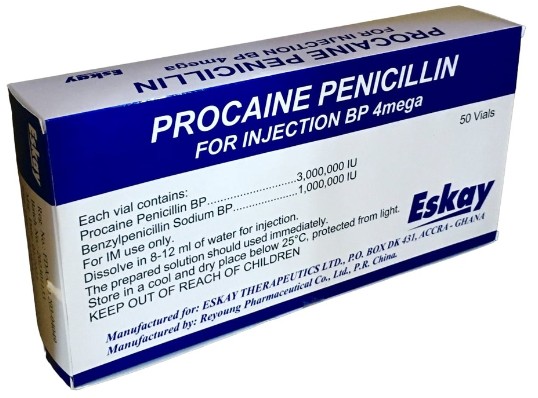
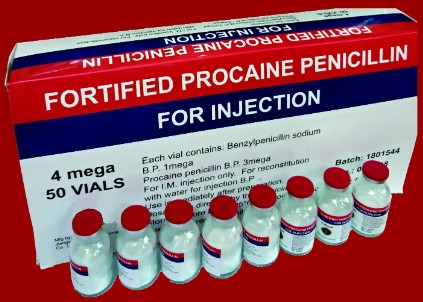
Regulatory recognition for procaine culminated in 1948, when the FDA began formally approving procaine for combination therapies—most notably with penicillin for extended-release antibiotic treatments. Procaine hydrochloride's inclusion in the United States Pharmacopeia indicated a high degree of institutional support, and injectable procaine preparations became central to both surgical and emergency medicine.[10][11]
Procaine is classified as an ester of 4-aminobenzoic acid, structurally designed to block sodium channels on neurons. By preventing the transmission of pain signals, it produces localized numbness at the site of injection. While less potent than cocaine, procaine's much lower toxicity made it vastly safer for patient use, especially for extended periods and broad nerve blocks.[12][3]
- Low toxicity: Minimizes adverse effects compared to earlier agents like cocaine[13][4]
- Non-addictive: No significant dependency risk for patients or practitioners
- Rapid onset: Quickly produces anesthesia for immediate effect
- Versatility: Usable for local, regional, and neuraxial anesthesia, including peripheral nerve blockade and intrathecal operations[8]
- Short duration: Blood flow can dilute and remove procaine from operation sites relatively quickly
- Allergic reactions: Approximately 8% of patients may develop hypersensitivity responses[5]
- Superseded: Newer agents such as lidocaine offer longer duration and broader utility[14][5]
- 1850s–1890s: Cocaine becomes the first widely used local anesthetic before its toxicity is fully understood.[6]
- 1903: Amylocaine synthesized, briefly used for anesthesia.[5]
- 1905: Alfred Einhorn invents procaine, soon dubbed Novocaine, Germany.[2][3]
- 1905–1916: Procaine rapidly adopted for dental and surgical use; Novocaine kits exported to the US.[2]
- 1943: Lidocaine, a safer and longer-lasting alternative, is invented and replaces procaine in most applications.[5]
- 1948: FDA approves procaine in combination with penicillin for antibiotic injections in the US.[10]
- Mid-20th century: Procaine's role shifts as novel amide anesthetics replace esters. Remaining US products are mainly combination therapies and specialty drugs.[11][15]
Dentists played an essential role in advancing the widespread use of procaine. Its relatively fast onset and reliable effect facilitated complex tooth extractions, gum surgery, and other invasive procedures with minimal discomfort. Surgeons favored procaine for limb operations, nerve blocks, and emergency settings where pain control was essential.[8][4]
As medicine evolved, so did anesthetic technology. Lidocaine, introduced in the 1940s, featured greater chemical stability, lower rates of allergic reactions, and a longer duration of action. These advantages led to lidocaine becoming the new standard by the mid-twentieth century, with procaine still in use for legacy procedures or allergy-sensitive patients.[5]
Procaine gained FDA approval when formulated with penicillin, enhancing antibiotic delivery and duration. Penicillin G procaine persists as a vital therapy for infectious diseases that require sustained antibiotic release.[15][10]
Romanian scientist Ana Aslan's work in the 1950s and 1960s resulted in Gerovital H3, a procaine-based product marketed for anti-aging properties. However, the US FDA never approved Gerovital's rejuvenation claims; instead, procaine's additional biological effects remain a topic of ongoing research, particularly in neuroprotection and perfusion enhancement.[16]
Though single-agent procaine drugs are largely discontinued as FDA-approved products, the compound remains vital in research, specialized medicine, and combination therapies. Procaine hydrochloride retains its US Pharmacopeia status, ensuring quality standards for compounding pharmacies and pharmaceutical manufacturers.[11]
Procaine's sodium channel blocking mechanism defines its role in pain management. Its comparative safety, lack of addiction risk, and specific pharmacokinetics make it superior to cocaine and many early anesthetics. Nevertheless, allergic responses prompted the development of amide anesthetics like lidocaine, mepivacaine, bupivacaine, and newer agents, which now dominate clinical anesthesia globally.[3][6][12]
- Esters (like procaine, benzocaine): Rapid onset, moderate safety, but shorter clinical life due to allergic potential.[6]
- Amides (like lidocaine, bupivacaine, ropivacaine): Improved duration, reduced side effect profile, now standard in surgery and dentistry.[6]
The replacement of procaine by lidocaine is a testament to ongoing pharmaceutical innovation, with each generation of anesthetics building on the strengths and limitations of its predecessors.
Procaine's historical journey underscores the value of innovation, regulatory diligence, and clinical feedback in drug development. International OEM pharmaceutical factories, especially those specializing in biotech and medical devices, must appreciate this context to create effective, safe, and compliant products.
As a Chinese OEM specializing in the supply of pharmaceutical actives and medical devices, keeping abreast of these regulatory nuances, historical precedents, and scientific benchmarks ensures your clients receive world-class products and technical guidance.
Procaine's pathway from a German chemical breakthrough to FDA-approved drug encapsulates the arc of medical progress in pain management and anesthesia. Its role in the replacement of toxic, addictive agents and the birth of modern local anesthesia is a legacy shared by dental, surgical, and pharma industries worldwide. Though now overshadowed by lidocaine and other advanced agents, procaine remains foundational for medical science and pharmaceutical manufacturing.
Pharmaceutical and device OEMs can benefit from this historical and scientific perspective when planning new formulations, regulatory submissions, and product launches. Contact our laboratory today to collaborate on innovative drug solutions, private-label manufacturing, or custom technical support for international markets.
Reach out now for premium OEM consulting and manufacturing in biotech, pharmaceuticals, and medical devices!
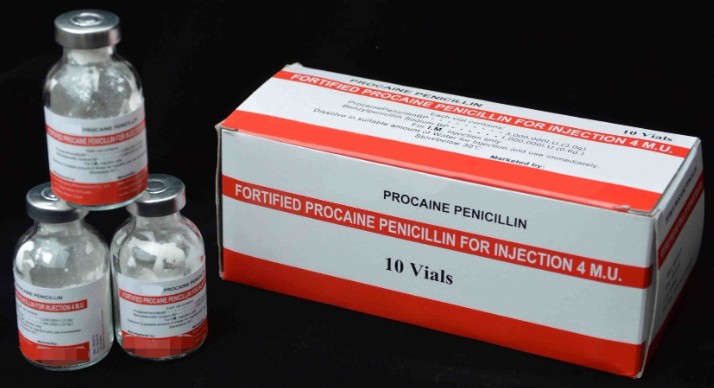
Procaine was FDA approved in 1948 as part of a combination with penicillin for prolonged antibiotic administration.[10]
Procaine was invented by German chemist Alfred Einhorn in 1905. Its main advantage over earlier anesthetics (especially cocaine) was outstanding safety and low addiction risk.[1][3][4][2]
Procaine could trigger allergic reactions in some patients and had a relatively short duration. Lidocaine, synthesized in 1943, became the preferred local anesthetic due to greater potency, stability, and lower allergy risk.[14][8][5]
While single-agent procaine is mostly discontinued in the US, it remains part of combination therapies (as in penicillin G procaine) and specialty applications in research and compounding.[15][11]
Procaine's primary mechanism is sodium channel blockade, producing localized numbness. Lidocaine, as an amide anesthetic, offers longer-lasting anesthesia and a lower rate of allergic reactions, now preferred in most clinical settings.[12][14][6]
[1](https://en.wikipedia.org/wiki/Procaine)
[2](https://www.woodlibrarymuseum.org/museum/novocain/)
[3](https://www.sciencedirect.com/topics/pharmacology-toxicology-and-pharmaceutical-science/procaine)
[4](https://www.britannica.com/science/procaine-hydrochloride)
[5](https://historyofdentistryandmedicine.com/history-of-dental-anesthesia-2/)
[6](https://pubmed.ncbi.nlm.nih.gov/11895133/)
[7](https://www.histansoc.org.uk/resources/timeline)
[8](https://www.ncbi.nlm.nih.gov/books/NBK551556/)
[9](https://www.speareducation.com/2013/08/a-brief-history-of-dental-anesthesia)
[10](https://www.guidetopharmacology.org/GRAC/LigandDisplayForward?ligandId=4291)
[11](https://archive.hshsl.umaryland.edu/bitstreams/3e9f4861-60dd-4d5a-aafd-117ca3d61273/download)
[12](https://go.drugbank.com/drugs/DB00721)
[13](https://www.sciencedirect.com/topics/medicine-and-dentistry/procaine)
[14](https://emedicine.medscape.com/article/873879-overview)
[15](https://www.fda.gov/drugs/bioterrorism-and-drug-preparedness/doxycycline-and-penicillin-g-procaine-inhalational-anthrax-post-exposure)
[16](https://pmc.ncbi.nlm.nih.gov/articles/PMC8349289/)
[17](https://brieflands.com/articles/aapm-17291.html)
Hot tags: Procaine Approval Date, Procaine FDA History, Procaine US Approval, Procaine Medical Use, Procaine Injection History, Procaine Side Effects, Procaine vs Lidocaine, Procaine Anesthetic Properties, Procaine Drug Information, Procaine Penicillin Approval