Content Menu
● Understanding Lidocaine and Its Uses
● The Role of HCl in Lidocaine Formulation
>> 1. Stability and Solubility
● Benefits of Using Lidocaine HCl
>> 2. Reduced Pain on Injection
>> 3. Versatility in Applications
● FAQ
>> 1. What is the difference between lidocaine and lidocaine HCl?
>> 2. Why is HCl added to lidocaine?
>> 3. Can lidocaine HCl cause side effects?
>> 4. How is lidocaine HCl administered?
>> 5. Is there a risk of overdose with lidocaine HCl?
Lidocaine is a widely used local anesthetic that provides pain relief during various medical procedures. One of the key components that enhance its effectiveness is hydrochloric acid (HCl). This article explores the reasons behind the addition of HCl to lidocaine, its benefits, and its implications in medical practice.
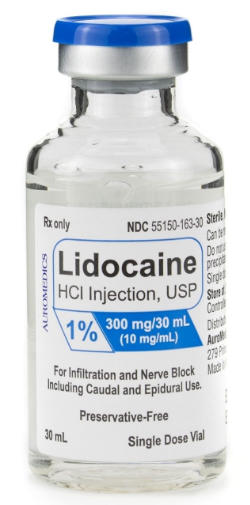
Lidocaine, chemically known as 2-(diethylamino)-N-(2,6-dimethylphenyl)acetamide, is an amide-type local anesthetic. It is commonly used in various medical settings, including dental procedures, minor surgeries, and as a treatment for certain types of arrhythmias. Lidocaine works by blocking sodium channels in the neuronal cell membrane, preventing the initiation and conduction of nerve impulses, which results in a reversible loss of sensation.
The addition of HCl to lidocaine forms lidocaine hydrochloride (lidocaine HCl), which significantly enhances the drug's stability and solubility. Lidocaine itself is a base, and when combined with HCl, it forms a salt that is more soluble in water. This increased solubility is crucial for effective absorption when administered via injection or topical application.
Lidocaine HCl solutions typically have a pH of around 4.5 to 6.0, which is optimal for minimizing irritation at the injection site. The acidic environment helps to maintain the drug in its ionized form, which is essential for its action. The ionized form of lidocaine is more effective in binding to sodium channels, thus enhancing its anesthetic properties.
The presence of HCl allows lidocaine to act more quickly. When injected, the ionized form of lidocaine can more readily penetrate nerve membranes, leading to a faster onset of anesthesia. This is particularly beneficial in emergency situations where rapid pain relief is necessary.
Lidocaine HCl is more effective than plain lidocaine due to its improved solubility and stability. This means that lower doses can achieve the desired anesthetic effect, reducing the risk of side effects associated with higher doses.
The acidic nature of lidocaine HCl can cause discomfort during injection. However, many practitioners buffer the solution with sodium bicarbonate to neutralize the pH, which can significantly reduce the pain associated with the injection.
Lidocaine HCl is used in various formulations, including topical gels, creams, and injectable solutions. This versatility makes it suitable for a wide range of medical procedures, from dental work to minor surgical interventions.
Lidocaine HCl works primarily by inhibiting sodium influx through sodium-specific ion channels in the neuronal cell membrane. This action is particularly effective in rapidly firing neurons, which are often activated during painful stimuli. The receptor site for lidocaine is thought to be located at the cytoplasmic (inner) portion of the sodium channel. When the influx of sodium is interrupted, an action potential cannot arise, and the neuron cannot conduct the signal. This mechanism is crucial for its effectiveness as a local anesthetic.
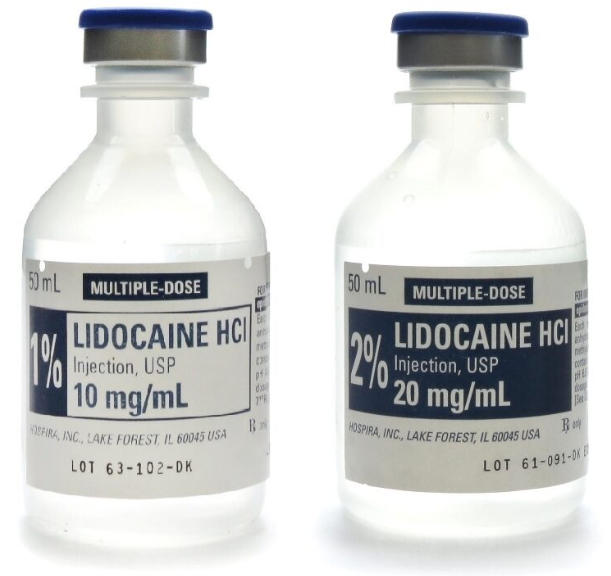
Lidocaine HCl is utilized in various clinical settings, including:
- Dental Procedures: It is commonly used to numb the gums and surrounding tissues during dental work, providing patients with a pain-free experience.
- Minor Surgical Procedures: Lidocaine HCl is often used for local anesthesia in minor surgeries, such as skin biopsies or suturing lacerations.
- Cardiac Arrhythmias: In addition to its anesthetic properties, lidocaine HCl is also used as an antiarrhythmic agent to treat certain types of irregular heartbeats.
While lidocaine HCl is generally considered safe, it is essential to be aware of potential side effects. Common side effects may include:
- Local Reactions: Pain, swelling, or redness at the injection site.
- Systemic Reactions: Dizziness, drowsiness, or allergic reactions in some individuals.
It is crucial for healthcare providers to monitor patients for any adverse reactions, especially when administering higher doses or in patients with underlying health conditions.
In summary, the addition of HCl to lidocaine is essential for enhancing its stability, solubility, and efficacy as a local anesthetic. Understanding the role of lidocaine HCl can help healthcare professionals make informed decisions regarding its use in various medical settings.
If you are looking for high-quality lidocaine HCl for your medical practice or pharmaceutical needs, contact us today for more information about our OEM services. We are committed to providing top-notch products tailored to your specifications.
Lidocaine is the base form, while lidocaine HCl is the hydrochloride salt form, which is more soluble and stable.
HCl is added to improve the solubility and stability of lidocaine, allowing for better absorption and faster onset of action.
Yes, like any medication, lidocaine HCl can cause side effects, including allergic reactions, dizziness, and local irritation.
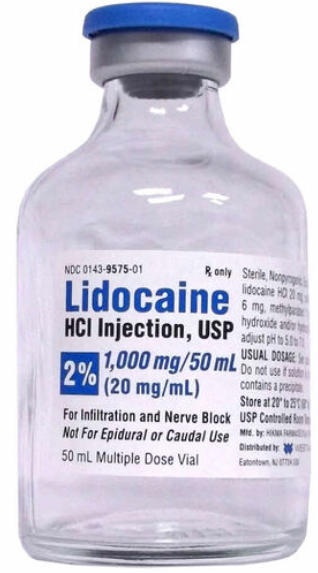
Lidocaine HCl can be administered via injection, topical application, or as part of a transdermal patch.
Yes, overdose can occur, especially if large doses are administered. It is crucial to follow dosing guidelines to minimize risks.
Hot tags: Lidocaine HCL Benefits, Lidocaine Hydrochloride Uses, Why HCL in Lidocaine, Lidocaine HCL Mechanism, Lidocaine HCL Injection, Lidocaine HCL Side Effects, Lidocaine HCL vs Lidocaine, Local Anesthetic HCL, Lidocaine HCL Dosage, Lidocaine HCL Pharmacology