Content Menu
● What Is Procaine Penicillin?
● How Procaine Penicillin Works
● When to Use Procaine Penicillin?
>> Human Medicine Applications
● Indications and Dosage Guidelines
● Safety Considerations and Contraindications
● Procaine Penicillin in the Context of Antibiotic Resistance
● Why Choose OEM Procaine Penicillin from China?
● Frequently Asked Questions (FAQ)
>> 1. What are the most common uses for procaine penicillin?
>> 2. How quickly does procaine penicillin start working?
>> 3. Is procaine penicillin safe for children and pregnant women?
>> 4. What are the most serious risks associated with injection?
>> 5. Is it suitable for animals intended for human consumption?
Procaine penicillin (Penicillin G Procaine) is a classic, long-acting antibiotic designed for the treatment of a range of moderate-to-severe bacterial infections. As a mainstay in both human and veterinary medicine, it allows for sustained drug levels and convenient administration, making it a vital therapy in diverse clinical settings. For buyers and professionals in the medical supply chain—particularly those seeking quality OEM solutions from Chinese manufacturers—understanding the full scope of procaine penicillin's uses, mechanisms, and best practices is essential.[1][2][5]
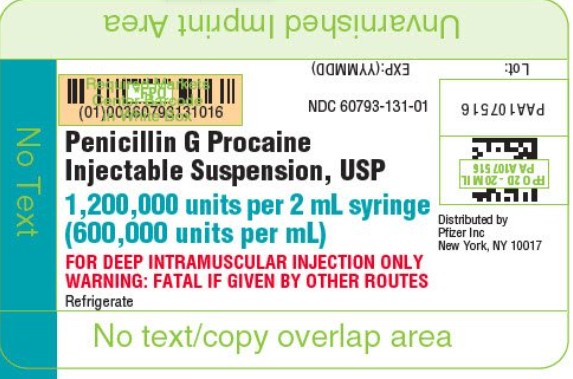
Procaine penicillin is a combination drug, consisting of the antibiotic penicillin G paired with the local anesthetic procaine. This formulation is administered as a viscous suspension via intramuscular injection, where the procaine component acts to minimize injection discomfort and prolong the release of active penicillin into the bloodstream. The pharmacokinetics support slow absorption, maintaining effective antibiotic levels over an extended period.[2][5][1]
Penicillin G, the active component, disrupts the synthesis of bacterial cell walls by inhibiting peptidoglycan cross-linking, leading to osmotic lysis and cell death. Procaine ensures a slower, sustained release of the drug as it dissolves at the site of injection, resulting in a “plateau” of antibiotic levels that is especially effective for moderate to severe, deep-seated, or persistent infections.[3][2]
Penicillin G exerts bactericidal effects mostly on gram-positive cocci, some gram-negative cocci, and various anaerobes, as well as select spirochetes and actinomycetes. However, strains resistant to beta-lactam antibiotics, such as those producing penicillinase (beta-lactamase), are not susceptible. Clinical utility depends on careful organism selection based on culture and susceptibility results whenever possible.[6][2][3]
Procaine penicillin is indicated for the treatment of:
- Community-acquired bacterial pneumonia (particularly pneumococcal pneumonia), where a sustained-release, injectable antibiotic is needed for patients unable to take oral therapy or when compliance is a concern.[5][2]
- Group A streptococcal infections, including severe pharyngitis, tonsillitis, erysipelas, scarlet fever, and certain complicated soft tissue infections.[2]
- Penicillin-susceptible staphylococcal infections, provided the strain is not resistant through penicillinase production.[5]
- Syphilis and yaws (selected stages; especially where daily or reliable oral administration is not feasible).[2]
- Anthrax (cutaneous and inhalational forms; often as part of combination therapy in bioterrorism preparedness).[4]
- Diphtheria, actinomycosis, tetanus, rat-bite fever, and other less common bacterial diseases as per specialist recommendations, either as adjunctive or primary therapy.[3][4][5][2]
Procaine penicillin is indispensable in animal health for treating or preventing:
- Respiratory, soft tissue, and mastitis infections in cattle, swine, horses, and other livestock.[6]
- Systemic infections where sustained antibiotic levels are beneficial for compliance and therapeutic efficacy.
- Observing withdrawal periods before slaughter and during milking is mandatory to ensure that drug residues do not enter the food chain.[6]
This makes it useful for both intensive livestock operations and companion animal care where prolonged therapy via oral dosing is impractical.[6]
Correct dosing and duration of therapy depend on the site and severity of infection, age, and patient weight:
- Pneumonia (Adults): 600,000–1,000,000 units IM once daily; (Children): 300,000 units IM once daily.[5][2]
- Group A Streptococcal Infections (Adults): 600,000–1,000,000 units IM daily for at least 10 days; (Children under 60 lbs): 300,000 units daily.[2]
- Early Syphilis: 600,000 units IM daily for 8–10 days or as directed.[2]
- Late Syphilis: 600,000 units IM daily for 10–15 days.[2]
- Diphtheria Adjunct Therapy: 300,000 to 600,000 units IM daily; for carrier state, 300,000 units IM daily for 10 days.[2]
- Anthrax (Cutaneous/Inhalational): 600,000–1,200,000 units IM per dose, adjust frequency/location per guidelines and severity.[4][2]
- Veterinary Use: Standard dosages are based on body weight and species, with withdrawal timelines strictly enforced as per regulatory guidance.[6]
Always refer to authoritative dosing charts and consult with a medical or veterinary specialist for precise recommendations, especially for vulnerable groups such as infants or immunocompromised patients.[1][2]
Procaine penicillin is only administered intramuscularly, never intravenously. The preferred anatomical sites are the upper outer quadrant of the buttock (dorsogluteal site) or the anterolateral thigh (ventrogluteal site). The suspension should be shaken well to ensure even particle distribution. After drawing up the correct dose with aseptic technique, the needle is inserted deeply into muscle mass, followed by slow, steady injection. Rotation of injection sites is important when multiple doses are required.[8]
Injection into blood vessels or nerves must be scrupulously avoided to prevent complications. Only trained medical personnel should administer this medication in clinical or field settings.
- Not for Viral Infections: Antibiotics such as procaine penicillin do not treat or prevent viral illnesses like influenza or the common cold, and inappropriate use fosters resistance.[1][2]
- Penicillin Allergy: Absolute contraindication for any patient with a previous serious allergic reaction (e.g., anaphylaxis, severe rash) to penicillin or closely related antibiotics.[1]
- Serious Reactions: May uncommonly cause severe allergic responses, including Stevens-Johnson syndrome, DRESS (Drug Reaction with Eosinophilia and Systemic Symptoms), angioedema, or anaphylactic shock. Prompt discontinuation and emergency intervention are mandatory if these occur.[1][2]
- Jarisch-Herxheimer Reaction: Particularly in syphilis and spirochetal infections, acute systemic symptoms (fever, chills, myalgias) may occur after the first injection and are generally self-limited.
- CNS Toxicity: High plasma or cerebrospinal fluid levels, particularly from accidental intravenous injection, can induce neurotoxicity, seizures, hallucinations, or encephalopathy.[1][2]
- Neonates and Renal Impairment: Use with great caution, as immature or compromised kidneys significantly prolong drug elimination and enhance toxicity risk.
- Food Safety in Livestock: Procaine penicillin has strict withdrawal periods—meat typically at least 14 days, milk 48–72 hours after last injection—to ensure consumer safety.[6]
Side effects may be mild and self-limited or, rarely, potentially life-threatening:
Common reactions
- Injection site pain, swelling, redness.
- Mild muscle aches, fever, or mild skin rash.
Less common/severe reactions
- Generalized urticaria (hives), pruritus, and angioedema.
- Very rarely, hematologic changes, nephritis, or hepatotoxicity.
Serious adverse effects
- Signs of severe allergy (breathing trouble, swelling, widespread rash).
- Confusion, agitation, hallucinations, depression, or unresponsiveness, especially within 15-30 minutes post-injection; rare but more likely in high-dose or accidental intravenous administration.[1][2]
- Gastrointestinal effects (nausea, vomiting, rarely colitis).
Immediate medical attention is required for any signs of hypersensitivity, mental status changes, or severe cutaneous reactions.
Responsible antimicrobial stewardship is critical. Procaine penicillin should never be used if bacterial susceptibility is unknown or if likely resistance (such as in penicillinase-producing staphylococci, some gram-negative organisms, or in enterococcal infections) is suspected. Completing prescribed courses, avoiding interruptions, and limiting use to clearly indicated cases helps slow global spread of resistance.[3][2]
Chinese pharmaceutical manufacturers offer state-of-the-art facilities with:
- GMP-certified, large-scale production capacity.
- Customizable packaging, strengths, and labeling to meet international brand specifications.
- Comprehensive regulatory support and full traceability.
- Bulk supply reliability with proven export experience.
By partnering with a professional Chinese factory, overseas buyers and medical supply chains can access quality-assured, cost-effective solutions for human and veterinary antibiotics, contributing to global health while optimizing procurement efficiency.[5][6][2]
Procaine penicillin remains a vital resource for addressing moderate to severe infections in both humans and animals where prolonged drug action and ease of administration are essential. Its proven clinical value, combined with flexible OEM manufacturing options, make it a preferred choice for healthcare institutions, veterinary services, and international pharmaceutical distributors worldwide. For premium OEM production, regulatory support, and international shipping, reach out to our expert team—secure a reliable supply of procaine penicillin and help ensure global access to essential medicines.[4][5][2]
It is used to treat infections like community-acquired pneumonia, streptococcal diseases, syphilis, anthrax, and various veterinary bacterial infections where prolonged antibiotic levels are advantageous.[5][6][2]
Clinical improvement is often seen within a few days, but it is essential to complete the entire prescribed course for full therapeutic effect and to minimize the risk of resistance.[1]
Yes, with special dosing and close medical oversight. Neonates and patients with kidney impairment require extra caution due to slower drug clearance and increased risk of toxicity.[2][1]
Rarely, patients may develop severe allergic reactions, CNS effects, or local abscesses. Seek urgent medical care if symptoms like difficulty breathing, extensive rash, severe weakness, or mental confusion occur.[1][2]
Yes, but compliance with prescribed withdrawal times for meat and milk is mandatory to prevent antibiotic residues from reaching consumers.[6]
[1](https://medlineplus.gov/druginfo/meds/a615052.html)
[2](https://labeling.pfizer.com/showlabeling.aspx?id=718)
[3](https://www.ncbi.nlm.nih.gov/books/NBK554560/)
[4](https://www.fda.gov/drugs/bioterrorism-and-drug-preparedness/questions-and-answers-consumers-penicillin-g-procaine)
[5](https://www.mayoclinic.org/drugs-supplements/penicillin-g-benzathine-and-penicillin-g-procaine-intramuscular-route/description/drg-20452194)
[6](https://www.sciencedirect.com/topics/pharmacology-toxicology-and-pharmaceutical-science/procaine-penicillin)
[7](https://www.myactivehealth.com/hwcontent/content/multum/d07390a1.html)
[8](https://www.hopkinsguides.com/hopkins/view/Johns_Hopkins_ABX_Guide/540424/all/Penicillin)
Hot tags: Procaine Penicillin Usage, Procaine Penicillin Dosage, Procaine Penicillin Side Effects, Procaine Penicillin Indications, Procaine Penicillin Treatment Guidelines, Procaine Penicillin Injection, Procaine Penicillin Antibiotic, Procaine Penicillin for Infections, Procaine Penicillin Administration, Procaine Penicillin Precautions