Content Menu
● Procaine Structure and Properties
● Absorption Pathways of Procaine
>> Parenteral Administration: Rapid Systemic Uptake
>> Intestinal Absorption: Animal Study Insights
>> Tissue Distribution After Absorption
● Mechanism of Action and Pharmacodynamics
>> Additional Receptor Interactions
● Factors Influencing Absorption Dynamics
>> Influence of Vasoconstrictors
>> pH, Protein Binding, and Tissue Perfusion
>> Excretion
● Routes of Administration and Clinical Application
>> Intramuscular and Subcutaneous Injection
>> Intraarticular and Synovial Absorption
● OEM Manufacturing Perspective
>> Formulation Development for Overseas Markets
>> Regulatory Compliance and Market Positioning
● Safety Considerations and Adverse Effects
>> Local Reactions and Drug Interactions
● Advanced Applications and Innovation
● FAQ
>> 1. Where in the human body is procaine absorbed?
>> 2. Can procaine be absorbed through oral dosing?
>> 3. How is absorbed procaine metabolized and eliminated?
>> 4. What factors influence the rate of procaine absorption?
>> 5. What safety concerns are associated with rapid absorption?
Procaine is an ester-type local anesthetic widely employed in medical, dental, and veterinary settings for its ability to numb targeted tissues effectively and quickly. OEM pharmaceutical factories, especially those in China, play an essential role in providing high-quality procaine products to overseas brands and markets. Comprehending where and how procaine is absorbed helps manufacturers, clinicians, and regulatory agencies design products and protocols that are both safe and effective for end users.[3][7]
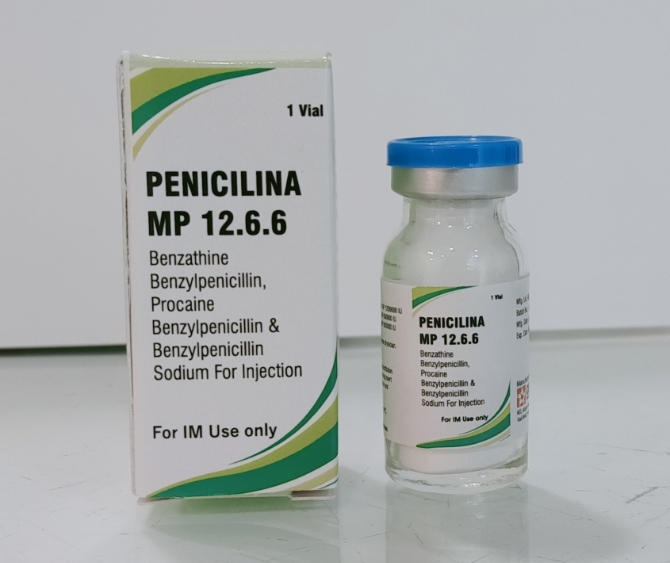
Procaine is synthesized from para-aminobenzoic acid (PABA) and diethylaminoethanol. This chemical framework imparts rapid metabolism, intermediate anesthetic potency, and a short half-life. Its primary mechanism involves blockade of neuronal sodium channels, resulting in inhibition of nerve signaling and effective local anesthesia.[2][3]
Procaine is conventionally administered via intramuscular, subcutaneous, intravenous, or intraarticular injection. These parenteral routes facilitate almost immediate absorption into surrounding capillary beds, allowing procaine to permeate the bloodstream. The pharmacokinetics of procaine after injection reveal that peak plasma levels occur within 1 to 3 hours depending on formulation, with therapeutic concentrations maintained for several hours. Muscle, subcutaneous tissue, synovial fluid, and even joints all serve as initial absorption sites depending on injection location, making precise dosing essential for efficacy.[1][6][11]
Preclinical research, particularly in rodents, shows that the small intestine can absorb procaine when it is administered orally or is present within the digestive tract. However, absorption is not uniform across the intestine—the ileum displays greater procaine uptake than the duodenum or jejunum. This disparity is attributed to local intestinal enzyme activity and mucosal concentration variations. Intestinal absorption is accompanied by significant metabolism, with PABA and acetylated derivatives being observed as key metabolites.[6][12]
Once absorbed into the systemic circulation, procaine is rapidly distributed to highly perfused organs. Within minutes, elevated concentrations appear in the liver, lungs, heart, and brain—sites with substantial vascular supply. Placental transfer also occurs, with passive diffusion enabling procaine to cross to the fetal compartment, albeit largely in unbound, non-ionized form. The tissue affinity and vascularity directly impact the duration of anesthesia and systemic side effects.[11]
Procaine's central analgesic mechanism is the reversible blockade of voltage-gated sodium channels along neuronal membranes. By directly interacting with the cytoplasmic aspect of these channels, procaine inhibits sodium influx, thereby preventing action potential propagation and signal conduction through the nerve fiber. This interruption produces differential neural blockade: smaller, unmyelinated fibers responsible for pain (type C and A-delta) are inhibited first, followed by larger, myelinated sensory and motor fibers.[1][2][3]
Beyond sodium channels, procaine antagonizes specific glutamate, acetylcholine, and serotonin ion channel receptors, though these actions are secondary to its analgesic effect and have limited clinical implications in standard doses.[5][2]
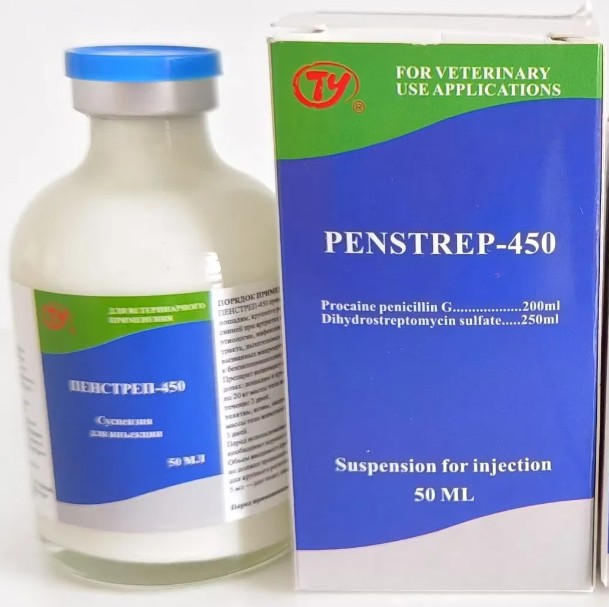
To enhance anesthetic duration, pharmaceutical OEMs often include epinephrine in their procaine products. Epinephrine-induced vasoconstriction at the injection site slows procaine's entry into systemic circulation, thereby prolonging local anesthetic effects and reducing risk of systemic toxicity. When epinephrine is omitted, procaine's vasodilatory properties accelerate absorption and shorten anesthesia duration.[9][10][11][1]
The absorption rate and extent also depend heavily on the local pH, which alters procaine's ionization state and permeability across cell membranes. High tissue perfusion boosts absorption and systemic distribution. Additionally, weak plasma protein binding allows free, active molecules to exert their intended anesthetic effects following administration.[2]
Dosage, concentration, and solution characteristics directly impact both the speed and amount of procaine absorbed. For instance, more concentrated solutions (2%-4%) accelerate initial uptake and onset of anesthesia but may also raise the risk of adverse reactions if not carefully dosed.[6]
After absorption, procaine is rapidly hydrolyzed by plasma esterases into the metabolites PABA and diethylaminoethanol. The metabolic fate of procaine is a key element of both its pharmacologic profile and its safety: plasma esterases efficiently deactivate the drug, limiting systemic exposure and conferring a relatively short biological half-life—7.7 minutes in humans, with slight differences depending on administration route and species.[2][6]
PABA, the chief metabolite, can inhibit the activity of sulfonamide antibiotics and has implications for drug-drug interactions. Diethylaminoethanol, the secondary metabolite, retains mild anesthetic and antispasmodic activity but is less potent and effective than procaine itself.[1][6]
Procaine and its major metabolites are primarily excreted through the kidneys via tubular excretion into urine. Less than 2% of the parent drug is found unchanged in urine, with most being in metabolite form. This rapid clearance supports its safety profile and ensures minimal accumulation on repeat dosing.[11][6]
These commonplace clinical routes allow slow, sustained absorption through muscle and connective tissue capillaries. Clinical anesthesia is typically achieved within several minutes, with peak tissue levels at the site allowing effective pain blockade for procedures ranging from dentistry to minor surgeries.[11]
While rarely employed, intravenous procaine ensures instantaneous systemic absorption and is mainly reserved for treating specific arrhythmias or in veterinary protocols. This route requires exact dosing and monitoring due to heightened risk of systemic toxicity.[6]
Procaine administered directly to joints or synovial spaces is absorbed primarily through the synovial membrane, producing localized anesthesia for orthopedic or equine procedures. The unique features of these tissues influence the drug's elimination half-life, which is generally longer than with muscle or intravenous administration.[6]
Due to extensive first-pass metabolism and limited mucosal permeability, oral and intestinal absorption of procaine in humans is minimal. Clinical use through these routes is virtually nonexistent, though animal models demonstrate some degree of GI uptake—predominantly in the ileum.[12][1]
China-based pharmaceutical OEMs, such as supplybenzocaine.co.uk, leverage procaine's absorption dynamics to produce various formulations for international partners. Introduction of vasoconstrictors, optimization of concentration, and adherence to regulatory guidelines ensure products are tailored to clinical need while maximizing safety and efficacy.
Knowledge of absorption, tissue distribution, and metabolic fate underpin labeling and export documentation. Adhering to strict pharmacological standards is critical for supplying international brands and hospitals with high-quality anesthetic solutions that meet global health requirements.[13][14]
Absorption into systemic circulation, especially rapid or excessive uptake, can prompt unwanted side effects—most notably CNS excitation, cardiovascular changes (hypotension, arrhythmias), and allergic reactions. Careful monitoring and judicious selection of dosage and administration route mitigate these risks in clinical and OEM settings.[15][11]
As procaine is metabolized to PABA, it can antagonize sulfonamide antibiotics—a critical consideration for patients on such medications. Injection site reactions (e.g., pain, swelling) are uncommon but possible if absorption is delayed or tissue injury occurs.[1]
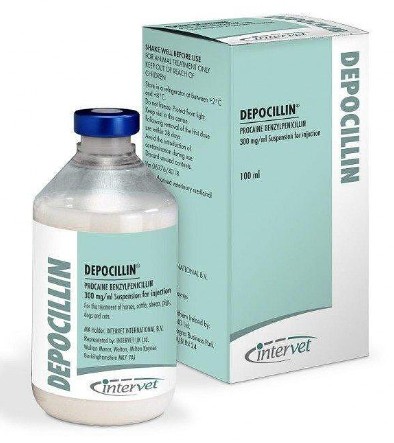
Procaine is frequently paired with penicillin (as procaine penicillin) for extended-release antibiotic therapy, especially in veterinary medicine. The absorption dynamics of both drugs must be considered to avoid unwanted pharmacological interactions and to optimize therapeutic benefit.[6]
Ongoing studies examine procaine's broader implications, such as neuroprotection, anti-inflammatory properties, and potential central nervous system uses beyond conventional local anesthesia. These investigations delve into absorption mechanisms at the cellular and tissue level, aiming to develop innovative pharmaceutical applications.[16]
Procaine is absorbed rapidly and efficiently at parenteral injection sites, with its distribution, metabolism, and clearance governed by local tissue properties, formulation factors, and enzymatic activity. Intestinal absorption, although minimal in humans, highlights the importance of segment-specific uptake demonstrated in animal models. For pharmaceutical OEMs and clinical end-users, understanding procaine absorption informs optimized product design, safety protocols, and regulatory compliance—creating opportunities to supply advanced, tailored anesthetic solutions to global markets. For custom formulation, bulk supply, and partnership, reach out to supplybenzocaine.co.uk and take advantage of leading-edge OEM expertise for your brand's unique needs.[14][13]
Procaine is absorbed at the injection site—whether it be muscle, subcutaneous tissue, or synovial fluid—into the surrounding capillaries before distribution to organs with high blood flow such as the liver, lungs, heart, and brain.[15][11][6]
Oral absorption is weak and clinically insignificant due to rapid metabolism in the gut wall and liver, with less than therapeutic levels reaching systemic circulation.[12][1]
Absorbed procaine undergoes hydrolysis by plasma esterases to yield PABA and diethylaminoethanol, both excreted predominantly via urine. Less than 2% is excreted unchanged.[11][6]
Key factors include tissue vascularity, formulation concentration, the presence of vasoconstrictors (like epinephrine), local pH, and specific route of administration. OEM producers adjust these elements to optimize both safety and efficacy.[10][1]
Excessive or rapid systemic absorption can cause CNS and cardiovascular effects, allergic reactions, and interference with sulfonamide antibiotics. Precision dosing and monitoring are essential in clinical use and in OEM product formulation.[15][1][11]
[1](https://www.ema.europa.eu/en/documents/mrl-report/procaine-summary-report-committee-veterinary-medicinal-products_en.pdf)
[2](https://go.drugbank.com/drugs/DB00721)
[3](https://www.ncbi.nlm.nih.gov/books/NBK551556/)
[4](https://synapse.patsnap.com/article/what-is-the-mechanism-of-procaine-hydrochloride)
[5](https://www.nature.com/articles/1300404)
[6](https://www.sciencedirect.com/topics/pharmacology-toxicology-and-pharmaceutical-science/procaine-penicillin)
[7](https://en.wikipedia.org/wiki/Procaine)
[8](https://pubchem.ncbi.nlm.nih.gov/compound/Procaine)
[9](https://emedicine.medscape.com/article/873879-overview)
[10](https://www.sciencedirect.com/science/article/abs/pii/S0099542808606280)
[11](https://www.rxmed.com/b.main/b2.pharmaceutical/b2.1.monographs/cps-_monographs/CPS-_(General_Monographs-_N)/NOVOCAIN.html)
[12](https://pubmed.ncbi.nlm.nih.gov/2234105/)
[13](https://www.supplybenzocaine.co.uk/Article/list-r15.html)
[14](https://www.supplybenzocaine.co.uk/where-to-buy-cheap-benzocaine-powder-best-options-online-and-offline.html)
[15](https://www.e-lactancia.org/media/papers/ProcaineNovocain-Ds-Hospira2007.pdf)
[16](https://pmc.ncbi.nlm.nih.gov/articles/PMC8349289/)
Hot tags: Procaine Absorption Mechanism, Procaine Pharmacokinetics, Procaine Injection Sites, Procaine Bioavailability, Procaine Local Anesthetic, Procaine Metabolism Pathway, Procaine Systemic Effects, Procaine Absorption Rate, Procaine Hydrolysis Process, Procaine Clinical Applications